Ethell I M, Hagihara K, Miura Y, Irie F, Yamaguchi Y
The Burnham Institute, La Jolla, California 92037, USA.
J Cell Biol. 2000 Oct 2;151(1):53-68. doi: 10.1083/jcb.151.1.53.
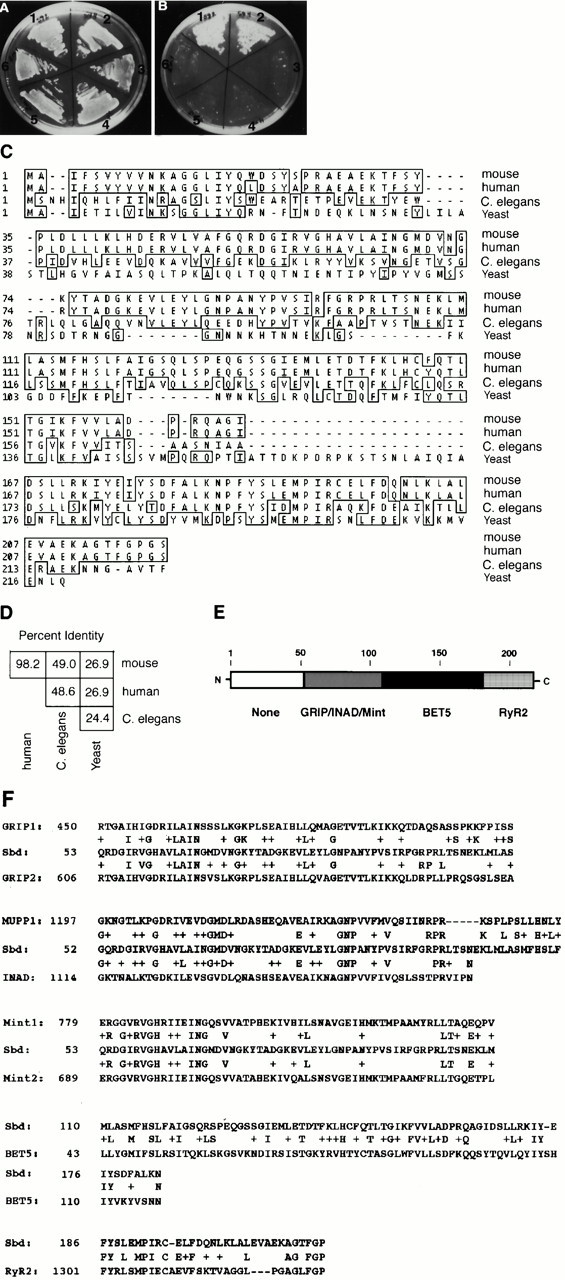
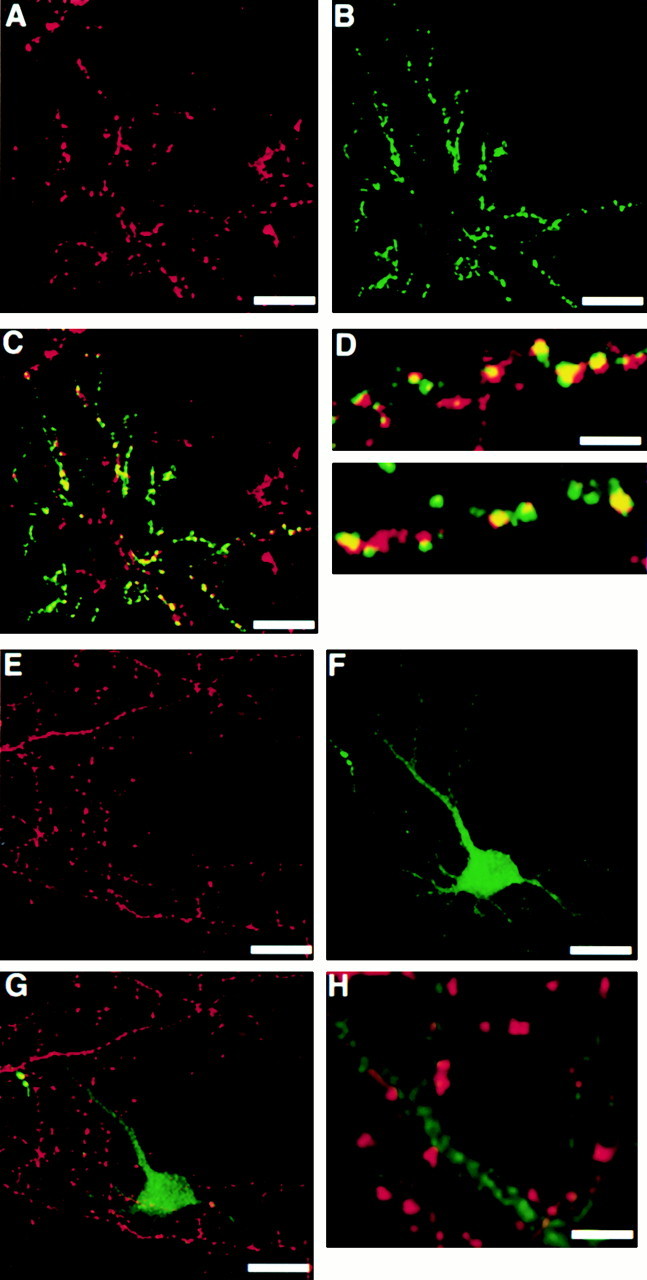
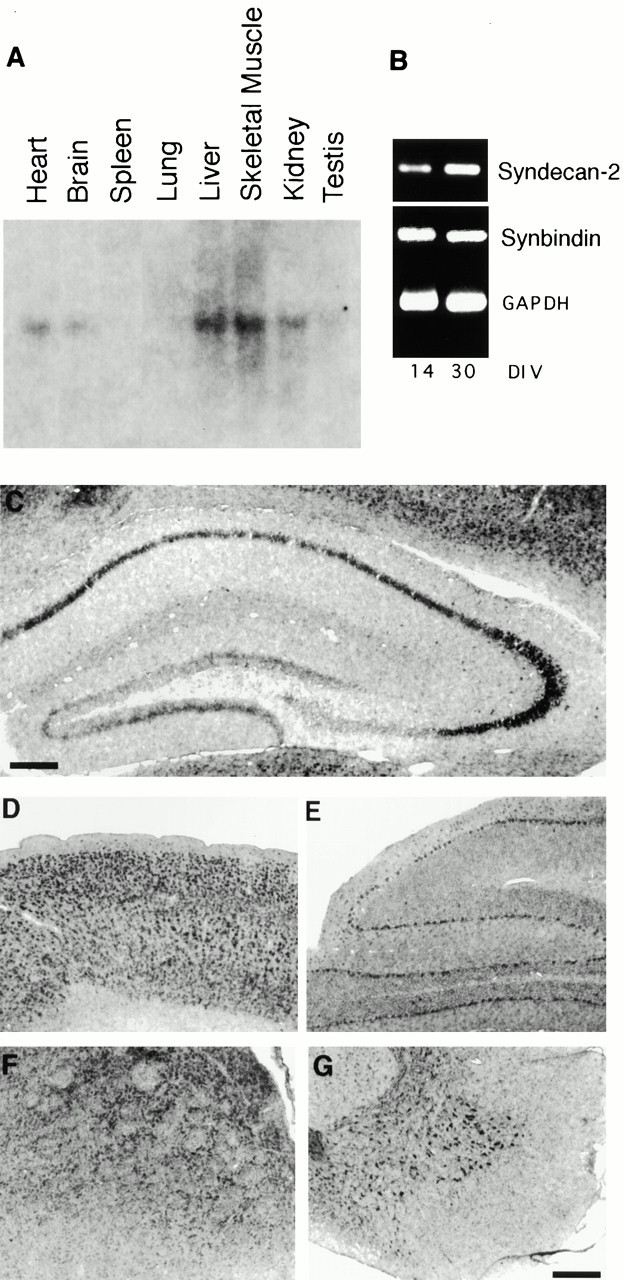
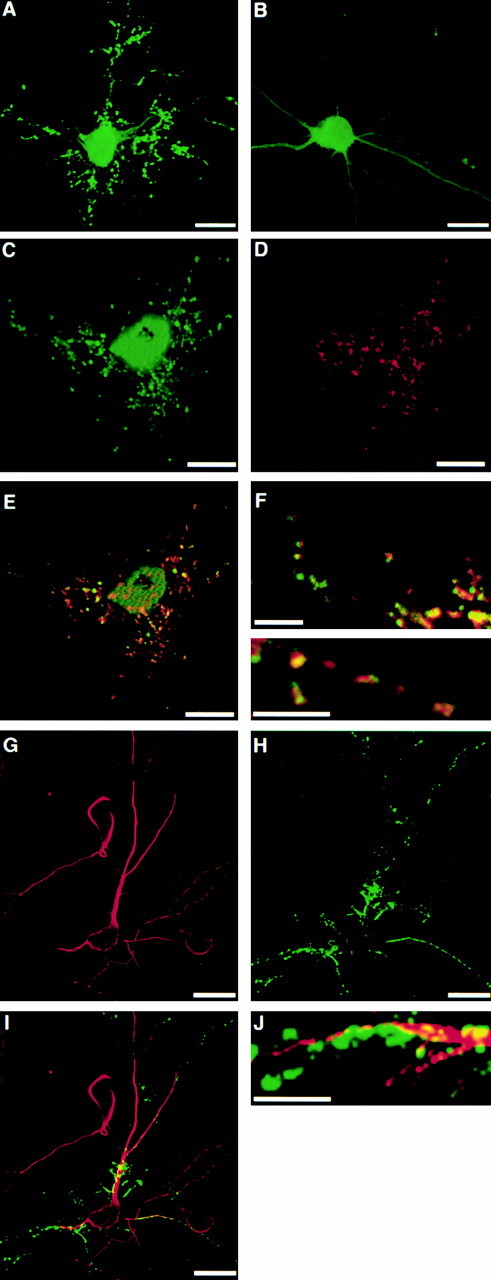
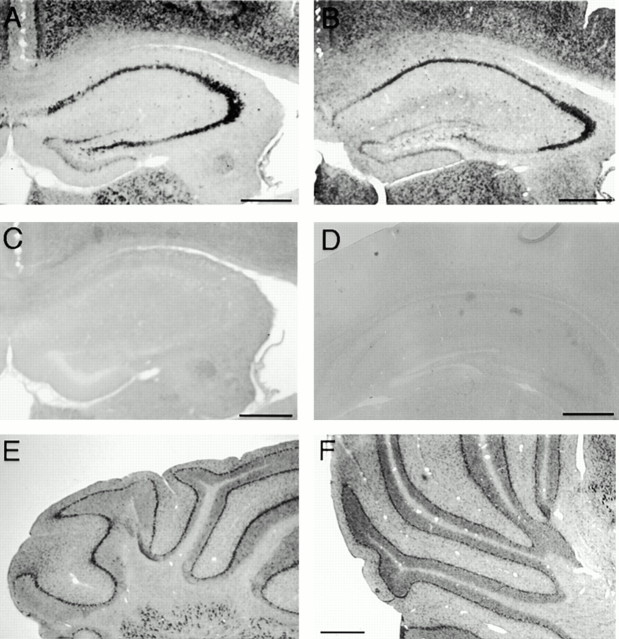
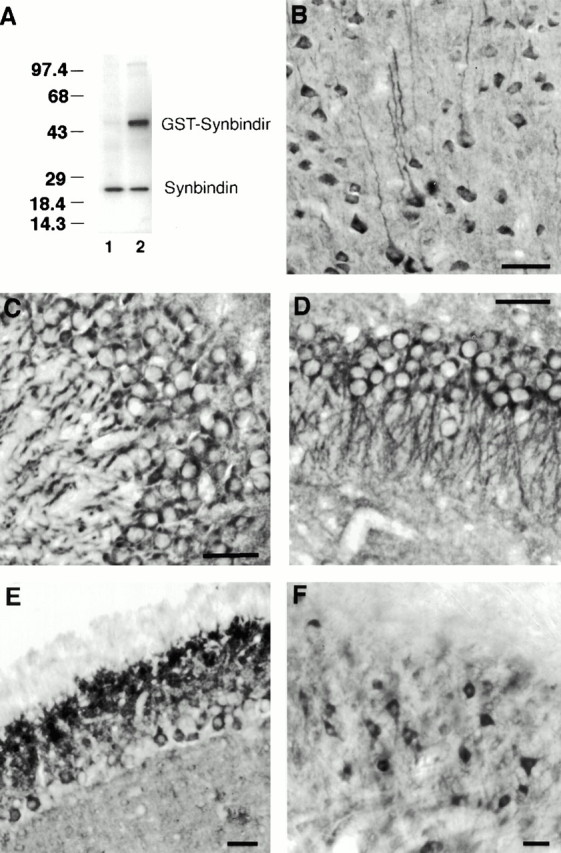
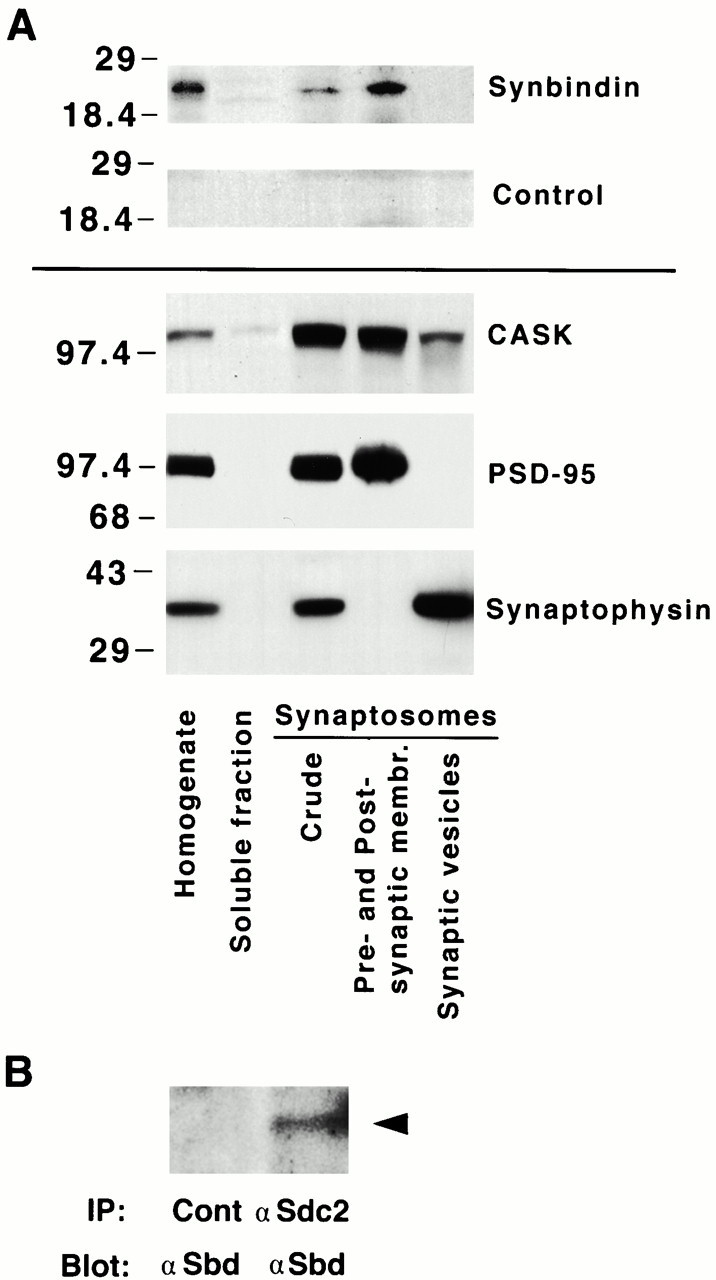
Dendritic spines are small protrusions on the surface of dendrites that receive the vast majority of excitatory synapses. We previously showed that the cell-surface heparan sulfate proteoglycan syndecan-2 induces spine formation upon transfection into hippocampal neurons. This effect requires the COOH-terminal EFYA sequence of syndecan-2, suggesting that cytoplasmic molecules interacting with this sequence play a critical role in spine morphogenesis. Here, we report a novel protein that binds to the EFYA motif of syndecan-2. This protein, named synbindin, is expressed by neurons in a pattern similar to that of syndecan-2, and colocalizes with syndecan-2 in the spines of cultured hippocampal neurons. In transfected hippocampal neurons, synbindin undergoes syndecan-2-dependent clustering. Synbindin is structurally related to yeast proteins known to be involved in vesicle transport. Immunoelectron microscopy localized synbindin on postsynaptic membranes and intracellular vesicles within dendrites, suggesting a role in postsynaptic membrane trafficking. Synbindin coimmunoprecipitates with syndecan-2 from synaptic membrane fractions. Our results show that synbindin is a physiological syndecan-2 ligand on dendritic spines. We suggest that syndecan-2 induces spine formation by recruiting intracellular vesicles toward postsynaptic sites through the interaction with synbindin.
树突棘是树突表面的小突起,绝大多数兴奋性突触与之相连。我们之前表明,细胞表面硫酸乙酰肝素蛋白聚糖syndecan-2转染到海马神经元后可诱导树突棘形成。这种效应需要syndecan-2的COOH末端EFYA序列,这表明与该序列相互作用的细胞质分子在树突棘形态发生中起关键作用。在此,我们报道了一种与syndecan-2的EFYA基序结合的新型蛋白质。这种蛋白质名为synbindin,由神经元以与syndecan-2相似的模式表达,并在培养的海马神经元的树突棘中与syndecan-2共定位。在转染的海马神经元中,synbindin经历syndecan-2依赖性聚集。Synbindin在结构上与已知参与囊泡运输的酵母蛋白相关。免疫电子显微镜将synbindin定位在树突内的突触后膜和细胞内囊泡上,表明其在突触后膜运输中起作用。Synbindin与syndecan-2从突触膜组分中共免疫沉淀。我们的结果表明,synbindin是树突棘上syndecan-2的生理性配体。我们认为,syndecan-2通过与synbindin相互作用将细胞内囊泡募集到突触后位点来诱导树突棘形成。