Lorenzen N, Cupit P M, Einer-Jensen K, Lorenzen E, Ahrens P, Secombes C J, Cunningham C
Danish Veterinary Laboratory, Hangøvej 2, DK-8200 Aarhus N, Denmark.
Nat Biotechnol. 2000 Nov;18(11):1177-80. doi: 10.1038/81169.
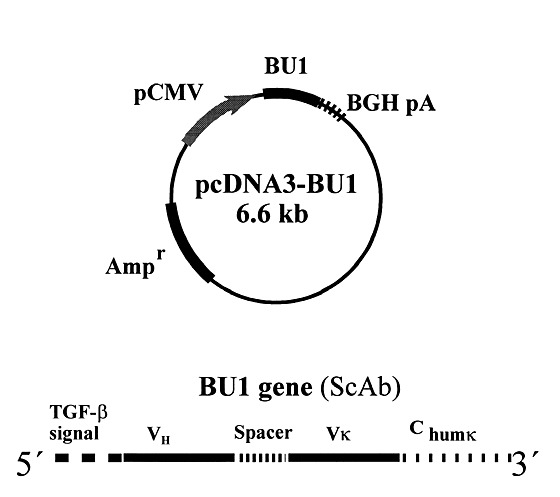
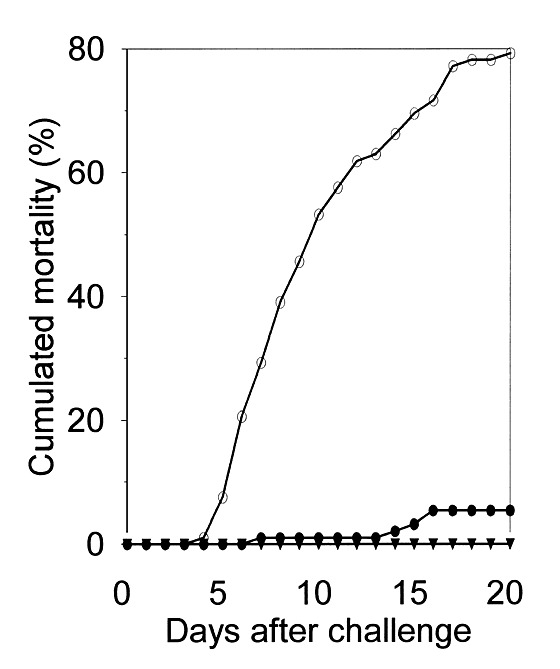
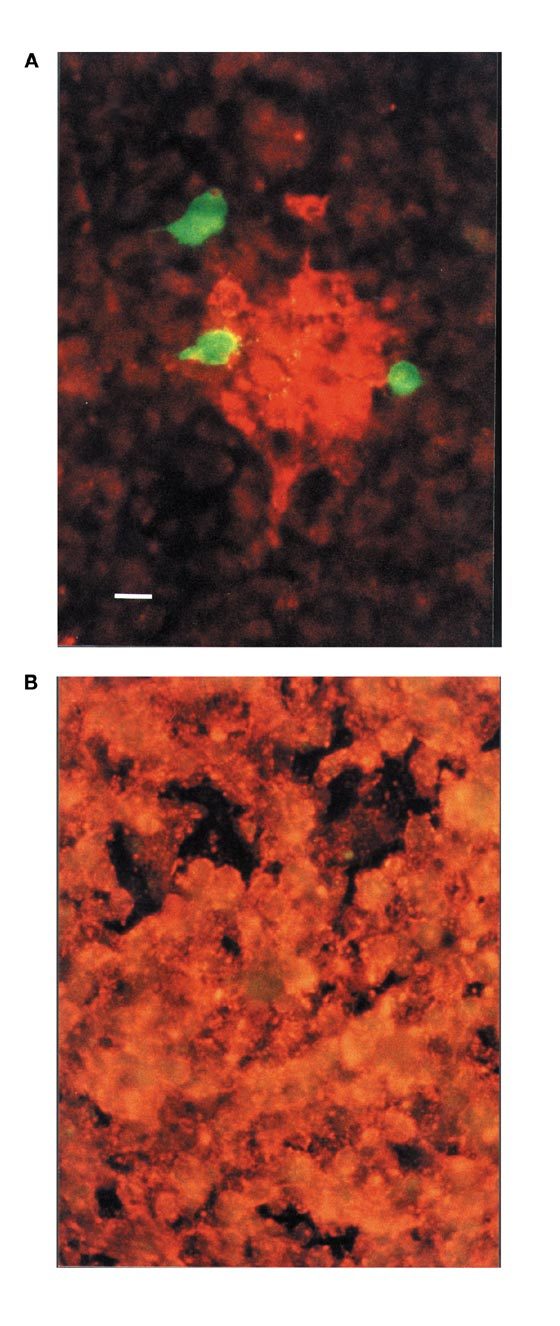
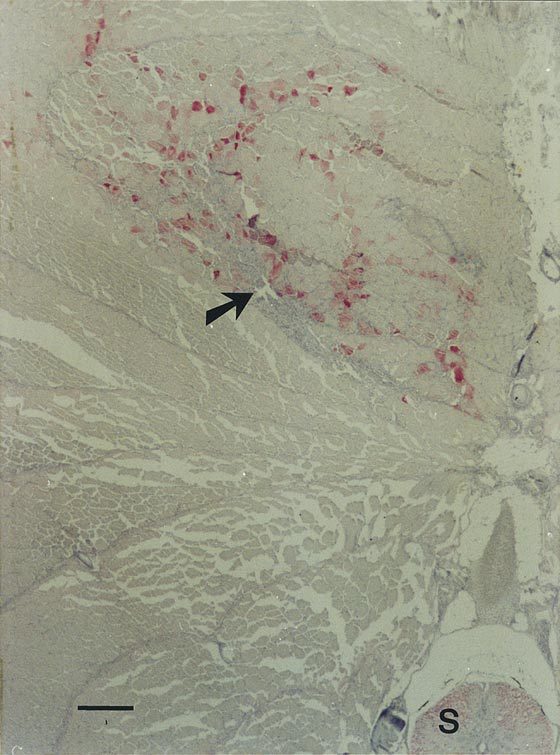
Antibodies are a crucial part of the body's specific defense against infectious diseases and have considerable potential as therapeutic and prophylactic agents in humans and animals. The development of recombinant single-chain antibodies allows a genetic application strategy for prevention of infectious diseases. To test this in a fish model, a gene construct encoding a neutralizing single-chain antibody to the fish-pathogenic rhabdovirus VHSV (viral hemorrhagic septicemia virus) was administered to rainbow trout by intramuscular injection of plasmid DNA. Circulating recombinant antibodies could later be detected in the fish, and protective immunity to the viral disease was established.
抗体是机体针对传染病的特异性防御的关键部分,在人和动物中作为治疗和预防药物具有巨大潜力。重组单链抗体的开发为传染病预防提供了一种基因应用策略。为了在鱼类模型中对此进行测试,通过肌肉注射质粒DNA将编码针对鱼类致病性弹状病毒VHSV(病毒性出血性败血症病毒)的中和单链抗体的基因构建体给予虹鳟鱼。随后可在鱼体内检测到循环重组抗体,并建立了对该病毒性疾病的保护性免疫。