Liehr H, Grün M, Thiel H, Brunswig D, Rasenack U
Gut. 1975 Jun;16(6):429-36. doi: 10.1136/gut.16.6.429.
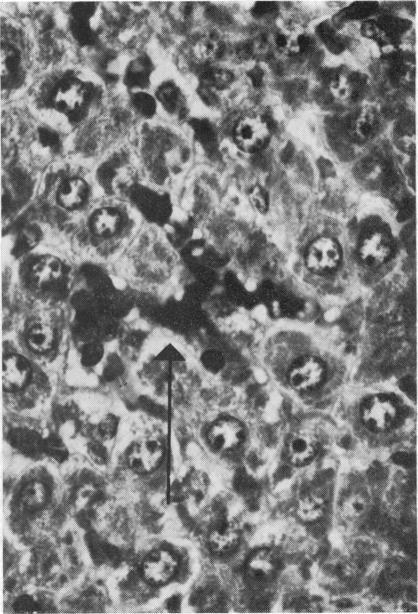
The effects of intravenously administered endotoxin on the hepatic and systemic circulation as well as on the coagulation system were evaluated in normal rats (n = 26), in rats with experimental portal hypertension (n = 15), and in rats with portacaval anastomosis (n = 22). Endotoxin (1-5 mg/kg) in the normal rat leads to a prompt increase of transaminase activity and to a hyperdynamic circulation with a consequent increase in the total hepatic blood flow. In a later phase (6 h postoperatively) the hepatic artery dilated with a consequent hepatic arterial hyperperfusion. The coagulation system was affected with signs of consumption coagulopathy. In the rats with portal hypertension and portacaval collaterals as well as in those with portacaval anastomosis, the endotoxin injection resulted in acute liver necrosis within 12 to 15 hours. The hepatic artery became overdilated with a cardiac output fraction of 25% (normal 5-5%). Blood extravasates and thrombi, rich in fibrin, were detected in the liver. It is suggested that this exaggeration of the endotoxin effect was due to an impaired clearance function of the reticuloendothelial system, probably as consequence of portacaval collateral circulation. It is concluded that endotoxins (1) damage the liver even in a normal organism; (2) are potent to induce acute liver necrosis, if the reticuloendothelial system is altered; (3) have to be taken into consideration as contribution to the pathogenesis of acute as well as chronic liver diseases.
在正常大鼠(n = 26)、实验性门静脉高压大鼠(n = 15)和门腔静脉吻合大鼠(n = 22)中评估静脉注射内毒素对肝脏和全身循环以及凝血系统的影响。正常大鼠注射内毒素(1 - 5 mg/kg)会导致转氨酶活性迅速升高以及高动力循环,进而使肝脏总血流量增加。在后期阶段(术后6小时),肝动脉扩张,随之出现肝动脉血流灌注过多。凝血系统受到影响,出现消耗性凝血病的迹象。在患有门静脉高压和门腔静脉侧支循环的大鼠以及门腔静脉吻合的大鼠中,注射内毒素会在12至15小时内导致急性肝坏死。肝动脉过度扩张,心输出量分数达25%(正常为5 - 5%)。在肝脏中检测到富含纤维蛋白的血液外渗和血栓。提示内毒素作用的这种放大是由于网状内皮系统清除功能受损,可能是门腔静脉侧支循环的结果。结论是内毒素(1)即使在正常机体中也会损害肝脏;(2)如果网状内皮系统发生改变,内毒素有诱发急性肝坏死的作用;(3)在急性和慢性肝病的发病机制中,内毒素都必须被视为一个影响因素。