Nakamura K, Kitani A, Strober W
Mucosal Immunity Section, Laboratory of Clinical Investigation, National Institute of Allergy and Infectious Diseases, National Institutes of Health, Bethesda, MD 20892, USA.
J Exp Med. 2001 Sep 3;194(5):629-44. doi: 10.1084/jem.194.5.629.
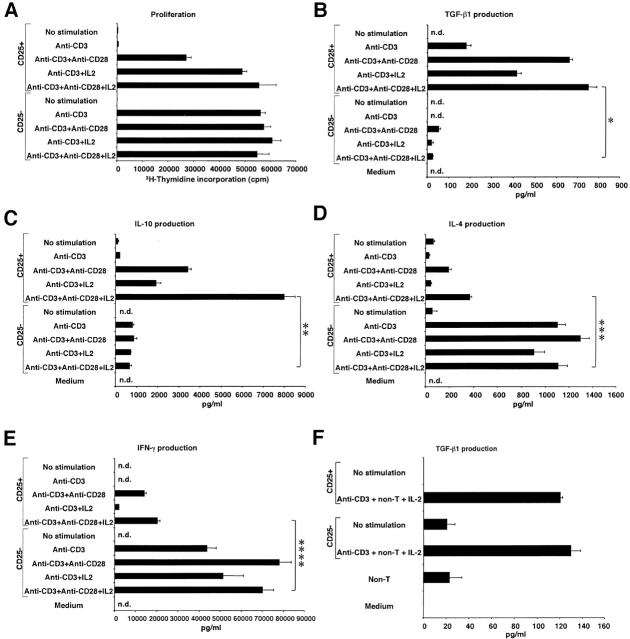
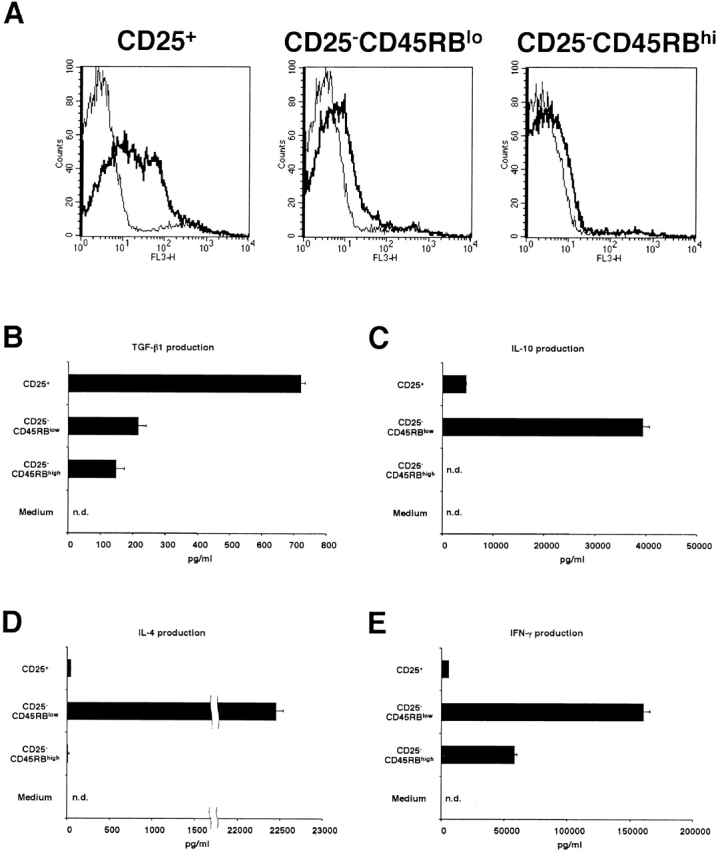
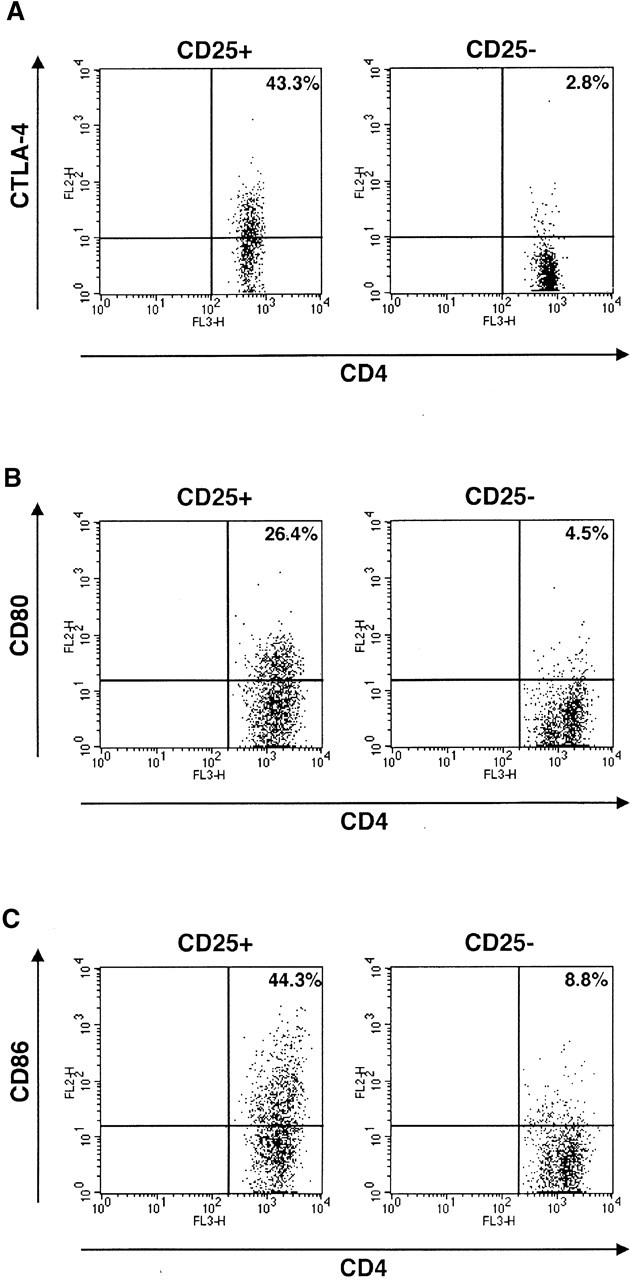
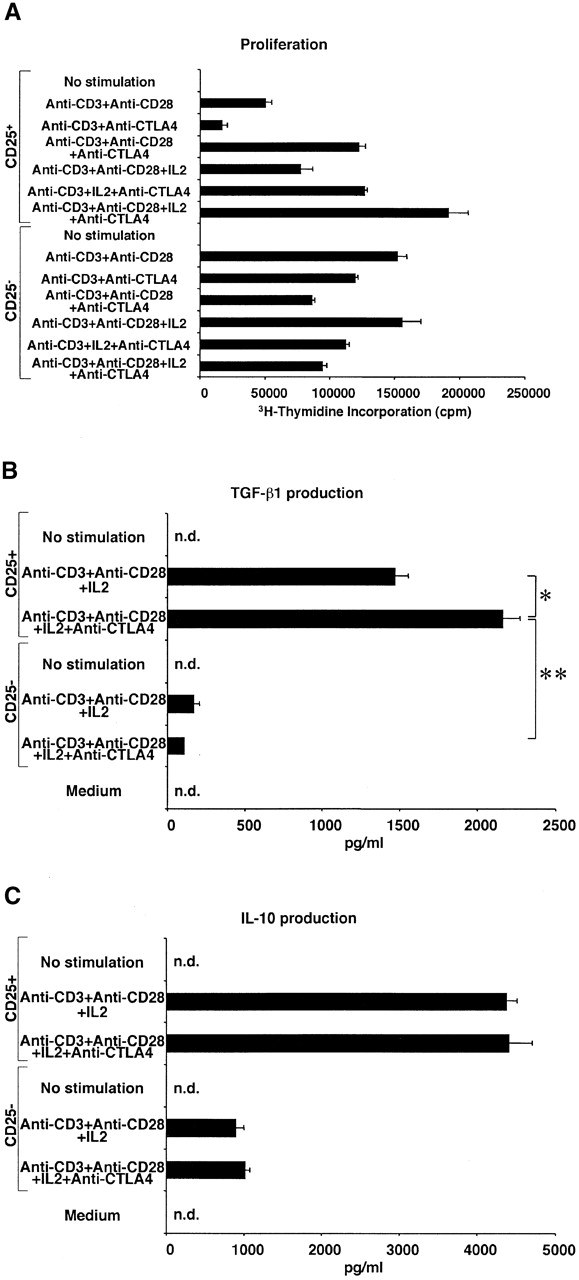
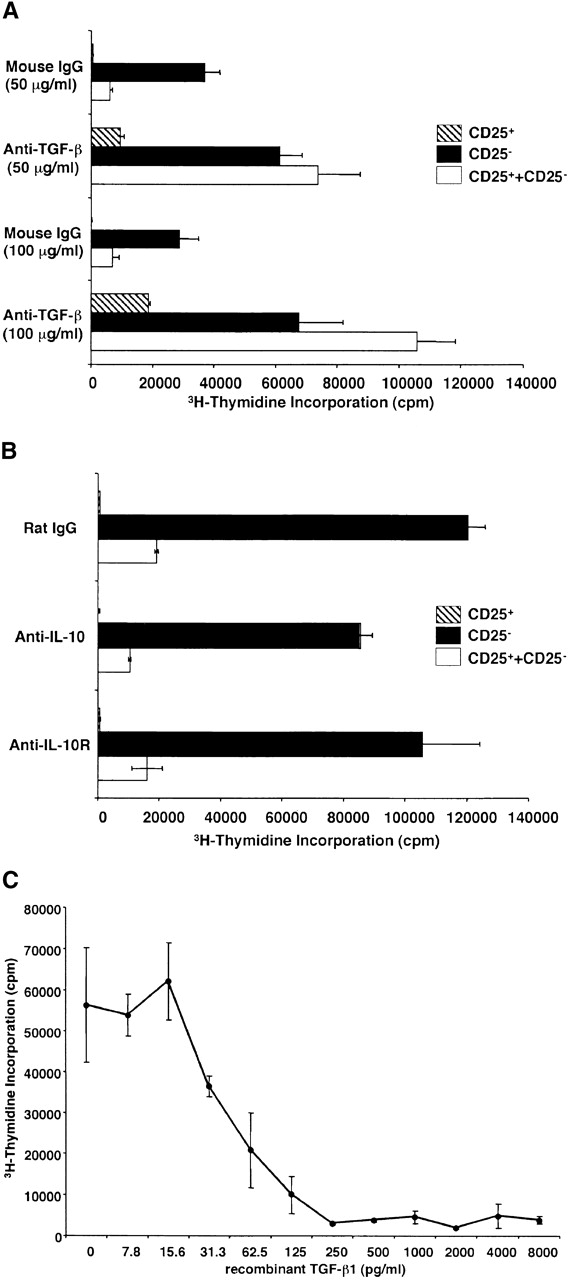
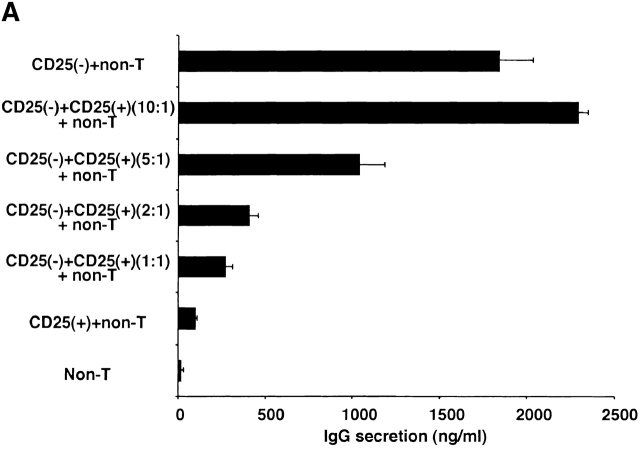
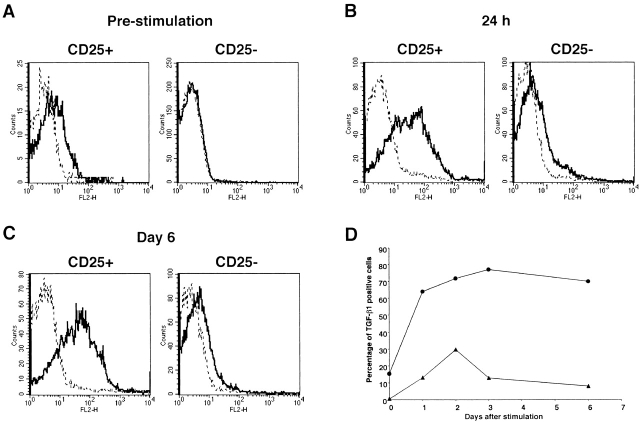
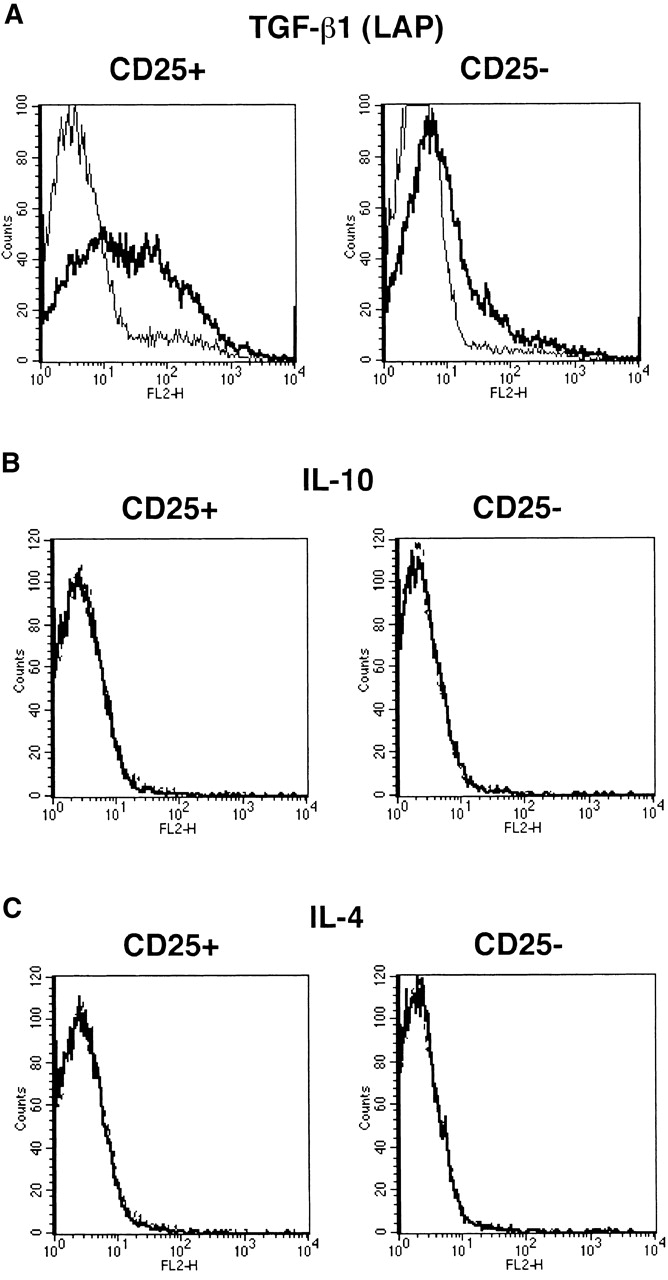
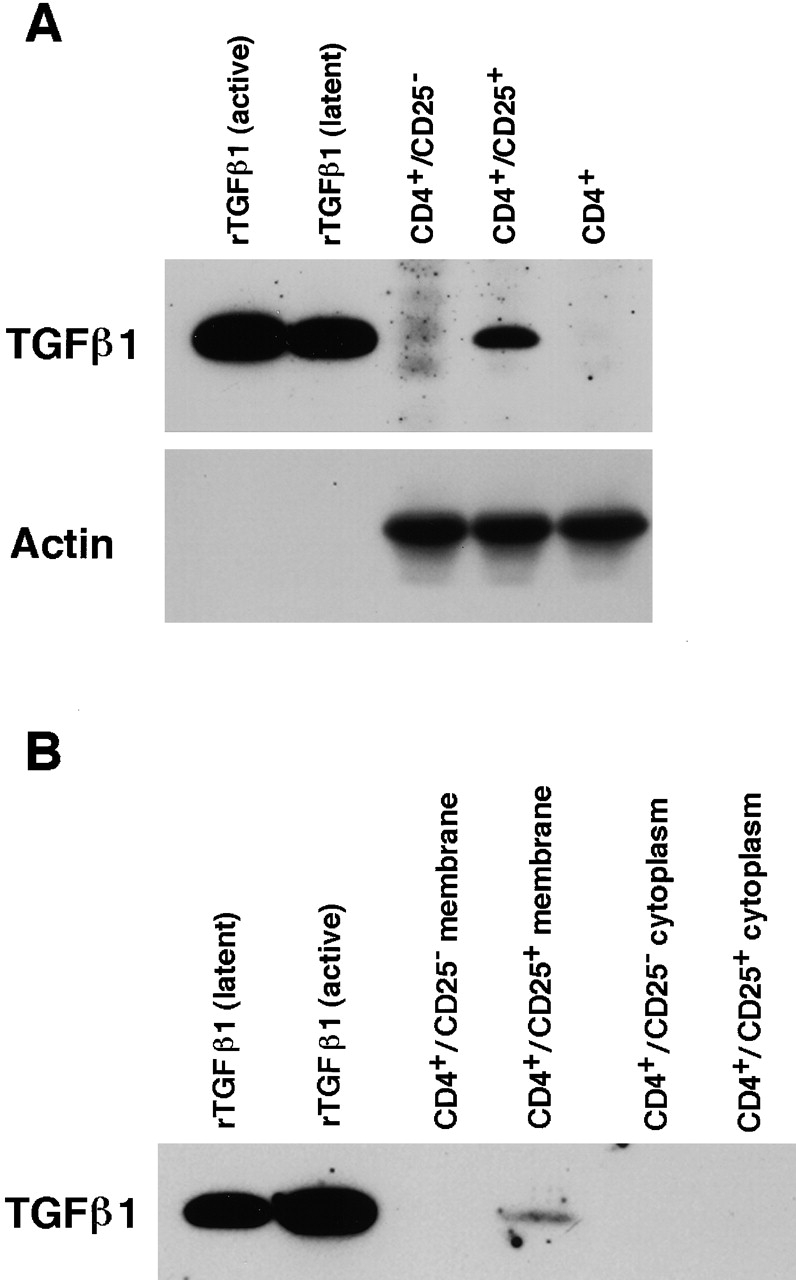
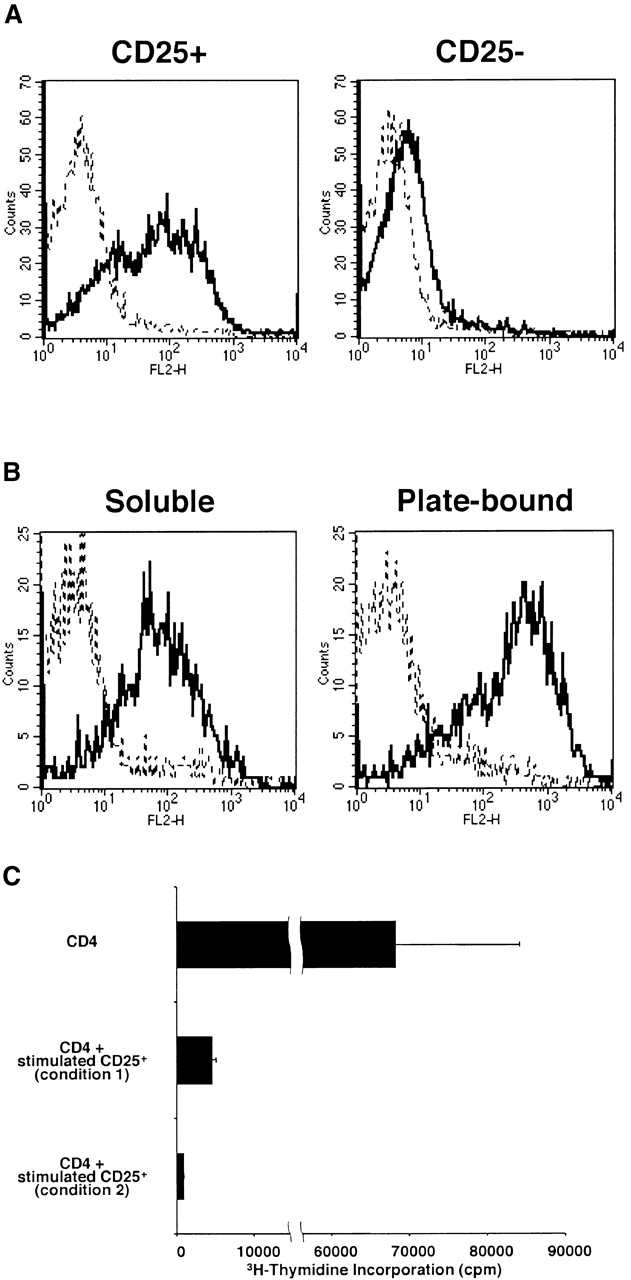
CD4(+)CD25(+) T cells have been identified as a population of immunoregulatory T cells, which mediate suppression of CD4(+)CD25(-) T cells by cell-cell contact and not secretion of suppressor cytokines. In this study, we demonstrated that CD4(+)CD25(+) T cells do produce high levels of transforming growth factor (TGF)-beta1 and interleukin (IL)-10 compared with CD4(+)CD25(-) T cells when stimulated by plate-bound anti-CD3 and soluble anti-CD28 and/or IL-2, and secretion of TGF-beta1 (but not other cytokines), is further enhanced by costimulation via cytotoxic T lymphocyte-associated antigen (CTLA)-4. As in prior studies, we found that CD4(+)CD25(+) T cells suppress proliferation of CD4(+)CD25(-) T cells; however, we observed here that such suppression is abolished by the presence of anti-TGF-beta. In addition, we found that CD4(+)CD25(+) T cells suppress B cell immunoglobulin production and that anti-TGF-beta again abolishes such suppression. Finally, we found that stimulated CD4(+)CD25(+) T cells but not CD4(+)CD25(-) T cells express high and persistent levels of TGF-beta1 on the cell surface. This, plus the fact that we could find no evidence that a soluble factor mediates suppression, strongly suggests that CD4(+)CD25(+) T cells exert immunosuppression by a cell-cell interaction involving cell surface TGF-beta1.
CD4(+)CD25(+) T细胞已被鉴定为一群免疫调节性T细胞,它们通过细胞间接触而非分泌抑制性细胞因子来介导对CD4(+)CD25(-) T细胞的抑制作用。在本研究中,我们证明,与CD4(+)CD25(-) T细胞相比,当受到板结合抗CD3以及可溶性抗CD28和/或IL-2刺激时,CD4(+)CD25(+) T细胞确实会产生高水平的转化生长因子(TGF)-β1和白细胞介素(IL)-10,并且通过细胞毒性T淋巴细胞相关抗原(CTLA)-4共刺激可进一步增强TGF-β1(而非其他细胞因子)的分泌。正如先前的研究一样,我们发现CD4(+)CD25(+) T细胞可抑制CD4(+)CD25(-) T细胞的增殖;然而,我们在此观察到,抗TGF-β的存在可消除这种抑制作用。此外,我们发现CD4(+)CD25(+) T细胞可抑制B细胞免疫球蛋白的产生,而抗TGF-β同样可消除这种抑制作用。最后,我们发现受刺激的CD4(+)CD25(+) T细胞而非CD4(+)CD25(-) T细胞在细胞表面表达高水平且持续的TGF-β1。这一点,再加上我们找不到可溶性因子介导抑制作用的证据,强烈表明CD4(+)CD25(+) T细胞通过涉及细胞表面TGF-β1的细胞间相互作用发挥免疫抑制作用。