O'Connor Brian P, Cascalho Marilia, Noelle Randolph J
Department of Microbiology and Immunology, Dartmouth Medical School, 1 Medical Center Drive, Lebanon, NH 03756, USA.
J Exp Med. 2002 Mar 18;195(6):737-45. doi: 10.1084/jem.20011626.
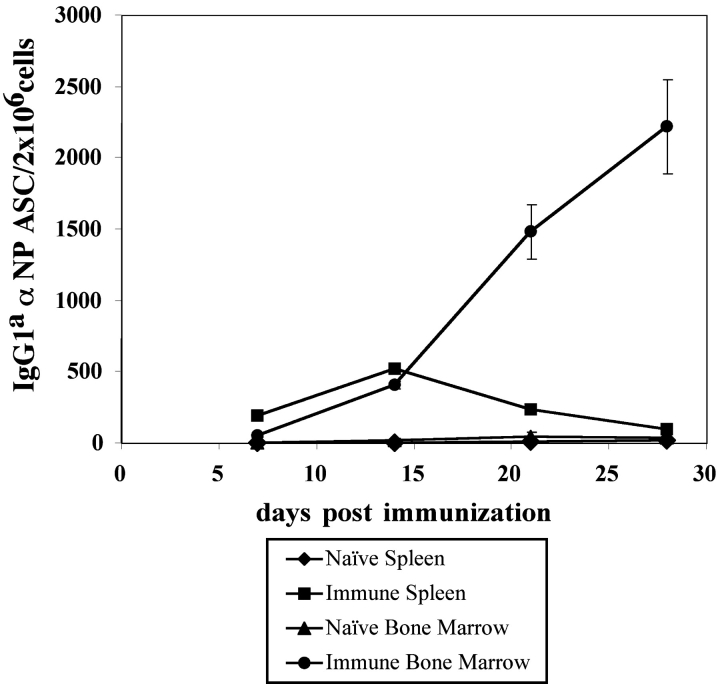
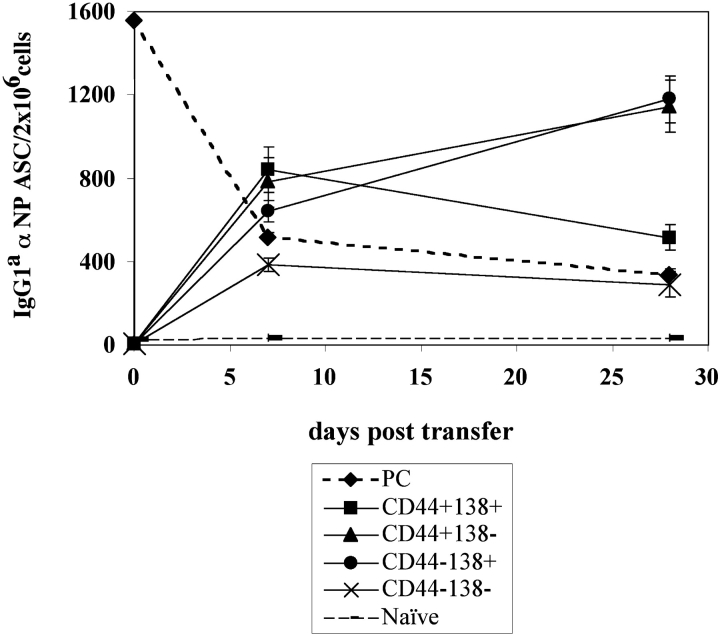
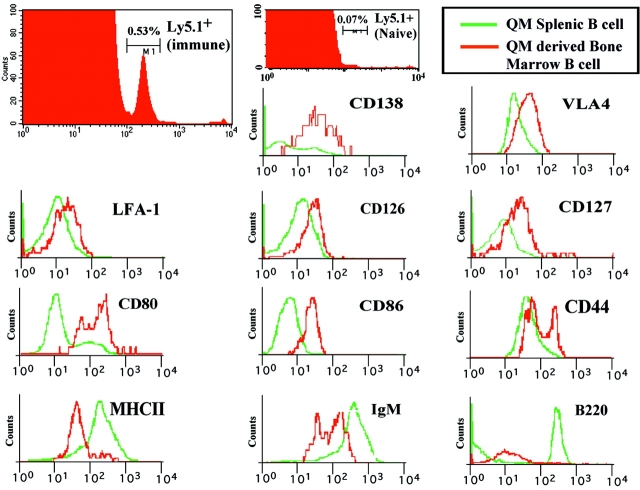
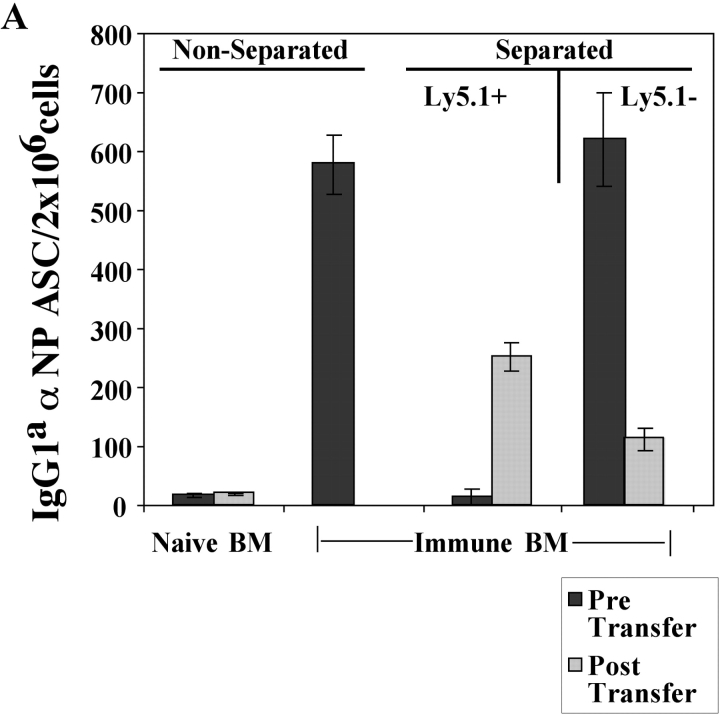
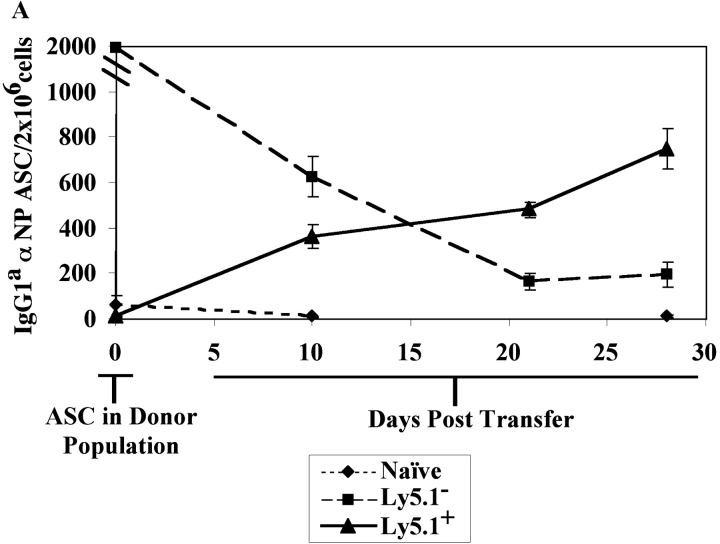
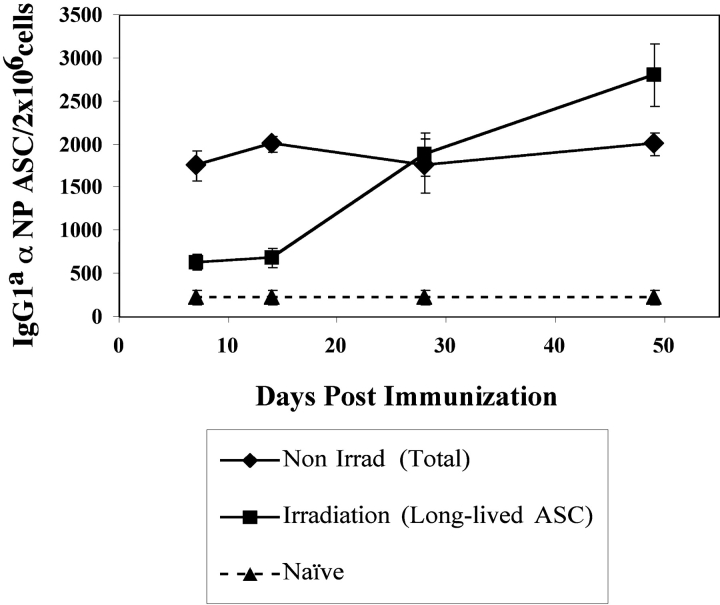
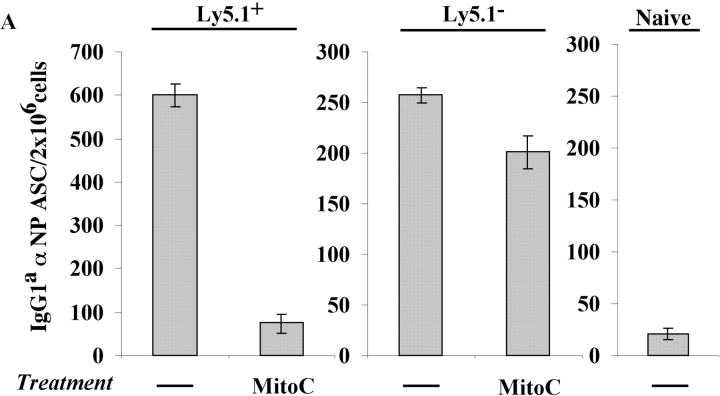
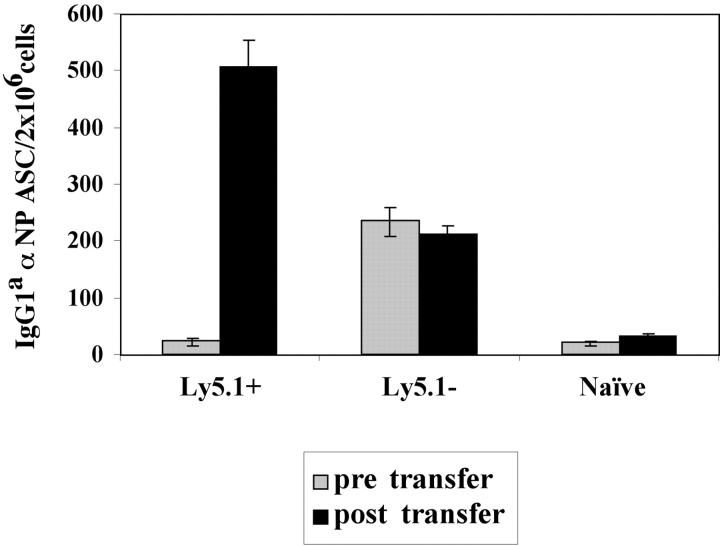
The contribution that long-lived bone marrow (BM) plasma cells (PCs) provide to enduring humoral immunity has been underscored by a number of recent studies. However, little is known about the immediate precursors that give rise to long-lived PCs in the BM of immune individuals. We have identified subsets of antigen-experienced B cells within the immune BM that are precursors to PCs. These PC precursors arise in the BM 14 days after immunization and persist for greater than 9 months. Phenotypically distinct subsets of PC precursors give rise to short-lived or long-lived PCs. The differentiation of PC precursors to PCs occurs in the absence of antigen and requires cell division. The functional significance of these newly identified PC precursors in the persistence and quality of the humoral immune response is discussed.
近期的多项研究强调了长寿骨髓(BM)浆细胞(PC)对持久体液免疫的贡献。然而,对于免疫个体骨髓中产生长寿PC的直接前体细胞,我们却知之甚少。我们已在免疫骨髓中鉴定出抗原经验丰富的B细胞亚群,它们是PC的前体细胞。这些PC前体细胞在免疫后14天出现在骨髓中,并持续存在超过9个月。PC前体细胞在表型上不同的亚群会产生短命或长寿的PC。PC前体细胞向PC的分化在无抗原的情况下发生,且需要细胞分裂。本文讨论了这些新鉴定的PC前体细胞在体液免疫反应的持久性和质量方面的功能意义。