Schenk Susann, Hintermann Edith, Bilban Martin, Koshikawa Naohiko, Hojilla Carlo, Khokha Rama, Quaranta Vito
Department of Cell Biology, The Scripps Research Institute, La Jolla, CA 92037, USA. sschenk@scripps
J Cell Biol. 2003 Apr 14;161(1):197-209. doi: 10.1083/jcb.200208145.
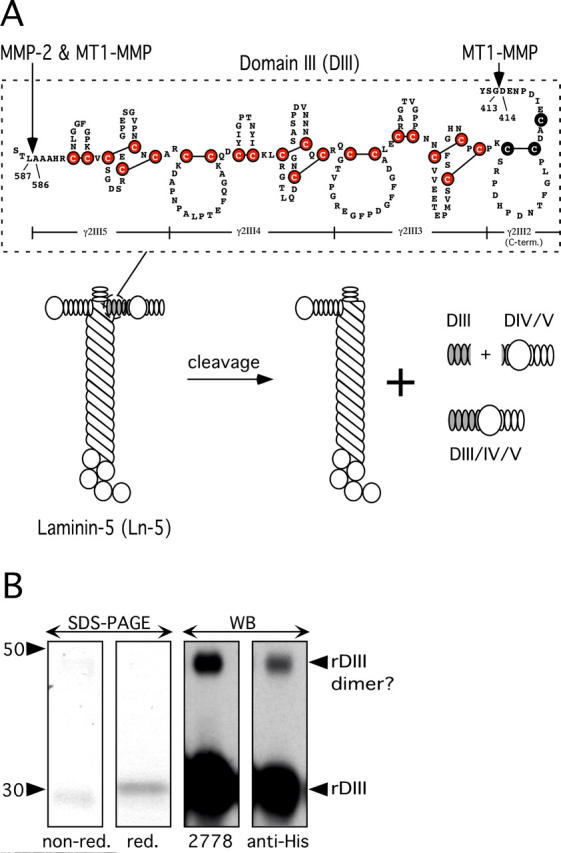
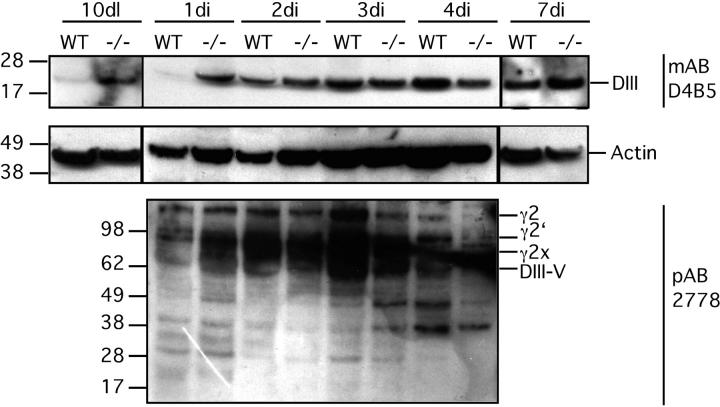
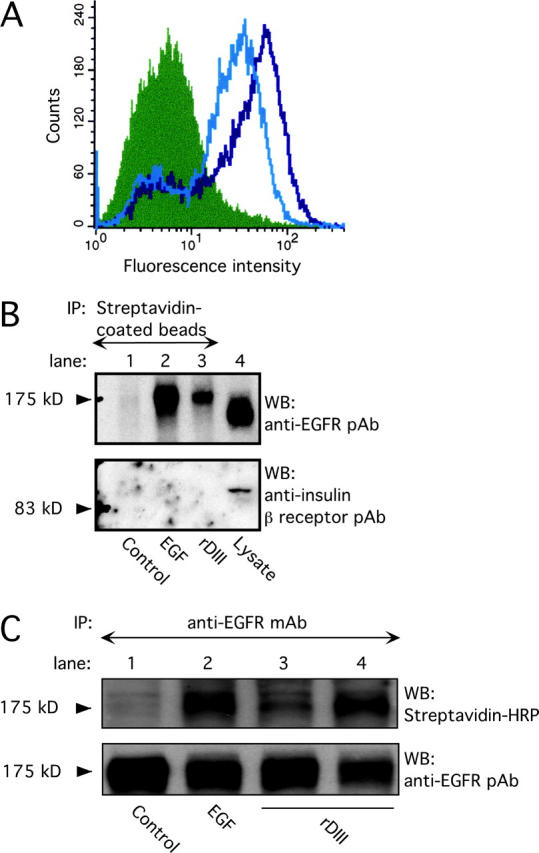
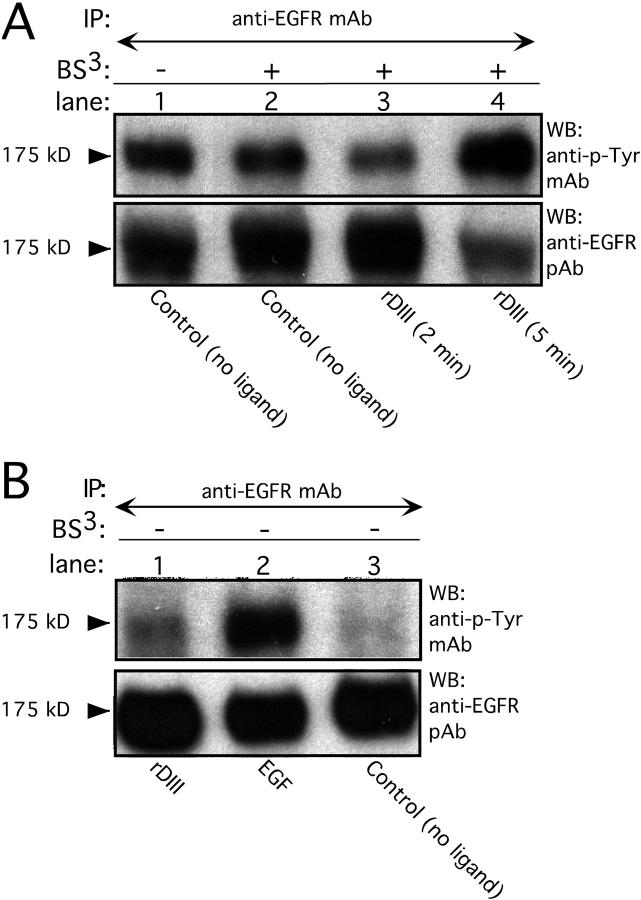
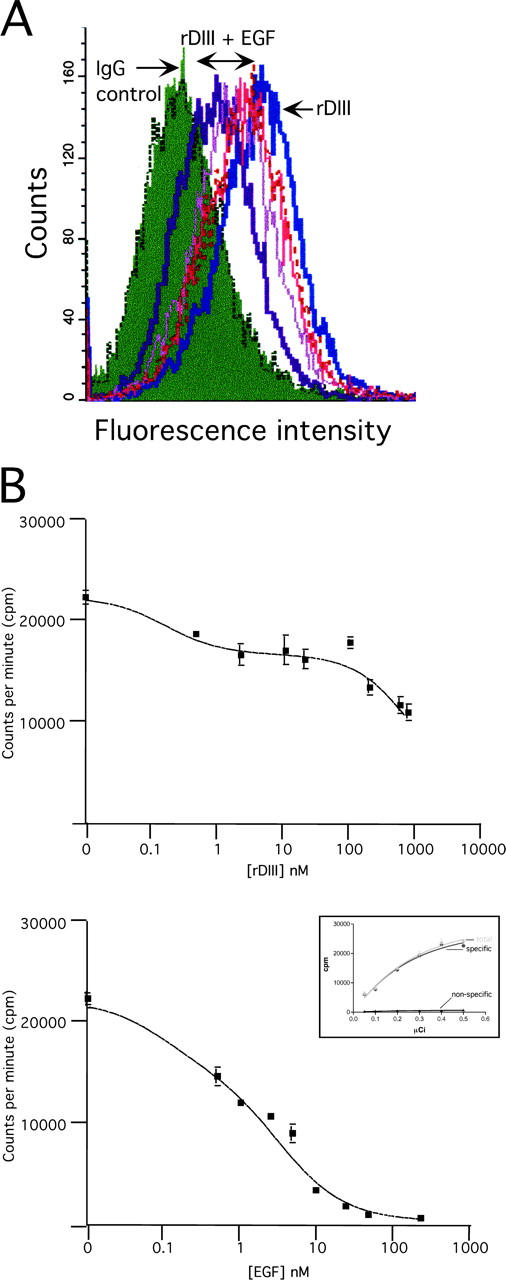
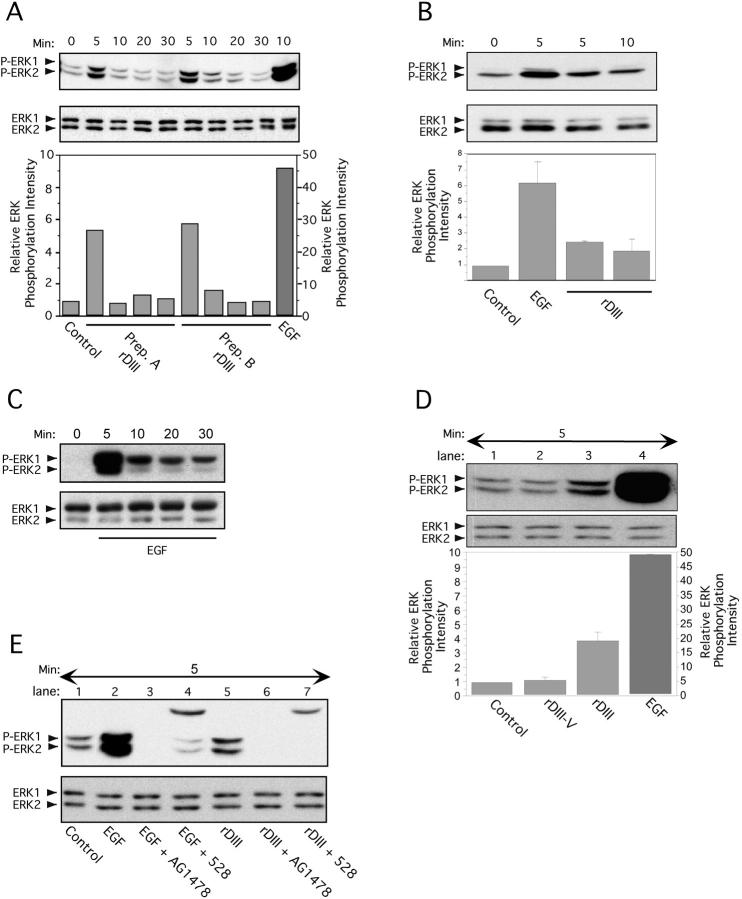
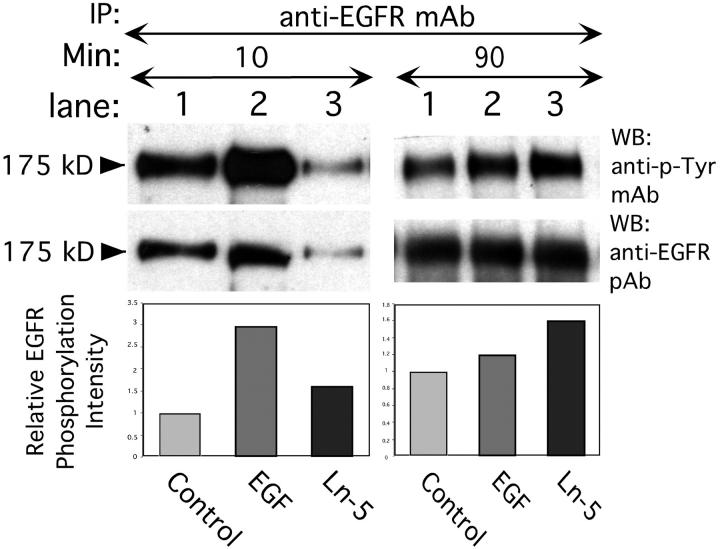
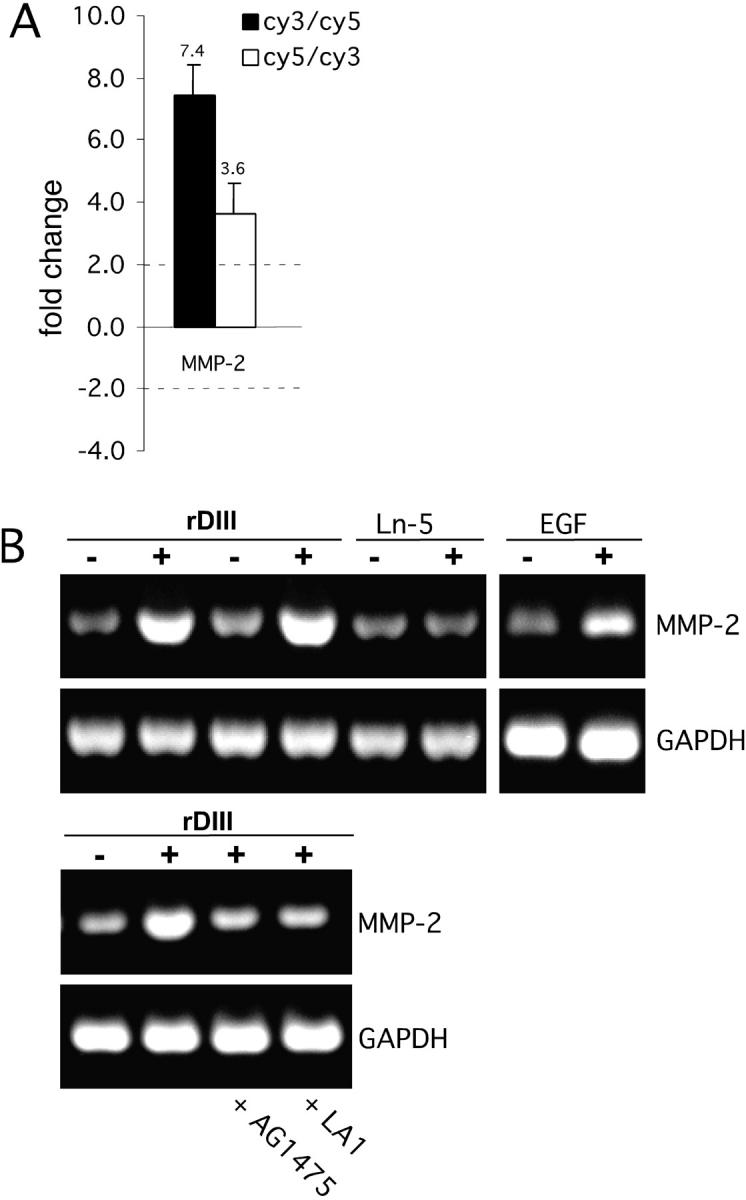
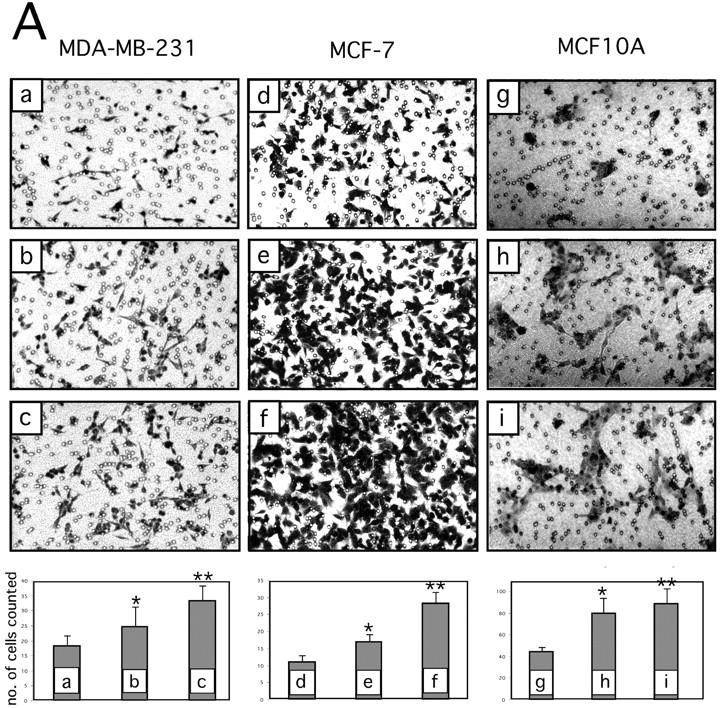
Extracellular matrix (ECM) fragments or cryptic sites unmasked by proteinases have been postulated to affect tissue remodeling and cancer progression. Therefore, the elucidation of their identities and functions is of great interest. Here, we show that matrix metalloproteinases (MMPs) generate a domain (DIII) from the ECM macromolecule laminin-5. Binding of a recombinant DIII fragment to epidermal growth factor receptor stimulates downstream signaling (mitogen-activated protein kinase), MMP-2 gene expression, and cell migration. Appearance of this cryptic ECM ligand in remodeling mammary gland coincides with MMP-mediated involution in wild-type mice, but not in tissue inhibitor of metalloproteinase 3 (TIMP-3)-deficient mice, supporting physiological regulation of DIII liberation. These findings indicate that ECM cues may operate via direct stimulation of receptor tyrosine kinases in tissue remodeling, and possibly cancer invasion.
细胞外基质(ECM)片段或被蛋白酶暴露的隐蔽位点被认为会影响组织重塑和癌症进展。因此,阐明它们的身份和功能具有重要意义。在这里,我们表明基质金属蛋白酶(MMPs)从ECM大分子层粘连蛋白-5中产生一个结构域(DIII)。重组DIII片段与表皮生长因子受体的结合刺激下游信号传导(丝裂原活化蛋白激酶)、MMP-2基因表达和细胞迁移。这种隐蔽的ECM配体在重塑乳腺中的出现与野生型小鼠中MMP介导的退化一致,但在金属蛋白酶组织抑制剂3(TIMP-3)缺陷小鼠中则不然,这支持了DIII释放的生理调节。这些发现表明,ECM线索可能通过在组织重塑以及可能的癌症侵袭中直接刺激受体酪氨酸激酶来发挥作用。