Linhartová I, Dráber P, Dráberová E, Viklický V
Institute of Molecular Genetics, Czechoslovak Academy of Sciences, Prague.
Biochem J. 1992 Dec 15;288 ( Pt 3)(Pt 3):919-24. doi: 10.1042/bj2880919.
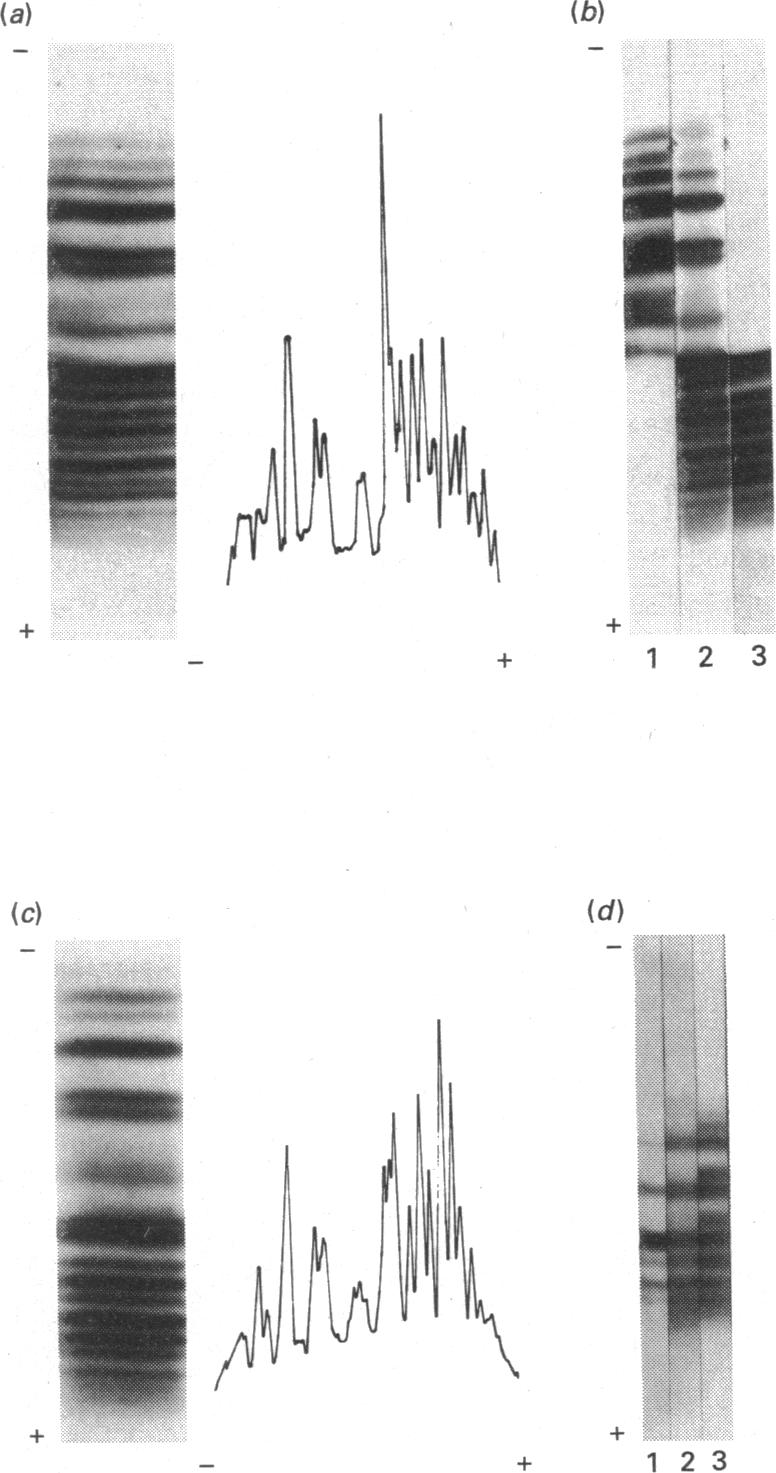
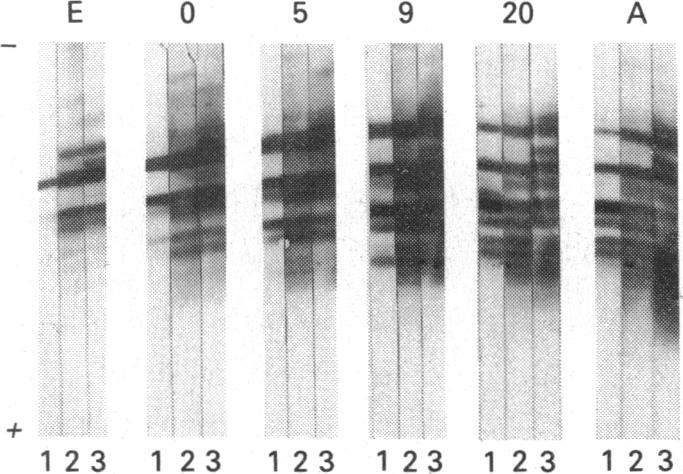
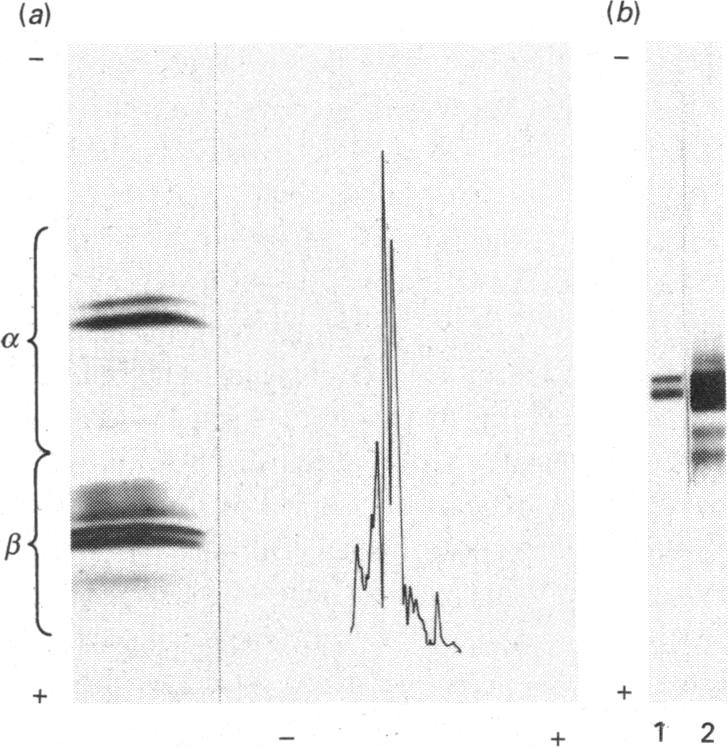
Individual beta-tubulin isoforms in developing mouse brain were characterized using immunoblotting, after preceding high-resolution isoelectric focusing, with monoclonal antibodies against different structural regions of beta-tubulin. Some of the antibodies reacted with a limited number of tubulin isoforms in all stages of brain development and in HeLa cells. The epitope for the TU-14 antibody was located in the isotype-defining domain and was present on the beta-tubulin isotypes of classes I, II and IV, but absent on the neuron-specific class-III isotype. The data suggest that non-class-III beta-tubulins in mouse brain are substrates for developmentally regulated post-translational modifications and that beta-tubulins of non-neuronal cells are also post-translationally modified.
在使用针对β-微管蛋白不同结构区域的单克隆抗体进行高分辨率等电聚焦后,通过免疫印迹法对发育中小鼠大脑中的单个β-微管蛋白亚型进行了表征。一些抗体在大脑发育的所有阶段以及HeLa细胞中与有限数量的微管蛋白亚型发生反应。TU-14抗体的表位位于同种型定义域,存在于I、II和IV类β-微管蛋白同种型上,但在神经元特异性III类同种型上不存在。数据表明,小鼠大脑中的非III类β-微管蛋白是发育调控的翻译后修饰的底物,并且非神经元细胞的β-微管蛋白也进行了翻译后修饰。