Wennemuth Gunther, Babcock Donner F, Hille Bertil
Department of Physiology and Biophysics, Box 357290, University of Washington, Seattle, WA 98195-7290, USA.
J Gen Physiol. 2003 Jul;122(1):115-28. doi: 10.1085/jgp.200308839.
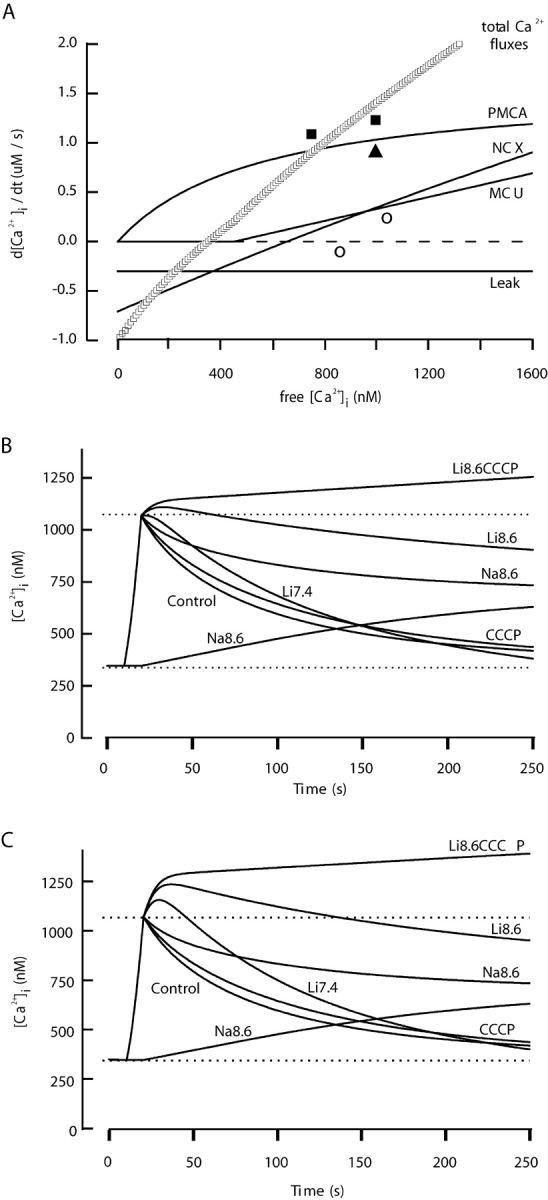
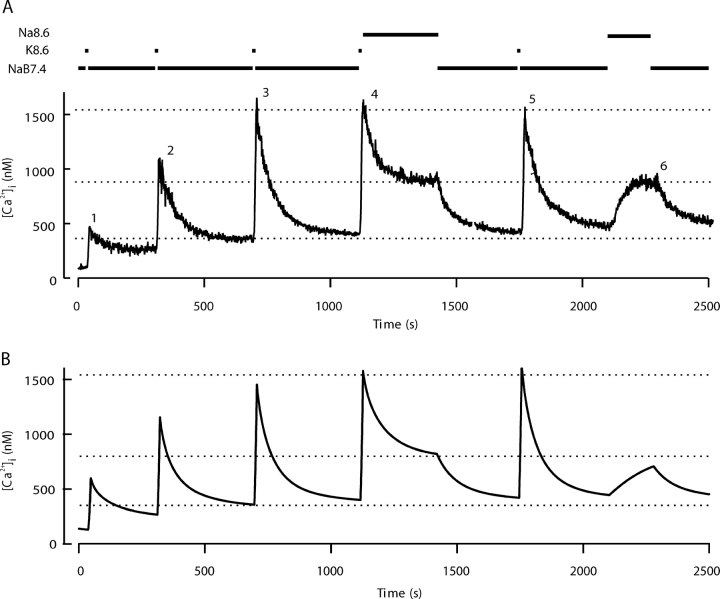
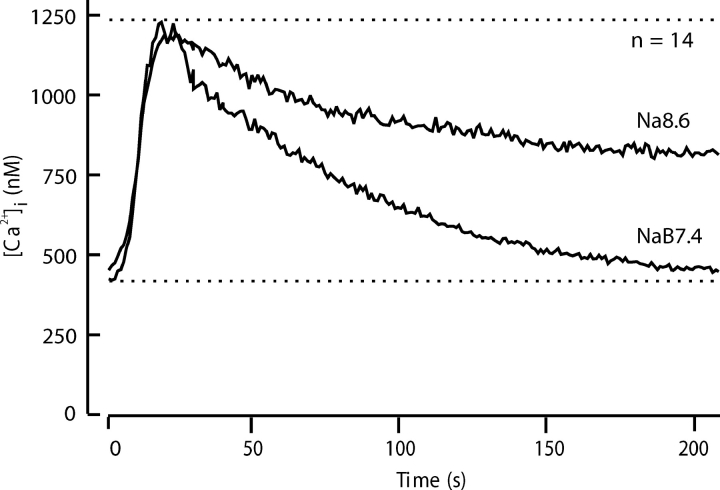
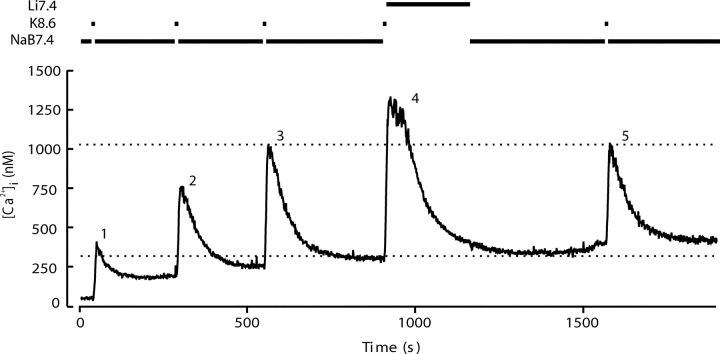
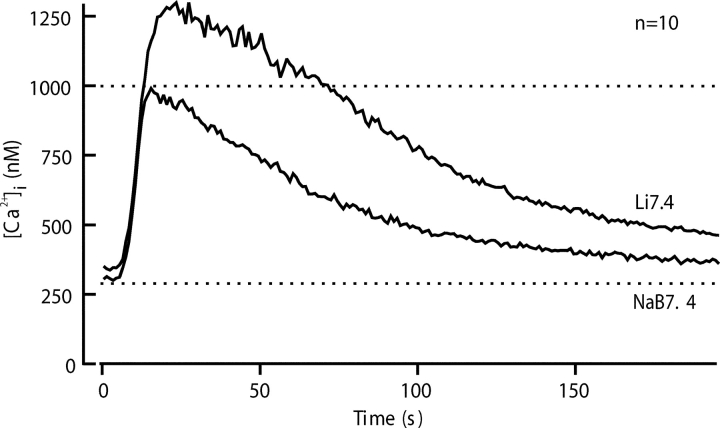
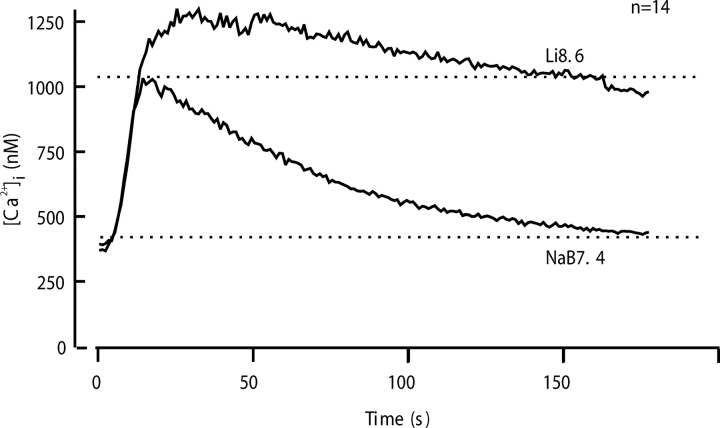
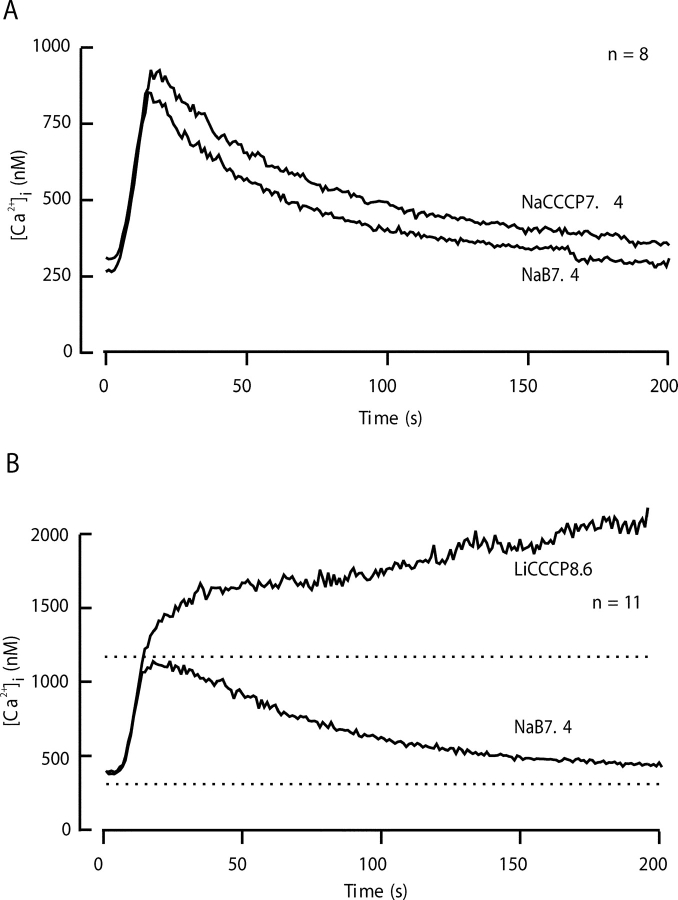
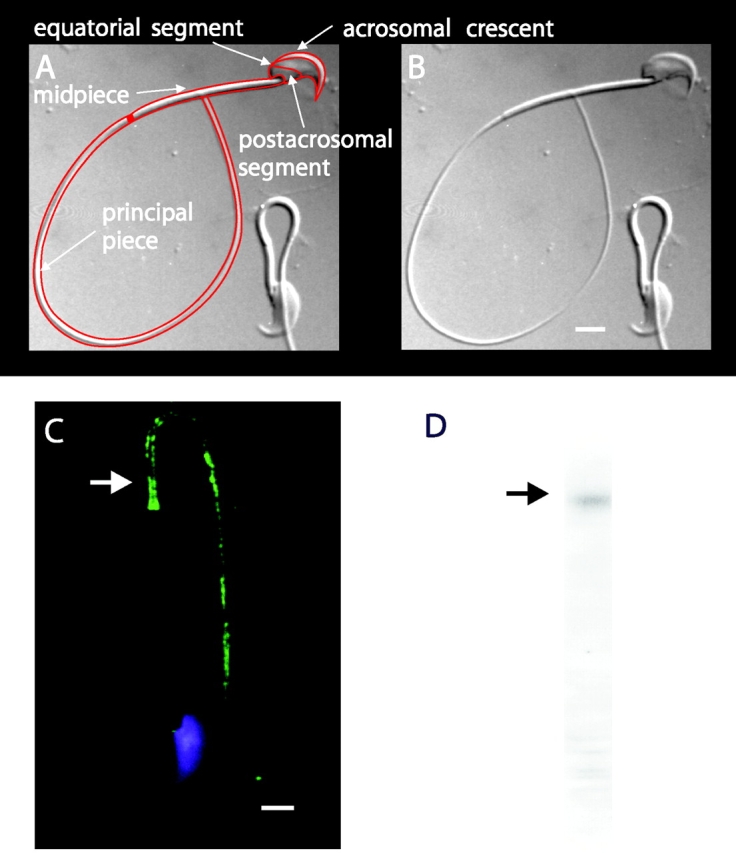
The spermatozoon is specialized for a single vital role in fertilization. Past studies show that Ca2+ signals produced by the opening of plasma membrane entry channels initiate several events required for the sperm to reach and enter the egg but reveal little about how resting [Ca2+]i is maintained or restored after elevation. We examined these homeostatic mechanisms by monitoring the kinetics of recovery from depolarizing stimuli under conditions intended to inhibit candidate mechanisms for sequestration or extrusion of Ca2+ from the cytosol. We found that the Ca2+-ATPase pump of the plasma membrane performs the major task of Ca2+ clearance. It is essential in the final stages of recovery to achieve a low resting [Ca2+]i. With immunomethods we found a approximately 130-kD plasma membrane Ca2+-ATPase protein on Western blots of whole sperm extracts and showed immunolocalization to the proximal principal piece of the flagellum. The plasma membrane Na+-Ca2+ exchanger also exports Ca2+ when [Ca2+]i is elevated. Simultaneous inhibition of both mechanisms of extrusion revealed an additional contribution to clearance from a CCCP-sensitive component, presumably sequestration by the mitochondria. Involvement of SERCA pumps was not clearly detected. Many aspects of the kinetics of Ca2+ clearance observed in the presence and absence of inhibitors were reproduced in a mathematical model based on known and assumed kinetic parameters. The model predicts that when cytosolic [Ca2+] is at 1 microM, the rates of removal by the Ca2+-ATPase, Na+-Ca2+-exchanger, mitochondrial uniporter, and SERCA pump are approximately 1.0, 0.35, 0.33, and 0 micromole l(-1) s(-1), rates substantially slower than those reported for other cells studied by similar methods. According to the model, the Na+-Ca2+ exchanger is poised so that it may run in reverse at resting [Ca2+]i levels. We conclude that the essential functions of sperm do not require the ability to recover rapidly from globally elevated cytosolic [Ca2+].
精子在受精过程中专门承担单一的重要作用。过去的研究表明,质膜进入通道开放产生的Ca2+信号引发了精子到达并进入卵子所需的一系列事件,但对于静息[Ca2+]i在升高后如何维持或恢复却知之甚少。我们通过在旨在抑制Ca2+从细胞质中隔离或排出的候选机制的条件下监测去极化刺激后恢复的动力学,研究了这些稳态机制。我们发现质膜的Ca2+-ATP酶泵执行Ca2+清除的主要任务。在恢复的最后阶段,它对于实现低静息[Ca2+]i至关重要。通过免疫方法,我们在全精子提取物的蛋白质印迹上发现了一种约130-kD的质膜Ca2+-ATP酶蛋白,并显示其免疫定位在鞭毛的近端主段。当[Ca2+]i升高时,质膜Na+-Ca2+交换器也会排出Ca2+。同时抑制这两种排出机制揭示了一种对CCCP敏感成分清除的额外贡献,推测是由线粒体隔离。未明确检测到SERCA泵的参与。基于已知和假设的动力学参数的数学模型再现了在有和没有抑制剂的情况下观察到的Ca2+清除动力学的许多方面。该模型预测,当细胞质[Ca2+]为1 microM时,Ca2+-ATP酶、Na+-Ca2+-交换器、线粒体单向转运体和SERCA泵的清除速率分别约为1.0、0.35、0.33和0微摩尔l(-1)s(-1),这些速率比用类似方法研究的其他细胞报道的速率要慢得多。根据该模型,Na+-Ca2+交换器处于这样一种状态,即它可能在静息[Ca2+]i水平下反向运行。我们得出结论,精子的基本功能不需要从全局升高的细胞质[Ca2+]中快速恢复的能力。