Yakushijin Y, Yasukawa M, Kobayashi Y
First Department of Internal Medicine, Ehime University School of Medicine, Japan.
J Virol. 1992 May;66(5):2773-9. doi: 10.1128/JVI.66.5.2773-2779.1992.
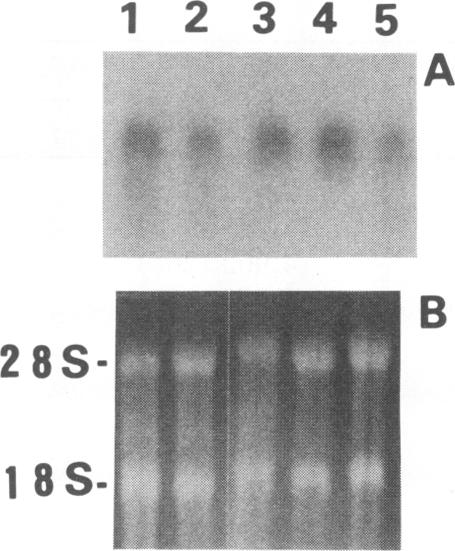
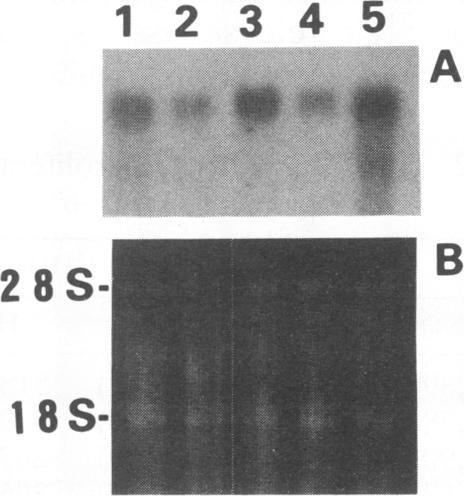
In order to clarify the protective immune responses against a newly identified herpesvirus, human herpesvirus 6 (HHV-6), we established HHV-6-specific human T-cell clones and examined their functional properties. Five CD3+CD4+CD8- T-cell clones, which proliferated in response to stimulation with two different strains of HHV-6 in the presence of autologous antigen-presenting cells but not with herpes simplex virus type 1 or human cytomegalovirus, were established from peripheral blood lymphocytes of a healthy individual. The proliferative response of all T-cell clones to HHV-6 antigen was inhibited by addition of anti-HLA-DR monoclonal antibody, indicating that these clones were human leukocyte antigen (HLA) class II DR restricted. Of the five clones, two lysed HHV-6-infected autologous lymphoblasts, but not HHV-6-infected allogeneic cells or natural killer-sensitive K562 cells (group 1); one showed cytotoxicity against HHV-6-infected autologous lymphoblasts as well as HHV-6-infected allogeneic cells and K562 cells (group 2); and the remaining two showed no cytotoxic activity (group 3). The cytotoxic activity of group 1 was inhibited by addition of anti-HLA-DR monoclonal antibody to the culture, whereas this monoclonal antibody had no effect on the cytotoxicity of group 2 and did not induce the cytotoxicity of group 3. Perforin, which is one of the mediators of cytotoxicity, was abundantly expressed in group 1 and 2 clones. Moreover, all groups of clones produced gamma interferon after culture with antigen-presenting cells followed by HHV-6 antigen stimulation. These results suggest that HHV-6-specific CD4+ T cells have heterogeneous functions.
为了阐明针对新发现的疱疹病毒——人类疱疹病毒6型(HHV-6)的保护性免疫反应,我们建立了HHV-6特异性人T细胞克隆,并检测了它们的功能特性。从一名健康个体的外周血淋巴细胞中建立了5个CD3+CD4+CD8-T细胞克隆,这些克隆在自体抗原呈递细胞存在的情况下,对两种不同株的HHV-6刺激有增殖反应,但对1型单纯疱疹病毒或人巨细胞病毒无反应。所有T细胞克隆对HHV-6抗原的增殖反应均被加入抗HLA-DR单克隆抗体所抑制,表明这些克隆受人类白细胞抗原(HLA)Ⅱ类DR限制。在这5个克隆中,2个克隆能裂解HHV-6感染的自体淋巴母细胞,但不能裂解HHV-6感染的同种异体细胞或自然杀伤敏感的K562细胞(第1组);1个克隆对HHV-6感染的自体淋巴母细胞以及HHV-6感染的同种异体细胞和K562细胞具有细胞毒性(第2组);其余2个克隆无细胞毒性活性(第3组)。向培养物中加入抗HLA-DR单克隆抗体可抑制第1组的细胞毒性活性,而该单克隆抗体对第2组的细胞毒性无影响,也未诱导第3组的细胞毒性。细胞毒性介质之一穿孔素在第1组和第2组克隆中大量表达。此外,在用抗原呈递细胞培养后再经HHV-6抗原刺激,所有组的克隆均产生γ干扰素。这些结果表明,HHV-6特异性CD4+T细胞具有异质性功能。