Morishita K, Parganas E, Matsugi T, Ihle J N
Department of Biochemistry, St. Jude Children's Research Hospital, Memphis, Tennessee 38105.
Mol Cell Biol. 1992 Jan;12(1):183-9. doi: 10.1128/mcb.12.1.183-189.1992.
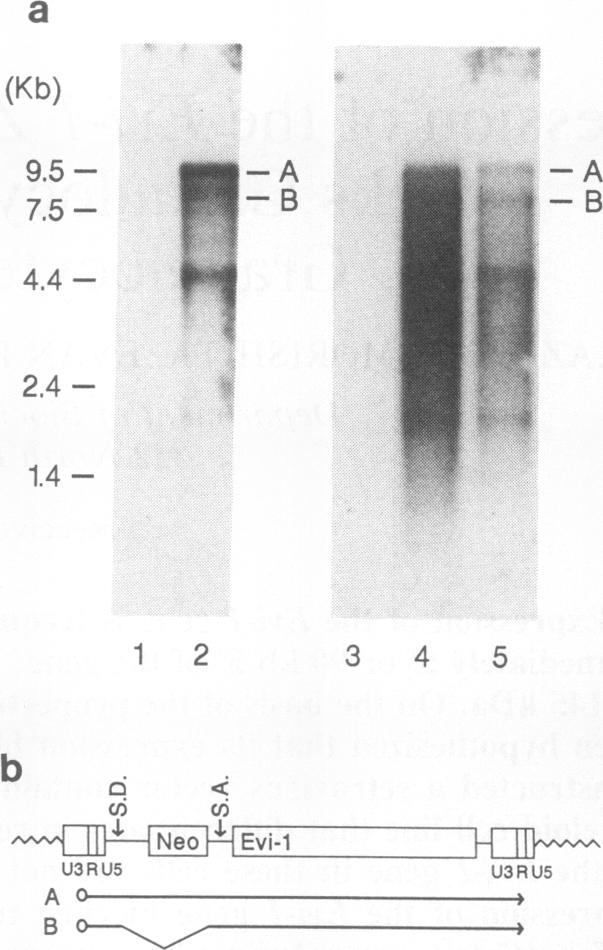
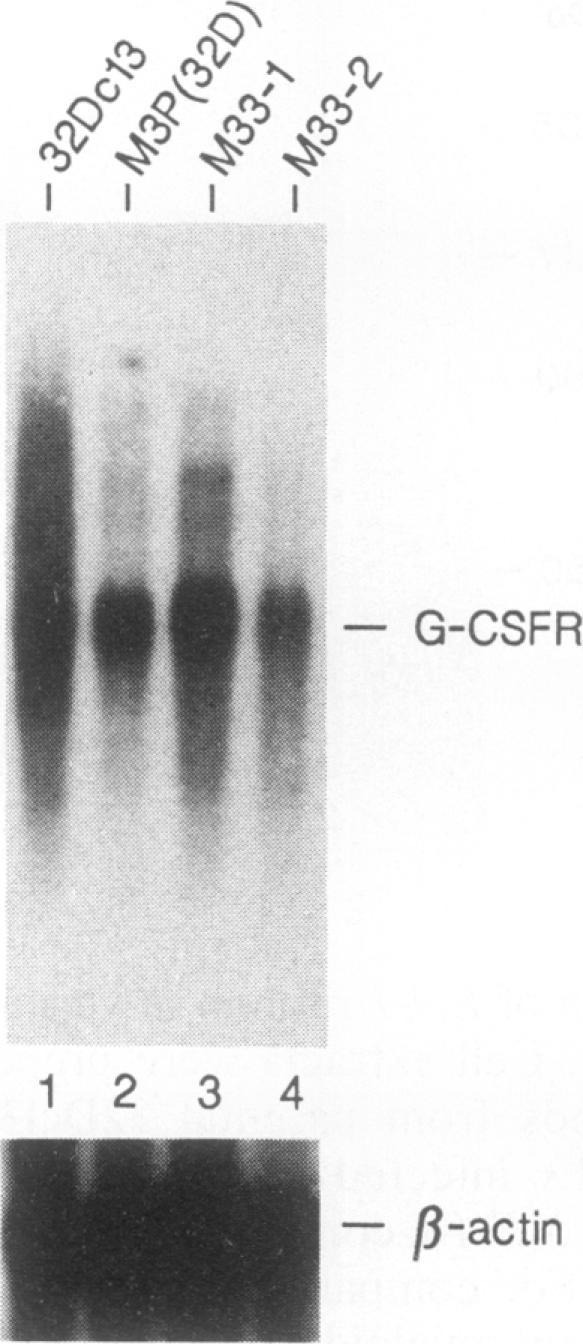
Expression of the Evi-1 gene is frequently activated in murine myeloid leukemias by retroviral insertions immediately 5' or 90 kb 5' of the gene. The Evi-1 gene product is a nuclear, DNA-binding zinc finger protein of 145 kDa. On the basis of the properties of the myeloid cell lines in which the Evi-1 gene is activated, it has been hypothesized that its expression blocks normal differentiation. To explore this proposed role, we have constructed a retrovirus vector containing the gene and examined its effects on an interleukin-3-dependent myeloid cell line that differentiates in response to granulocyte colony-stimulating factor (G-CSF). Expression of the Evi-1 gene in these cells did not alter the normal growth factor requirements of the cells. However, expression of the Evi-1 gene blocked the ability of the cells to express myeloperoxidase and to terminally differentiate to granulocytes in response to G-CSF. This effect was not due to altered expression of the G-CSF receptor or to changes in the initial responses of the cells to G-CSF. These results support the hypothesis that the inappropriate expression of the Evi-1 gene in myeloid cells interferes with the ability of the cells to terminally differentiate.
在鼠类髓性白血病中,Evi-1基因的表达常常因逆转录病毒插入该基因5'端紧邻处或5'端90 kb处而被激活。Evi-1基因产物是一种145 kDa的核内DNA结合锌指蛋白。基于Evi-1基因被激活的髓性细胞系的特性,有人推测其表达会阻断正常分化。为探究这一推测的作用,我们构建了一个包含该基因的逆转录病毒载体,并检测了其对一种依赖白细胞介素-3的髓性细胞系的影响,该细胞系在粒细胞集落刺激因子(G-CSF)作用下会发生分化。Evi-1基因在这些细胞中的表达并未改变细胞对正常生长因子的需求。然而,Evi-1基因的表达阻断了细胞表达髓过氧化物酶以及对G-CSF作出反应并终末分化为粒细胞的能力。这种效应并非由于G-CSF受体表达改变或细胞对G-CSF的初始反应变化所致。这些结果支持了这样一种假说,即髓性细胞中Evi-1基因的不适当表达会干扰细胞终末分化的能力。