Braun J, Saxon A, Wall R, Morrison S L
Department of Pathology, UCLA School of Medicine 90024-1732.
West J Med. 1992 Aug;157(2):158-68.
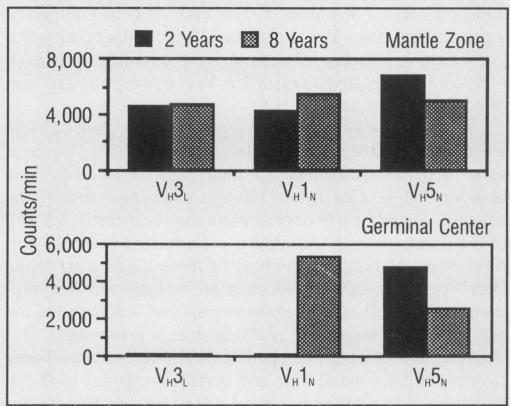
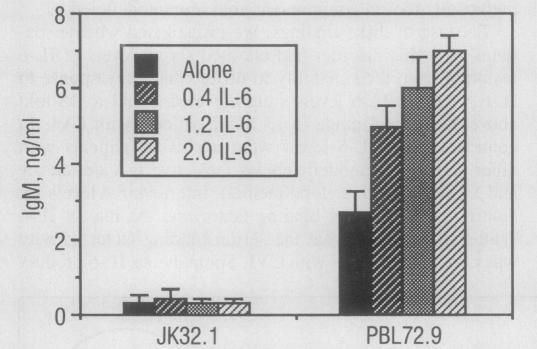
The modern age of immunology began in 1890 with the discovery of antibodies as a major component of protective immunity. The 2nd century of the antibody begins with a focus on the molecular physiology and pathophysiology of immunoglobulin production. Numerous human variable-region antibody genes have been identified through advances in molecular cloning and anti-variable-region monoclonal antibodies. Some of these variable-region genes are now known to be involved in specific stages of B-lymphocyte differentiation and immune development. This connection has yielded new insights into the pathogenesis of immune dyscrasias and lymphoid neoplasia; common variable immunodeficiency and cryoglobulinemia are highlighted here. The molecular regulation of immunoglobulin expression suggests new targets for pathogenesis and clinical intervention. Finally, genetically engineered antibodies offer novel opportunities for diagnostic and therapeutic applications.
现代免疫学时代始于1890年,当时发现抗体是保护性免疫的主要组成部分。抗体的第二个世纪始于对免疫球蛋白产生的分子生理学和病理生理学的关注。通过分子克隆和抗可变区单克隆抗体的进展,已经鉴定出许多人类可变区抗体基因。现在已知其中一些可变区基因参与B淋巴细胞分化和免疫发育的特定阶段。这种联系为免疫失调和淋巴样肿瘤的发病机制带来了新的见解;这里重点介绍常见可变免疫缺陷和冷球蛋白血症。免疫球蛋白表达的分子调节为发病机制和临床干预提出了新的靶点。最后,基因工程抗体为诊断和治疗应用提供了新的机会。