Zhou Jing, Chen Chin Ho, Aiken Christopher
Department of Microbiology and Immunology, Vanderbilt University School of Medicine, Nashville, TN, USA.
Retrovirology. 2004 Jun 29;1:15. doi: 10.1186/1742-4690-1-15.
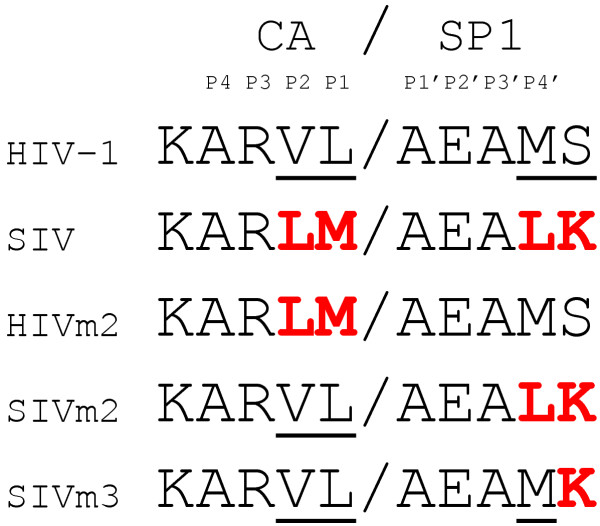
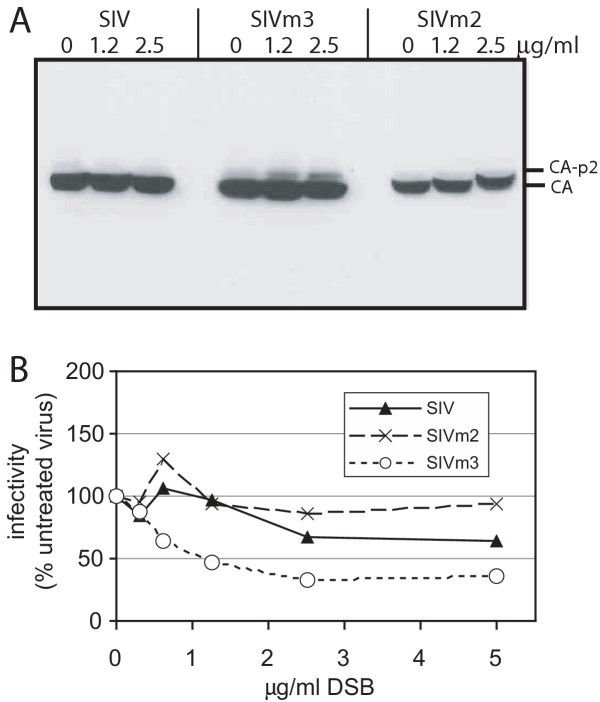
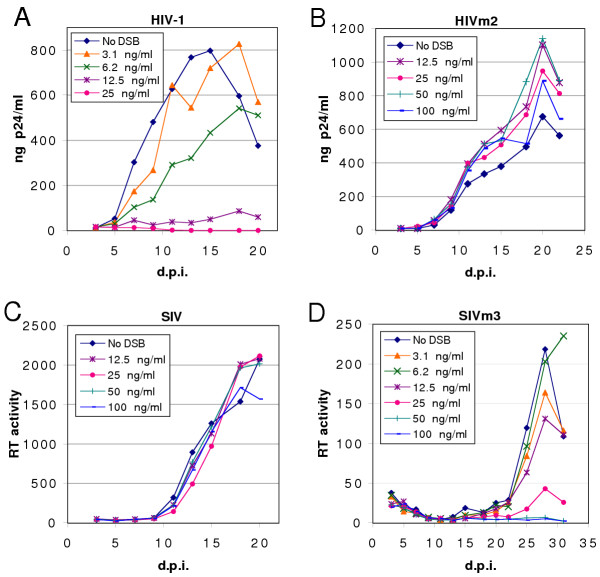
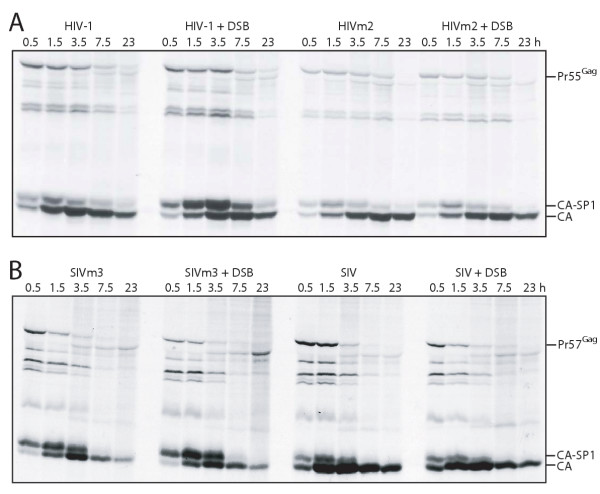
Despite the effectiveness of currently available antiretroviral therapies in the treatment of HIV-1 infection, a continuing need exists for novel compounds that can be used in combination with existing drugs to slow the emergence of drug-resistant viruses. We previously reported that the small molecule 3-O-{3',3'-dimethylsuccinyl}-betulinic acid (DSB) specifically inhibits HIV-1 replication by delaying the processing of the CA-SP1 junction in Pr55Gag. By contrast, SIVmac239 replicates efficiently in the presence of high concentrations of DSB. To determine whether sequence differences in the CA-SP1 junction can fully account for the differential sensitivity of HIV-1 and SIV to DSB, we engineered mutations in this region of two viruses and tested their sensitivity to DSB in replication assays using activated human primary CD4+ T cells.
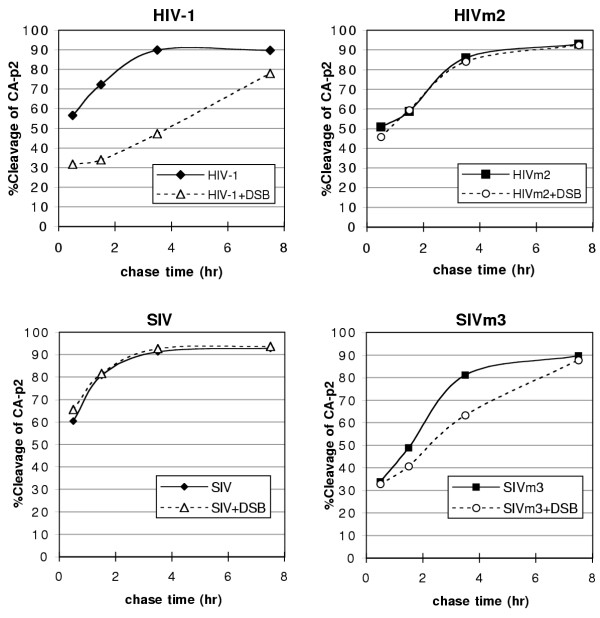
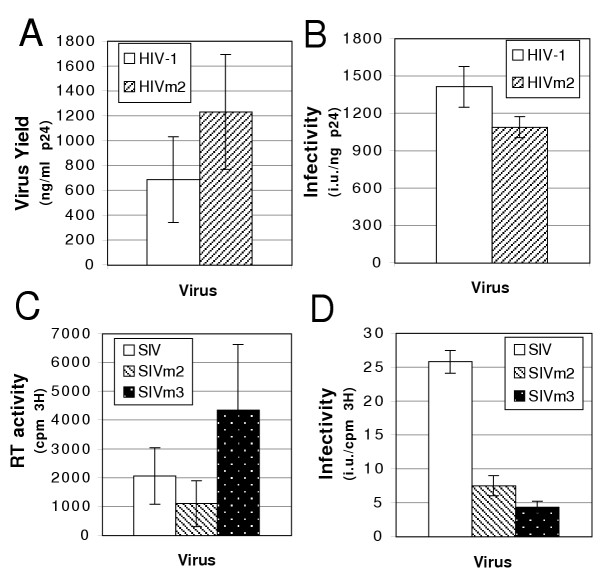
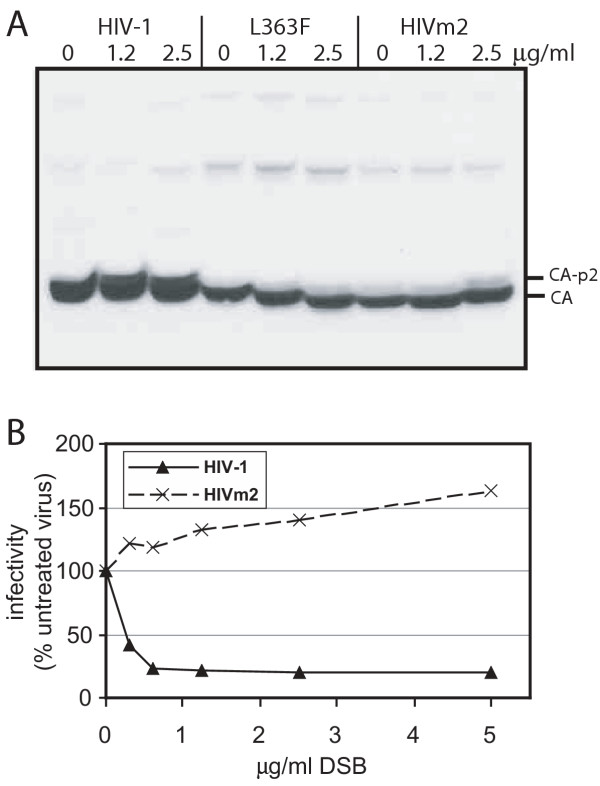
Substitution of the P2 and P1 residues of HIV-1 by the corresponding amino acids of SIV resulted in strong resistance to DSB, but the mutant virus replicated with reduced efficiency. Conversely, replication of an SIV mutant containing three amino acid substitutions in the CA-SP1 cleavage site was highly sensitive to DSB, and the mutations resulted in delayed cleavage of the CA-SP1 junction in the presence of the drug.
These results demonstrate that the CA-SP1 junction in Pr55Gag represents the primary viral target of DSB. They further suggest that the therapeutic application of DSB will be accompanied by emergence of mutant viruses that are highly resistant to the drug but which exhibit reduced fitness relative to wild type HIV-1.
尽管目前可用的抗逆转录病毒疗法在治疗HIV-1感染方面有效,但仍持续需要可与现有药物联合使用以减缓耐药病毒出现的新型化合物。我们之前报道小分子3-O-{3',3'-二甲基琥珀酰基}-桦木酸(DSB)通过延迟Pr55Gag中CA-SP1连接处的加工来特异性抑制HIV-1复制。相比之下,SIVmac239在高浓度DSB存在下能高效复制。为了确定CA-SP1连接处的序列差异是否能完全解释HIV-1和SIV对DSB的不同敏感性,我们在两种病毒的该区域设计了突变,并在使用活化的人原代CD4+ T细胞的复制试验中测试了它们对DSB的敏感性。
用SIV的相应氨基酸取代HIV-1的P2和P1残基导致对DSB产生强烈抗性,但突变病毒的复制效率降低。相反,在CA-SP1切割位点含有三个氨基酸取代的SIV突变体的复制对DSB高度敏感,并且这些突变导致在药物存在下CA-SP1连接处的切割延迟。
这些结果表明Pr55Gag中的CA-SP1连接处是DSB的主要病毒靶点。它们进一步表明,DSB的治疗应用将伴随着对该药物高度耐药但相对于野生型HIV-1适应性降低的突变病毒的出现。