Pavlenko M, Roos A-K, Lundqvist A, Palmborg A, Miller A M, Ozenci V, Bergman B, Egevad L, Hellström M, Kiessling R, Masucci G, Wersäll P, Nilsson S, Pisa P
Immune and Gene Therapy Laboratory, Cancer Center Karolinska R8:01, Karolinska Institute, S-171 76 Stockholm, Sweden.
Br J Cancer. 2004 Aug 16;91(4):688-94. doi: 10.1038/sj.bjc.6602019.
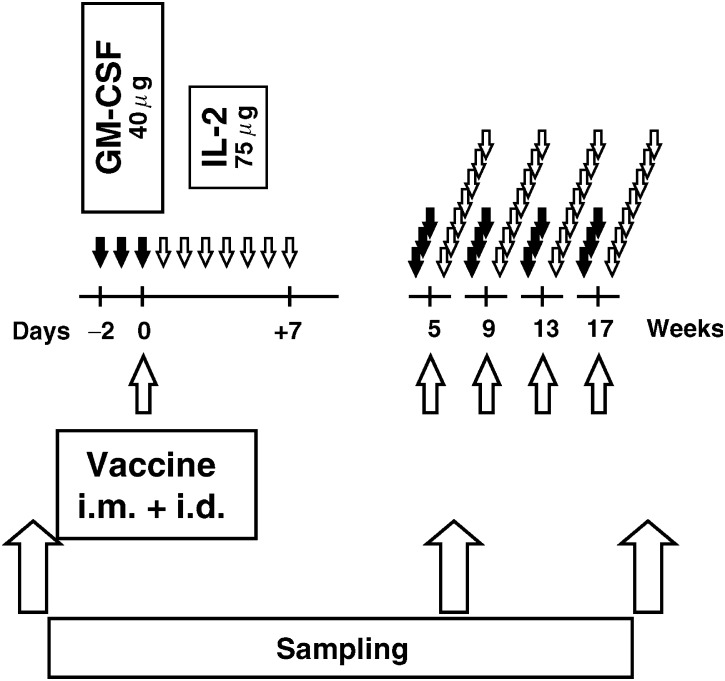
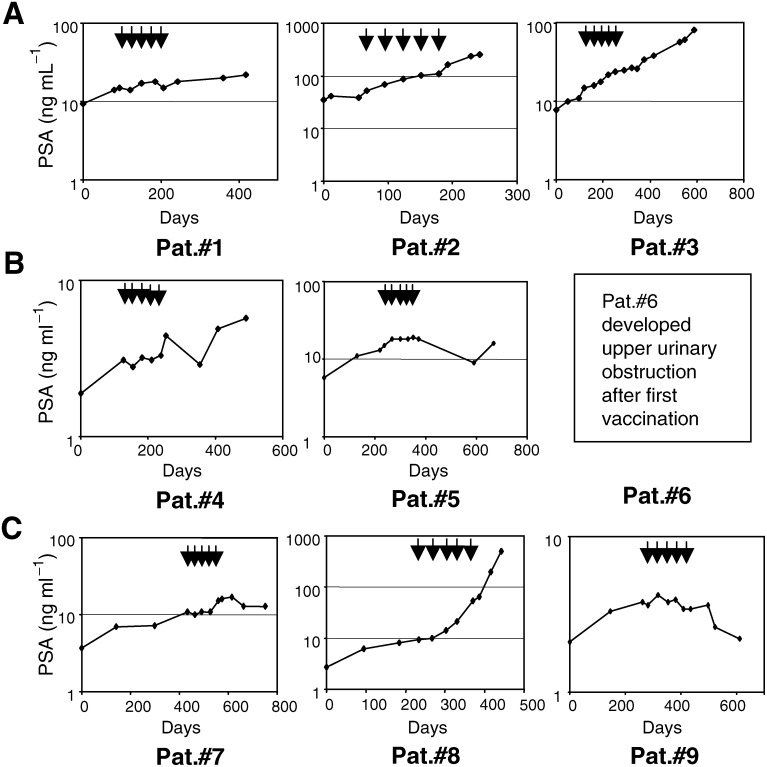
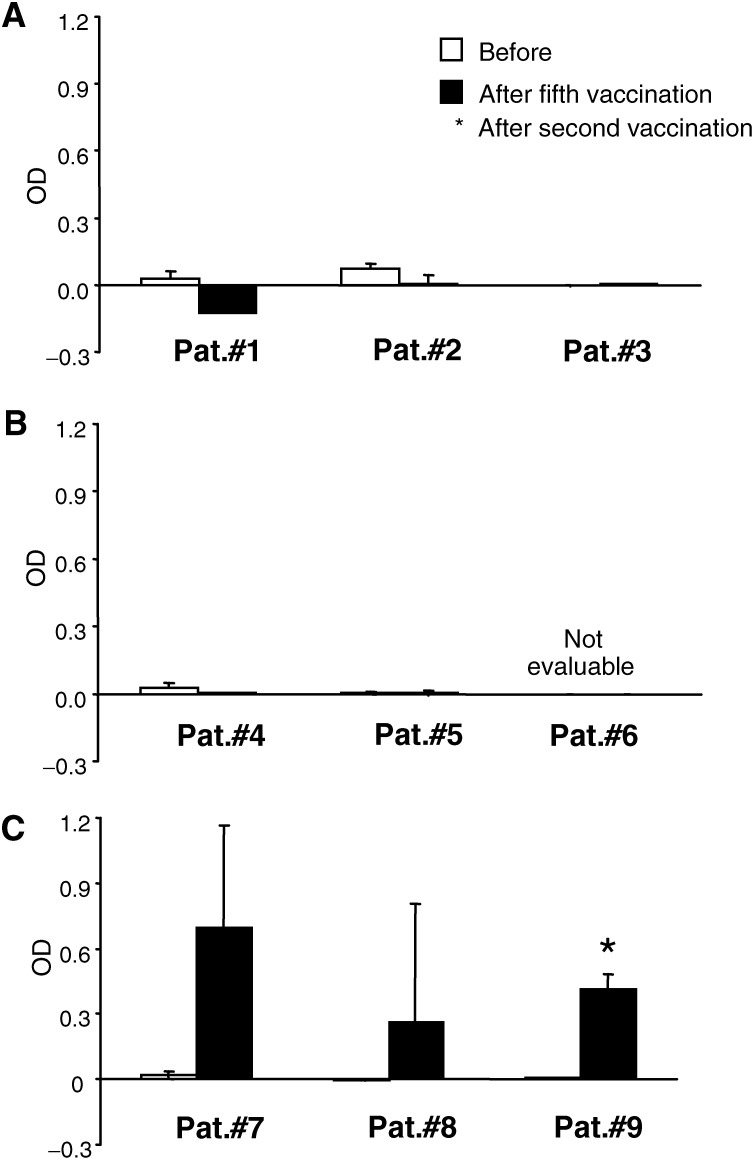
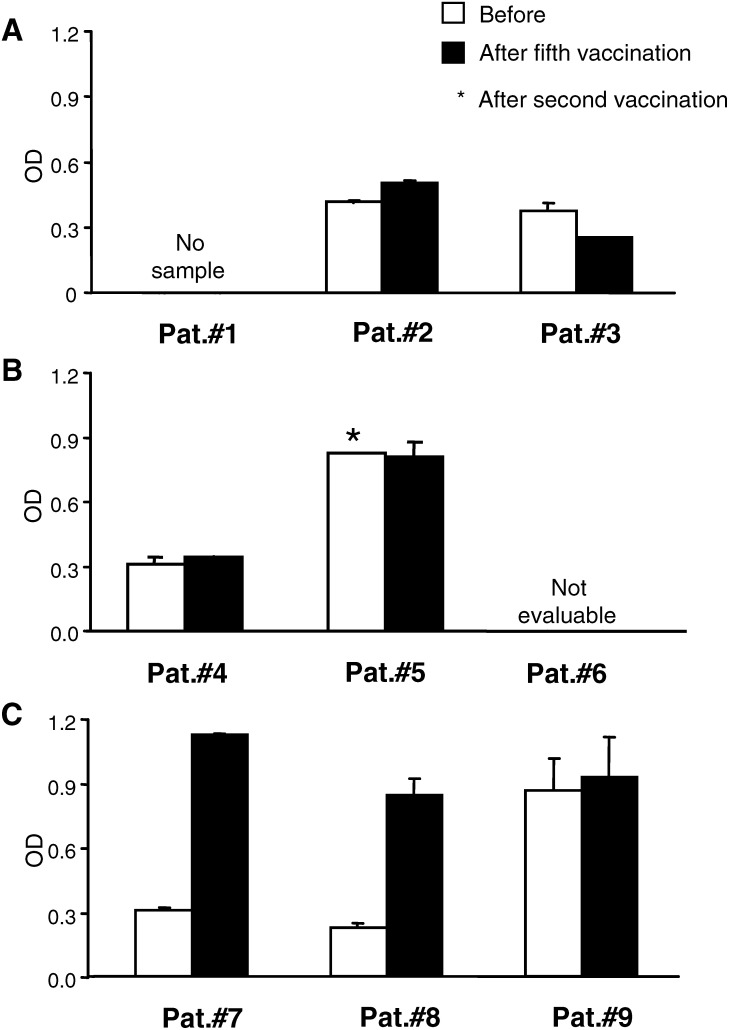
Prostate-specific antigen (PSA) is a serine protease secreted at low levels by normal luminal epithelial cells of the prostate and in significantly higher levels by prostate cancer cells. Therefore, PSA is a potential target for various immunotherapeutical approaches against prostate cancer. DNA vaccination has been investigated as immunotherapy for infectious diseases in patients and for specific treatment of cancer in certain animal models. In animal studies, we have demonstrated that vaccination with plasmid vector pVAX/PSA results in PSA-specific cellular response and protection against tumour challenge. The purpose of the trial was to evaluate the safety, feasibility and biological efficacy of pVAX/PSA vaccine in the clinic. A phase I trial of pVAX/PSA, together with cytokine granulocyte/macrophage-colony stimulating factor (GM-CSF) (Molgramostim) and IL-2 (Aldesleukin) as vaccine adjuvants, was carried out in patients with hormone-refractory prostate cancer. To evaluate the biologically active dose, the vaccine was administered during five cycles in doses of 100, 300 and 900 microg, with three patients in each cohort. Eight patients were evaluable. A PSA-specific cellular immune response, measured by IFN-gamma production against recombinant PSA protein, and a rise in anti-PSA IgG were detected in two of three patients after vaccination in the highest dose cohort. A decrease in the slope of PSA was observed in the two patients exhibiting IFN-gamma production to PSA. No adverse effects (WHO grade >2) were observed in any dose cohort. We demonstrate that DNA vaccination with a PSA-coding plasmid vector, given with GM-CSF and IL-2 to patients with prostate cancer, is safe and in doses of 900 microg the vaccine can induce cellular and humoral immune responses against PSA protein.
前列腺特异性抗原(PSA)是一种由前列腺正常管腔上皮细胞少量分泌的丝氨酸蛋白酶,而前列腺癌细胞分泌的PSA水平则显著更高。因此,PSA是各种针对前列腺癌的免疫治疗方法的潜在靶点。DNA疫苗接种已作为一种免疫疗法用于人类传染病治疗及某些动物模型中的癌症特异性治疗研究。在动物研究中,我们已证明用质粒载体pVAX/PSA进行疫苗接种可引发针对PSA的细胞反应并提供抗肿瘤攻击的保护作用。该试验的目的是评估pVAX/PSA疫苗在临床上的安全性、可行性和生物学疗效。一项针对激素难治性前列腺癌患者的I期试验使用了pVAX/PSA,并将细胞因子粒细胞/巨噬细胞集落刺激因子(GM-CSF)(莫拉司亭)和白细胞介素-2(阿地白介素)作为疫苗佐剂。为评估生物活性剂量,疫苗在五个周期内以100、300和900微克的剂量给药,每个队列有三名患者。八名患者可进行评估。在最高剂量队列中,三名接种疫苗的患者中有两名检测到通过针对重组PSA蛋白产生的γ干扰素测量的PSA特异性细胞免疫反应以及抗PSA IgG升高。在两名对PSA产生γ干扰素的患者中观察到PSA斜率下降。在任何剂量队列中均未观察到不良事件(世界卫生组织分级>2级)。我们证明,给前列腺癌患者接种编码PSA的质粒载体DNA疫苗并联合GM-CSF和IL-2是安全的,900微克剂量的疫苗可诱导针对PSA蛋白的细胞和体液免疫反应。