Zimmerman Peter A, Mehlotra Rajeev K, Kasehagen Laurin J, Kazura James W
The Center for Global Health and Diseases, Case Western Reserve University, 2103 Cornell Road, Wolstein Research Building, Cleveland, OH 44106-7286, USA.
Trends Parasitol. 2004 Sep;20(9):440-7. doi: 10.1016/j.pt.2004.07.004.
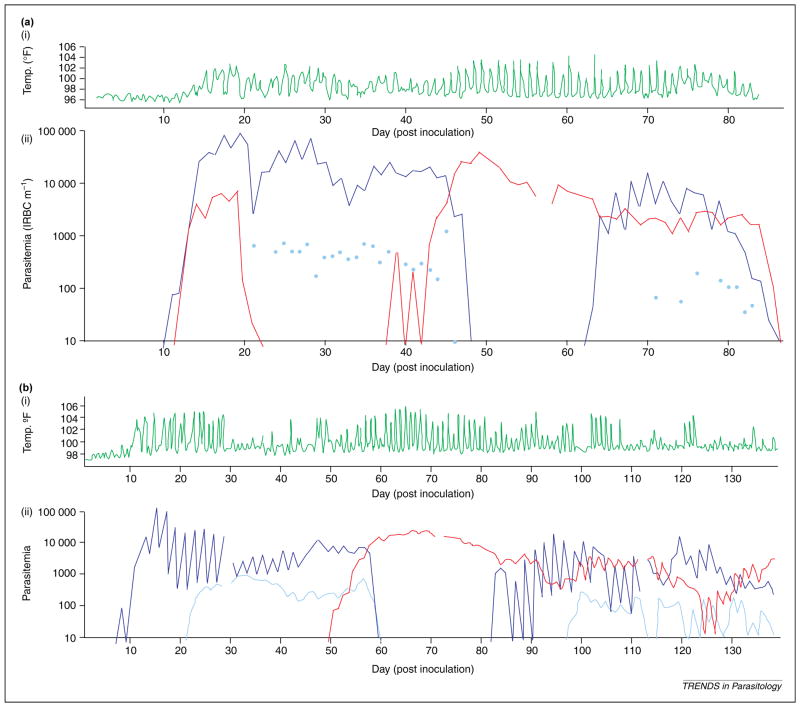
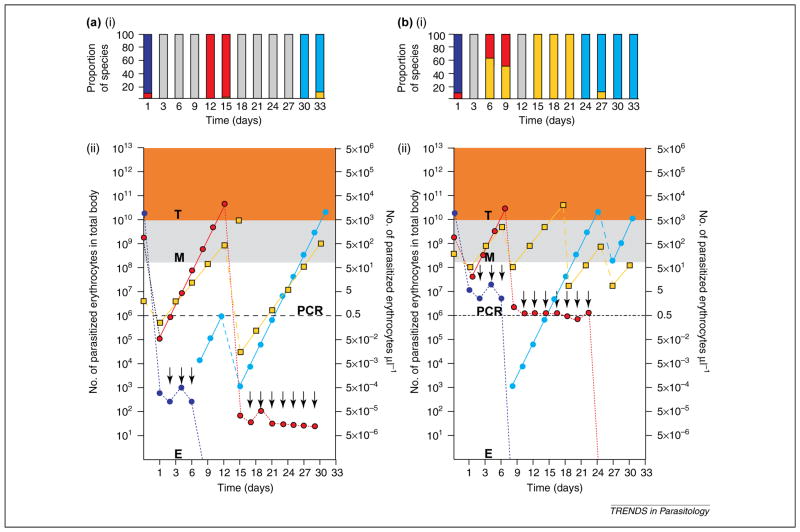
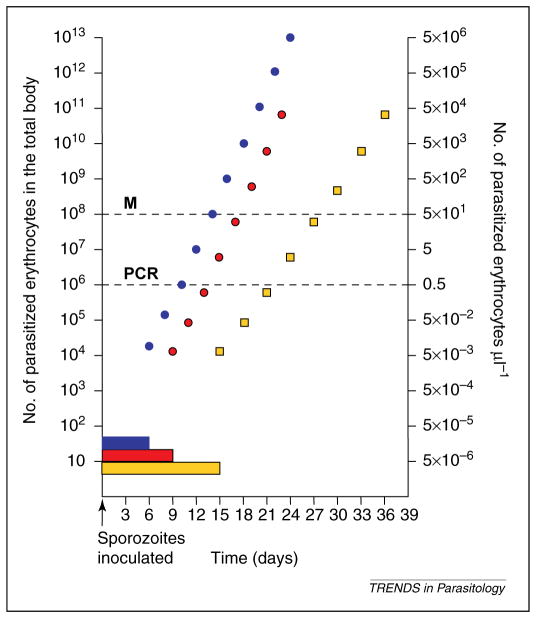
Four Plasmodium species cause malaria in humans. Most malaria-endemic regions feature mixed infections involving two or more of these species. Factors contributing to heterogeneous parasite species and disease distribution include differences in genetic polymorphisms underlying parasite drug resistance and host susceptibility, mosquito vector ecology and transmission seasonality. It is suggested that unknown factors limit mixed Plasmodium species infections, and that mixed-species infections protect against severe Plasmodium falciparum malaria. Careful examination of methods used to detect these parasites and interpretation of individual- and population-based data are necessary to understand the influence of mixed Plasmodium species infections on malarial disease. This should ensure that deployment of future antimalarial vaccines and drugs will be conducted in a safe and timely manner.
四种疟原虫可导致人类患疟疾。大多数疟疾流行地区的特点是存在两种或更多种这些疟原虫的混合感染。导致寄生虫种类和疾病分布不均的因素包括寄生虫耐药性和宿主易感性背后的基因多态性差异、蚊媒生态学以及传播季节性。有人认为,未知因素限制了疟原虫混合物种感染,而且混合物种感染可预防严重的恶性疟原虫疟疾。仔细检查用于检测这些寄生虫的方法以及对基于个体和群体的数据进行解读,对于了解疟原虫混合物种感染对疟疾疾病的影响至关重要。这应确保未来抗疟疫苗和药物的部署能够安全、及时地进行。