Müller Werner E G, Schröder Heinz C, Wiens Matthias, Perović-Ottstadt Sanja, Batel Renato, Müller Isabel M
Institut für Physiologische Chemie, Abteilung Angewandte Molekularbiologie, Universität, Duesbergweg 6, D-55099 Mainz; Germany.
Evid Based Complement Alternat Med. 2004 Sep 1;1(2):133-144. doi: 10.1093/ecam/neh030.
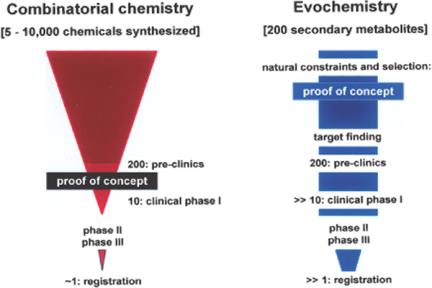
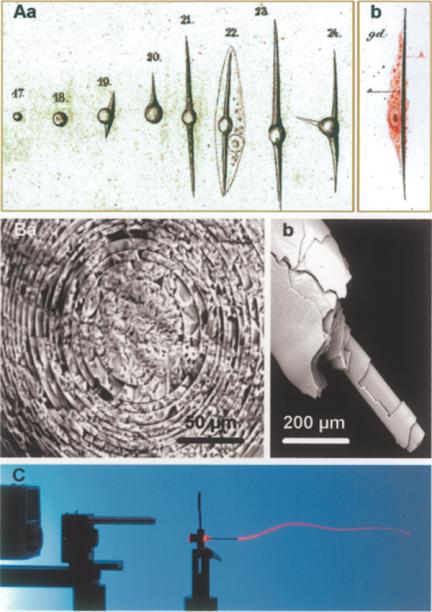
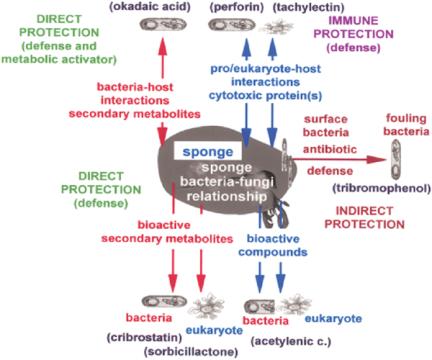
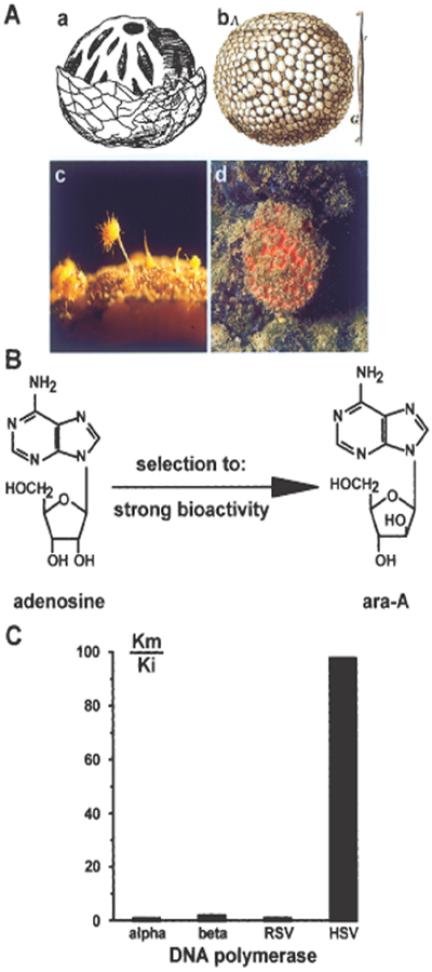
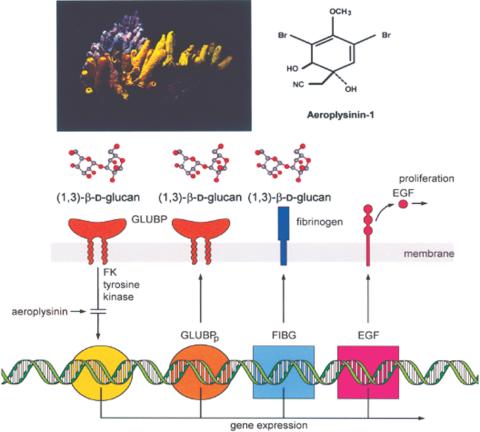
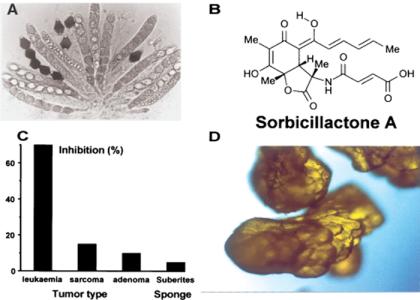
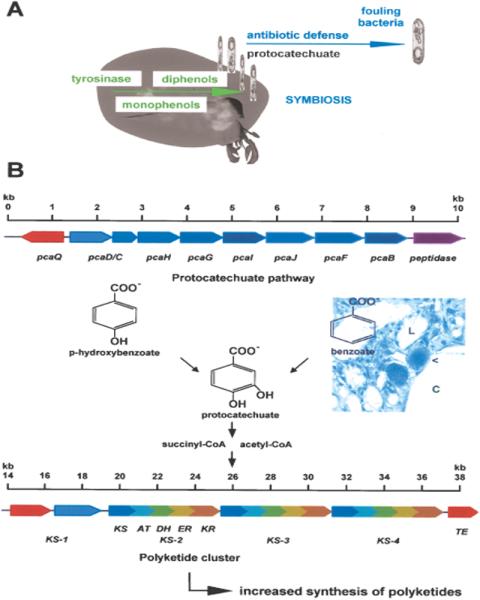
The progress in molecular and cell biology has enabled a rational exploitation of the natural resources of the secondary metabolites and biomaterials from sponges (phylum Porifera). It could be established that these natural substances are superior for biomedical application to those obtained by the traditional combinatorial chemical approach. It is now established that the basic structural and functional elements are highly conserved from sponges to the crown taxa within the Protostomia (Drosophila melanogaster and Caenorhabditis elegans) and Deuterostomia (human); therefore, it is obvious that the molecular etiology of diseases within the metazoan animals have a common basis. Hence, the major challenge for scientists studying natural product chemistry is to elucidate the target(s) of a given secondary metabolite, which is per se highly active and selective. After this step, the potential clinical application can be approached. The potential value of some selected secondary metabolites, all obtained from sponges and their associated microorganisms, is highlighted. Examples of compounds that are already in medical use (inhibition of tumor/virus growth [arabinofuranosyl cytosine and arabinofuranosyl adenine]), or are being considered as lead structures (acting as cytostatic and anti-inflammatory secondary metabolites [avarol/avarone], causing induction of apoptosis [sorbicillactone]) or as prototypes for the interference with metabolic pathways common in organisms ranging from sponges to humans (modulation of pathways activated by fungal components [aeroplysinin], inhibition of angiogenesis [2-methylthio-1,4-napthoquinone], immune modulating activity [FK506]) are discussed in this study. In addition, bioactive proteins from sponges are listed (antibacterial activity [pore-forming protein and tachylectin]). Finally, it is outlined that the skeletal elements-the spicules-serve as blueprints for new biomaterials, especially those based on biosilica, which might be applied in biomedicine. These compounds and biomaterials have been isolated/studied by members of the German Center of Excellence BIOTECmarin. The goal for the future is to successfully introduce some of these compounds in the treatment of human diseases in order to raise the public awareness on the richness and diversity of natural products, which should be sustainably exploited for human benefit.
分子与细胞生物学的进展使得人们能够合理开发海绵动物(多孔动物门)的次生代谢产物和生物材料的自然资源。现已证实,这些天然物质在生物医学应用方面优于通过传统组合化学方法获得的物质。目前已经确定,从海绵动物到原口动物(黑腹果蝇和秀丽隐杆线虫)以及后口动物(人类)的冠群分类中的基本结构和功能元件高度保守;因此,后生动物疾病的分子病因显然有共同的基础。因此, 研究天然产物化学的科学家面临的主要挑战是阐明特定次生代谢产物的靶点,这些次生代谢产物本身具有高活性和选择性。在这一步之后,就可以探讨其潜在的临床应用。本文重点介绍了一些从海绵动物及其相关微生物中获得的选定次生代谢产物的潜在价值。文中讨论了已用于医学的化合物(抑制肿瘤/病毒生长[阿糖胞苷和阿糖腺苷]),或被视为先导结构的化合物(作为细胞生长抑制剂和抗炎次生代谢产物[avarol/avarone],诱导细胞凋亡[sorbicillactone]),或作为干扰从海绵动物到人类等生物体中常见代谢途径的原型(调节由真菌成分激活的途径[气单胞菌素],抑制血管生成[2-甲硫基-1,4-萘醌],免疫调节活性[FK506])。此外,还列出了海绵动物的生物活性蛋白(抗菌活性[成孔蛋白和速激肽原])。最后,概述了骨骼元素——骨针——作为新型生物材料的蓝图,特别是基于生物二氧化硅的材料,这些材料可能应用于生物医学。这些化合物和生物材料已由德国卓越中心BIOTECmarin的成员分离/研究。未来的目标是成功地将其中一些化合物引入人类疾病的治疗,以提高公众对天然产物丰富性和多样性的认识,这些天然产物应可持续地开发以造福人类。