Paul James, Seib Rachael, Prescott Todd
Department of Anesthesia, Hamilton Health Sciences, Hamilton General Site, 237 Barton St East, Hamilton, ON L8L 2X2, Canada.
J Med Internet Res. 2005 Mar 16;7(1):e5. doi: 10.2196/jmir.7.1.e5.
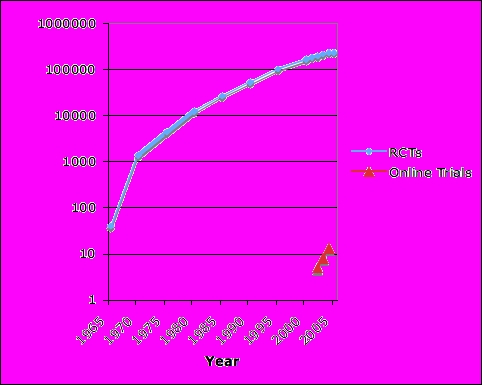
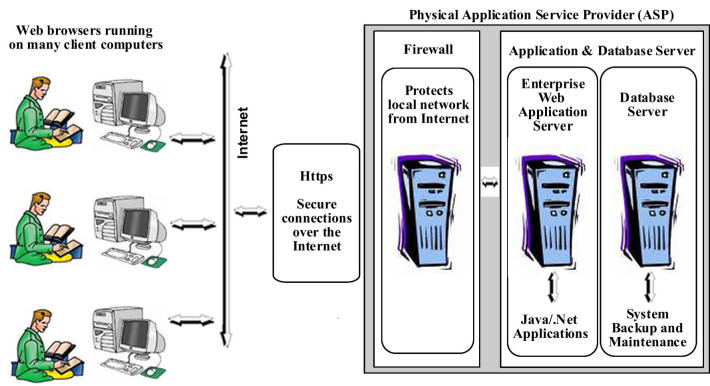
Both the Internet and clinical trials were significant developments in the latter half of the twentieth century: the Internet revolutionized global communications and the randomized controlled trial provided a means to conduct an unbiased comparison of two or more treatments. Large multicenter trials are often burdened with an extensive development time and considerable expense, as well as significant challenges in obtaining, backing up and analyzing large amounts of data. Alongside the increasing complexities of the modern clinical trial has grown the power of the Internet to improve communications, centralize and secure data as well as to distribute information. As more and more clinical trials are required to coordinate multiple trial processes in real time, centers are turning to the Internet for the tools to manage the components of a clinical trial, either in whole or in part, to produce lower costs and faster results. This paper reviews the historical development of the Internet and the randomized controlled trial, describes the Internet resources available that can be used in a clinical trial, reviews some examples of online trials and describes the advantages and disadvantages of using the Internet to conduct a clinical trial. We also extract the characteristics of the 5 largest clinical trials conducted using the Internet to date, which together enrolled over 26000 patients.
互联网和临床试验都是20世纪后半叶的重大发展:互联网彻底改变了全球通信,而随机对照试验提供了一种对两种或更多治疗方法进行无偏比较的手段。大型多中心试验往往负担着漫长的研发时间和巨额费用,以及在获取、备份和分析大量数据方面的重大挑战。随着现代临床试验的复杂性不断增加,互联网在改善通信、集中和保护数据以及分发信息方面的能力也在增强。由于越来越多的临床试验需要实时协调多个试验流程,各中心正转向互联网,寻求管理临床试验组成部分的工具,无论是全部还是部分,以降低成本并加快出结果。本文回顾了互联网和随机对照试验的历史发展,描述了可用于临床试验的互联网资源,回顾了一些在线试验的例子,并描述了利用互联网进行临床试验的优缺点。我们还提炼了迄今为止使用互联网进行的5项最大规模临床试验的特点,这些试验共招募了超过26000名患者。