Kimura Makoto T, Mori Takahiro, Conroy Jeffrey, Nowak Norma J, Satomi Susumu, Tamai Katsuyuki, Nagase Hiroki
Department of Cancer Genetics, Roswell Park Cancer Institute, Buffalo, New York 14263, USA.
Cancer Res. 2005 May 1;65(9):3548-54. doi: 10.1158/0008-5472.CAN-04-2149.
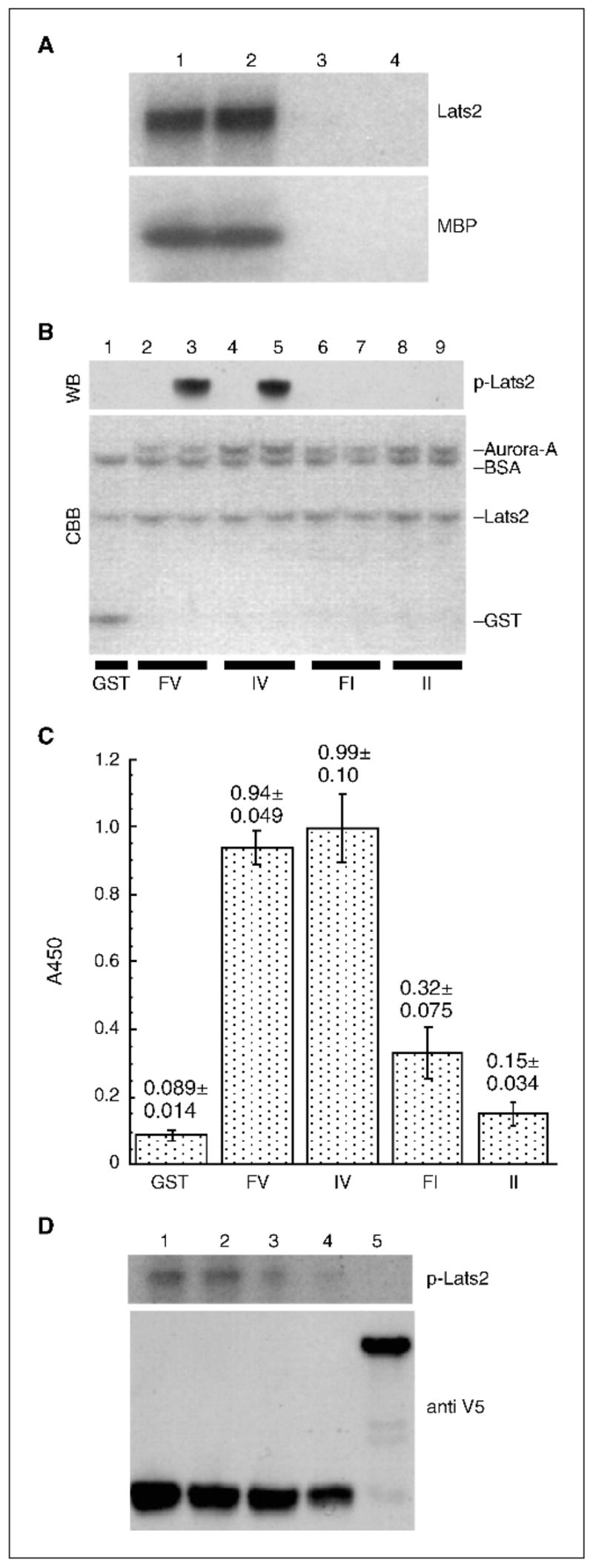
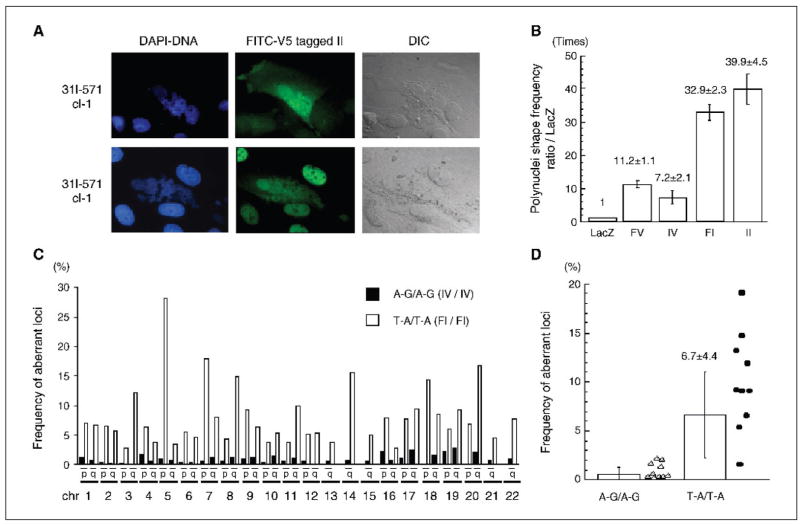
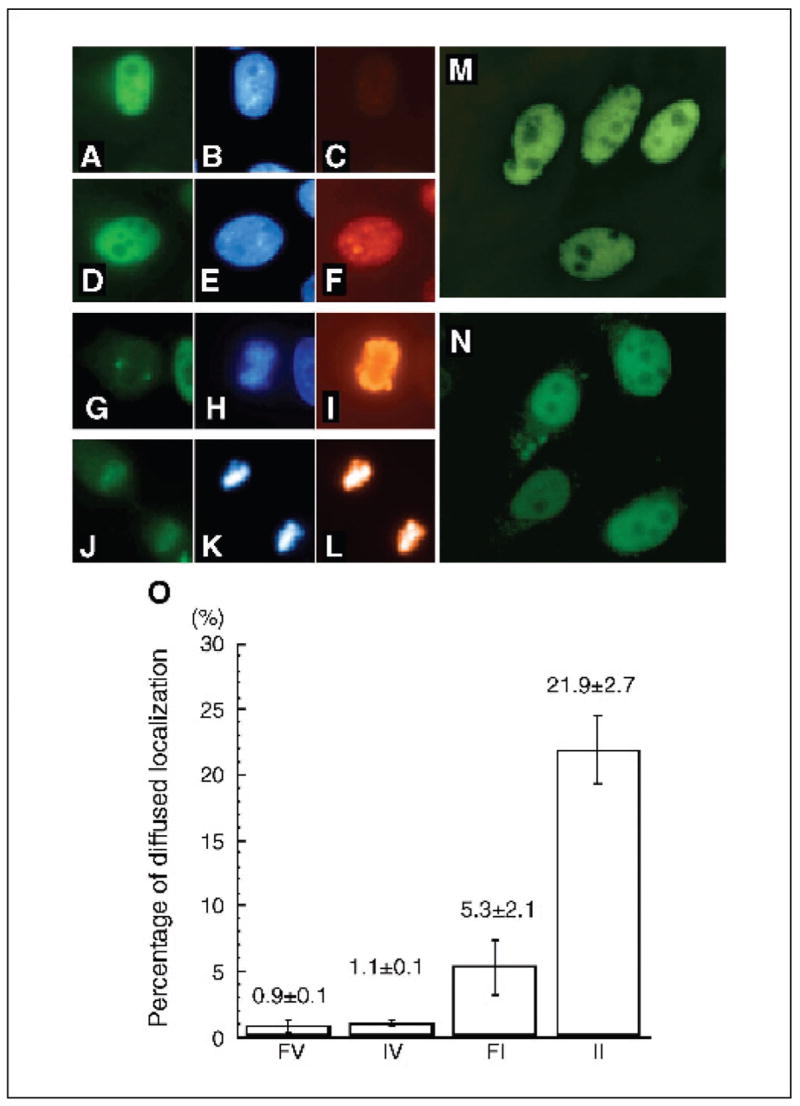
STK15/Aurora-A is a serine/threonine kinase essential for chromosome segregation and cytokinesis, and is considered to be a cancer susceptibility gene in mice and humans. Two coding single nucleotide polymorphisms in Aurora-A, 91T>A [phenylalanine/isoleucine (F/I)] and 169G>A [valine/isoleucine (V/I)], create four haplotypes, 91T-169G, 91A-169G, 91T-169A, and 91A-169A. We evaluated the association between these coding single nucleotide polymorphisms and esophageal cancer risk by genotyping 197 esophageal cancer cases and 146 controls. Haplotype 91A-169A (I31/I57) was observed to be statistically more frequent in cancer cases (odds ratio, 3.1452; 95% confidence interval, 1.0258-9.6435). Functional differences among the four isoforms were then analyzed to reveal the source of the cancer risk. Kinase activity levels of I31/I57 and F31/I57 were reduced to 15% and 40% compared with I31/V57 in vivo and in vitro. We considered the differences between the kinase activities and divided individuals into four categories of Aurora-A haplotype combination. Category I had 57.5% or less kinase activity compared with the most common category, category III, and had a significantly higher estimated cancer risk (odds ratio, 5.5328; 95% confidence interval, 1.8149-16.8671). Abnormal nuclear morphology, a characteristic of genomic instability, was observed to be 30 to 40 times more frequent in human immortalized fibroblast cells overexpressing I31/I57 or F31/I57 compared with the others. Furthermore, significantly higher levels of chromosomal instability were observed in cancers in category I (homozygote 91T-169A) than those in category III (homozygous 91A-169G). These results indicate that the less kinase active Aurora-A haplotype combinations might induce genomic instability and increase esophageal cancer risk either in a recessive or a dominant manner.
STK15/Aurora - A是一种丝氨酸/苏氨酸激酶,对染色体分离和胞质分裂至关重要,在小鼠和人类中被认为是一种癌症易感基因。Aurora - A基因存在两个编码单核苷酸多态性,即91T>A [苯丙氨酸/异亮氨酸(F/I)]和169G>A [缬氨酸/异亮氨酸(V/I)],形成了四种单倍型,91T - 169G、91A - 169G、91T - 169A和91A - 169A。我们通过对197例食管癌病例和146例对照进行基因分型,评估了这些编码单核苷酸多态性与食管癌风险之间的关联。观察到单倍型91A - 169A(I31/I57)在癌症病例中出现的频率在统计学上更高(优势比,3.1452;95%置信区间,1.0258 - 9.6435)。随后分析了四种异构体之间的功能差异,以揭示癌症风险的来源。与I31/V57相比,I31/I57和F31/I57在体内和体外的激酶活性水平分别降至15%和40%。我们根据激酶活性的差异将个体分为Aurora - A单倍型组合的四类。与最常见的III类相比,I类的激酶活性为57.5%或更低,且估计的癌症风险显著更高(优势比,5.5328;95%置信区间,1.8149 - 16.8671)。在过表达I31/I57或F31/I57的人类永生化成纤维细胞中,观察到基因组不稳定的特征——异常核形态,其出现频率比其他细胞高30至40倍。此外,在I类(纯合子91T - 169A)癌症中观察到的染色体不稳定性水平明显高于III类(纯合子91A - 169G)。这些结果表明,激酶活性较低的Aurora - A单倍型组合可能以隐性或显性方式诱导基因组不稳定并增加食管癌风险。