Juliano Rudy L, Dixit Vidula R, Kang Hyunmin, Kim Tai Young, Miyamoto Yuko, Xu Dong
Department of Pharmacology, University of North Carolina, Chapel Hill, NC 27599, USA.
J Cell Biol. 2005 Jun 20;169(6):847-57. doi: 10.1083/jcb.200501053.
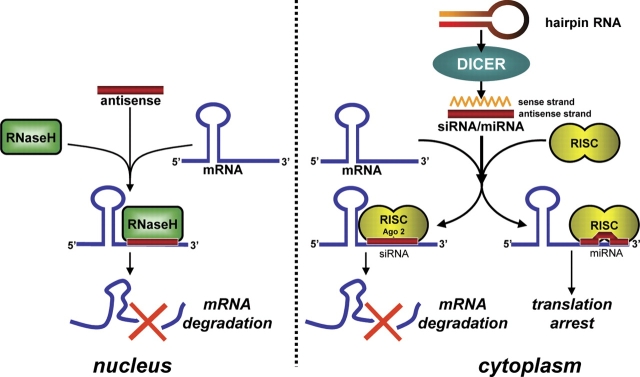
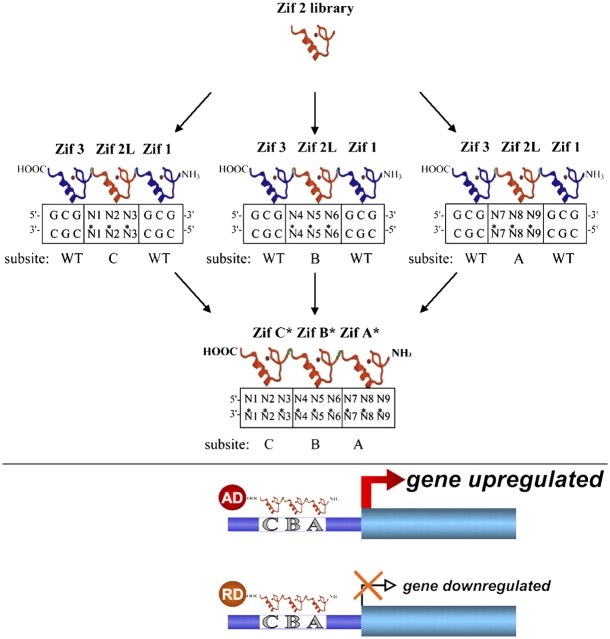
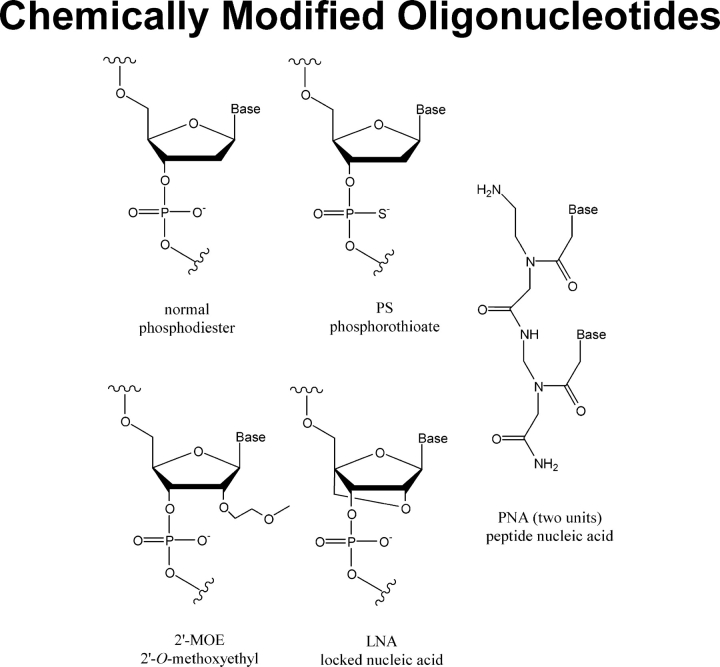
Cell biologists have been afforded extraordinary new opportunities for experimentation by the emergence of powerful technologies that allow the selective manipulation of gene expression. Currently, RNA interference is very much in the limelight; however, significant progress has also been made with two other approaches. Thus, antisense oligonucleotide technology is undergoing a resurgence as a result of improvements in the chemistry of these molecules, whereas designed transcription factors offer a powerful and increasingly convenient strategy for either up- or down-regulation of targeted genes. This mini-review will highlight some of the key features of these three approaches to gene regulation, as well as provide pragmatic guidance concerning their use in cell biological experimentation based on our direct experience with each of these technologies. The approaches discussed here are being intensely pursued in terms of possible therapeutic applications. However, we will restrict our comments primarily to the cell culture situation, only briefly alluding to fundamental differences between utilization in animals versus cells.
强大技术的出现为细胞生物学家提供了全新的、非凡的实验机会,这些技术能够对基因表达进行选择性操纵。目前,RNA干扰备受关注;然而,其他两种方法也取得了显著进展。因此,由于这些分子化学性质的改进,反义寡核苷酸技术正在复兴,而设计转录因子为上调或下调靶基因提供了一种强大且日益便捷的策略。本综述将重点介绍这三种基因调控方法的一些关键特征,并根据我们对这些技术的直接经验,为其在细胞生物学实验中的应用提供实用指导。这里讨论的方法正被积极探索其可能的治疗应用。然而,我们将主要把评论限制在细胞培养的情况下,仅简要提及在动物和细胞中应用的根本差异。