Woody Erik Z, Lewis Victoria, Snider Lisa, Grant Hilary, Kamath Markad, Szechtman Henry
Dept of Psychiatry, University of Waterloo, Waterloo, Ontario, Canada.
Behav Brain Funct. 2005 Jul 26;1:11. doi: 10.1186/1744-9081-1-11.
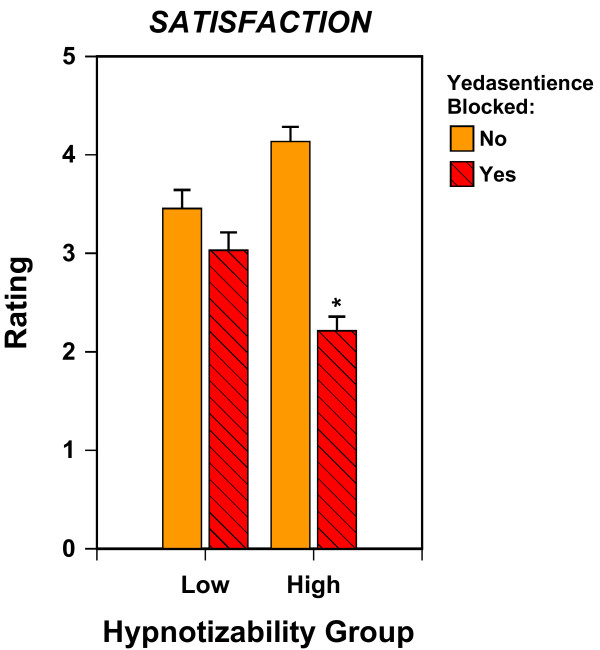
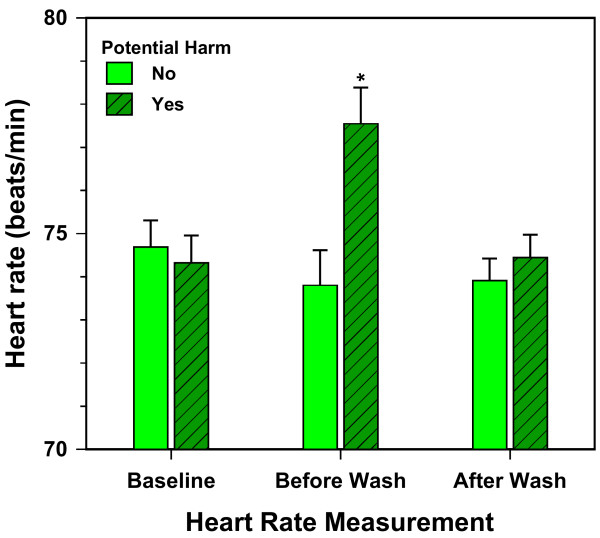
H. Szechtman and E. Woody (2004) hypothesized that obsessive-compulsive disorder results from a deficit in the feeling of knowing that normally terminates thoughts or actions elicited by security motivation. To test the plausibility of this proposed mechanism, an experiment was conducted to produce an analog of washing in obsessive-compulsive disorder by eliciting a scenario of potential harm and using hypnosis to block changes in internally generated feelings that would normally occur during washing.
Participants reacted with increased disgust, anxiety, and heart rate to their mental images of contamination and potential danger. As predicted, high but not low hypnotizable participants showed a significant prolongation of washing when change in feelings during washing was blocked hypnotically.
Results show that blocking the affective signal that is normally generated during security-related behaviors, such as washing, leads to prolonged performance of these behaviors. This finding lends support to the plausibility of the proposed model of obsessive-compulsive disorder.
H. 泽赫特曼和E. 伍迪(2004年)提出假设,认为强迫症是由于在正常情况下终止由安全动机引发的思维或行为的知晓感存在缺陷所致。为了检验这一提出的机制的合理性,进行了一项实验,通过引发潜在伤害的情景并使用催眠来阻断在正常洗涤过程中会出现的内在产生的感觉变化,从而制造出一种强迫症中洗涤行为的类似情况。
参与者对污染和潜在危险的心理意象产生了更强烈的厌恶、焦虑和心率反应。正如所预测的那样,当通过催眠阻断洗涤过程中的感觉变化时,高催眠易感性而非低催眠易感性的参与者表现出洗涤时间显著延长。
结果表明,阻断在诸如洗涤等与安全相关行为中正常产生的情感信号会导致这些行为的执行时间延长。这一发现支持了所提出的强迫症模型的合理性。