Mukherjee Biswajit, Ghosh Shampa, Das Tanushree, Doloi Manika
Department of Pharmaceutical Technology, Jadavpur University, Kolkata 700 032, India.
J Carcinog. 2005 Aug 10;4:12. doi: 10.1186/1477-3163-4-12.
Insulin-like-growth factor II (IGF II) has been implicated in the pathogenesis of neoplasm of different tissues, including liver of rats and men. This growth factor is believed to exert its effect during cellular proliferation. During the process of development of hepatocellular carcinoma (HCC), different hepatic altered foci appear. They are believed to be the putative precursors of HCC in rats and in men. Thus, to study the role of the gene in a defined model of hepatocarcinogenesis was the target to elucidate its role in various cancer phenotypes during the entire development stage of cancer, right from earlier preneoplastic lesions to HCC.
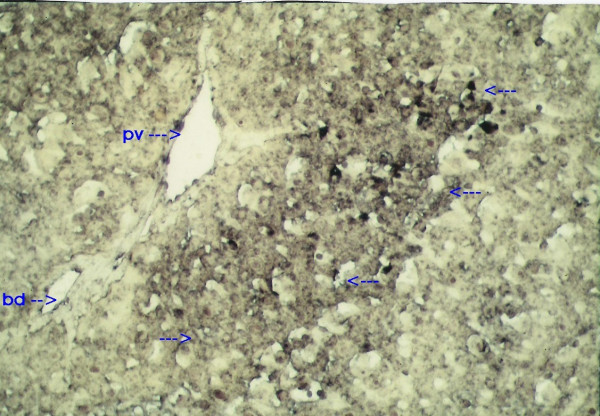
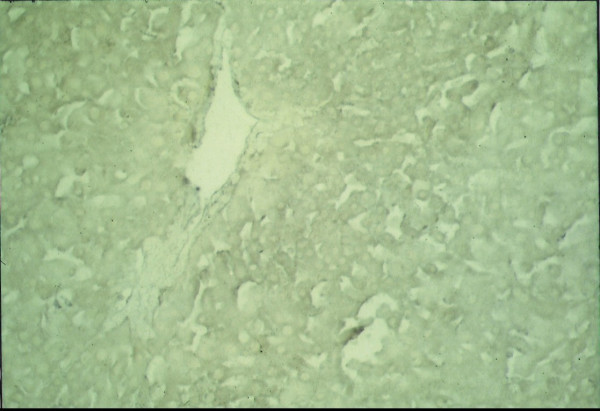
Antisense in situ hybridization technique was used here to characterize the type(s) of foci in which IGF II mRNA had expressed during the development of hepatocarcinogenesis-induced by diethylnitrosamine and promoted by phenobarbital in rats. Various focal lesions have been categorized depending on the stages and sizes along with IGF II expression patterns in them. Immunohistochemical detection for proliferating cell nuclear antigen (PCNA) was made to detect the role of the gene in preneoplastic and neoplastic cellular proliferation.
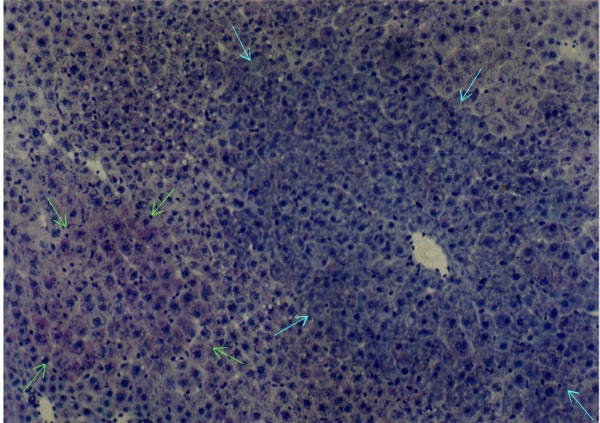
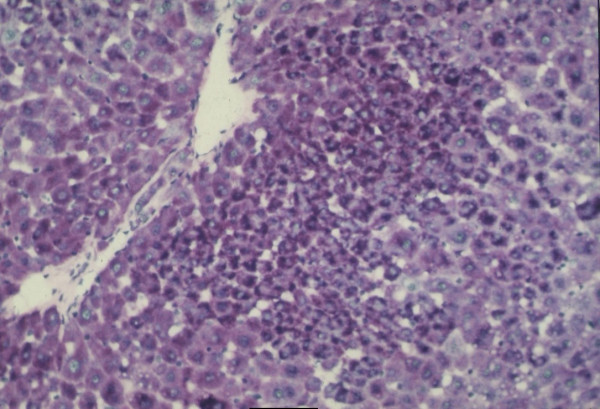
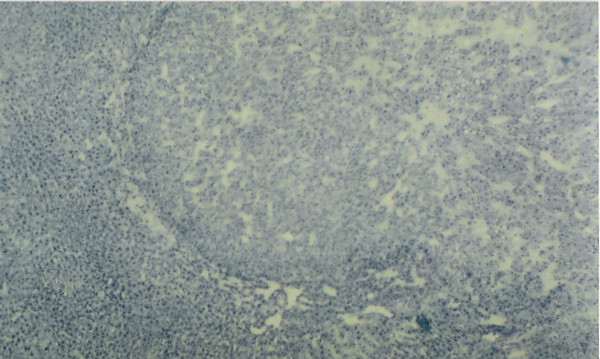
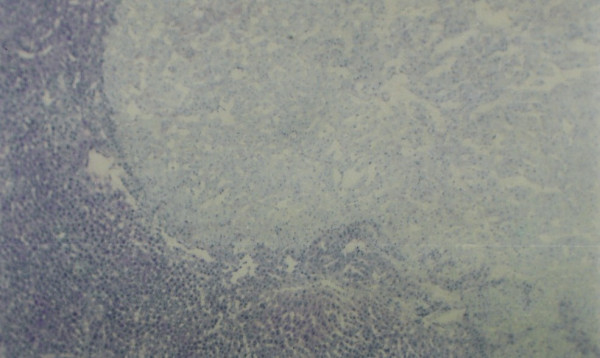
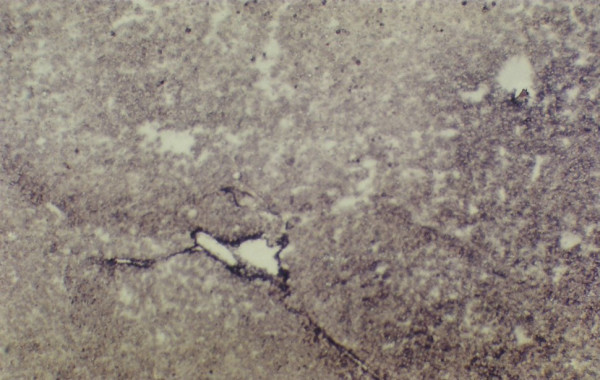
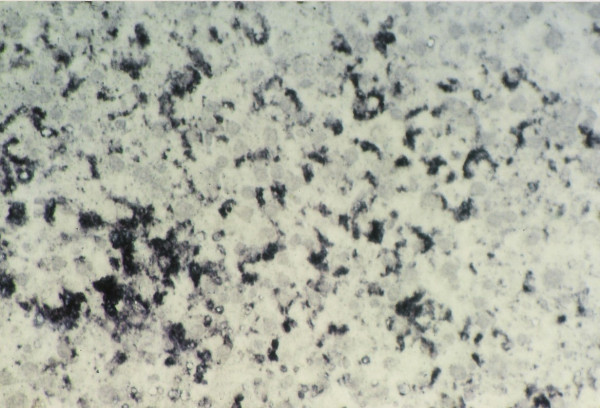
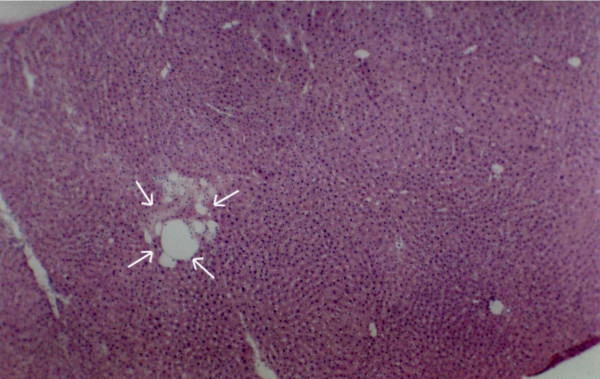
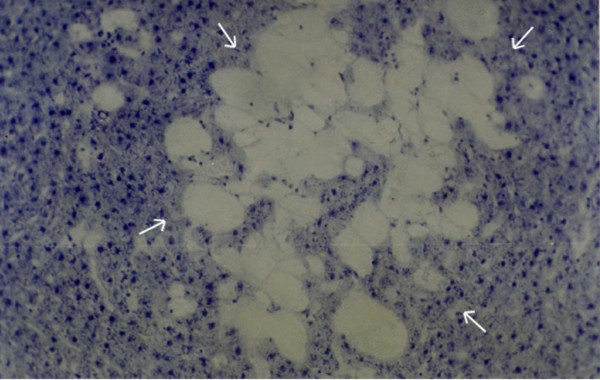
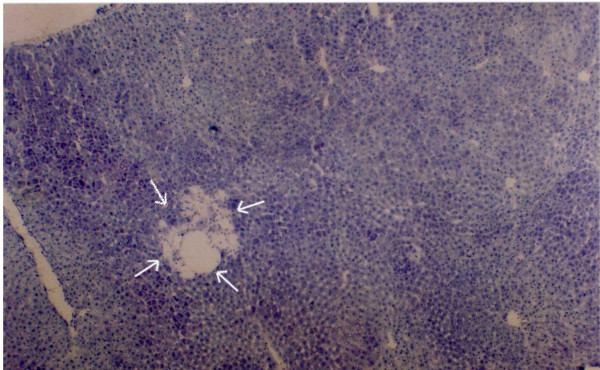
IGF II expression was located in the glycogen-storage acidophilic cell foci maximally followed by mixed cell lesions and the least in basophilic lesions. The expression of IGF II was found to be predominant in the HCC. The expression of gene was also located at the peripheral cells of spongiosis hepatis which are believed to be the precursor of ito cell carcinoma. It was noted that there is a direct correlation between IGF II expression and immunohistochemical detection for PCNA.
It may be concluded that IGF II gene expression plays an important role during the development of neoplasia and the gene expresses in the sequence of events leading from glycogen-rich-acidophilic lesions to glycogen poor basophilic lesions to HCC with an expression pattern of "high-low-high" in terms of degree of expression. Moreover, the essential role of the gene at the immediate initiation stage of carcinogenesis (first few weeks) and during HCC development cannot be ignored. Thus this expression can be used as a suitable marker for very early detection of the cancerous process and can save numbers of future cancer victims by very early detection of this disease.
胰岛素样生长因子II(IGF II)与包括大鼠和人类肝脏在内的不同组织的肿瘤发生机制有关。这种生长因子被认为在细胞增殖过程中发挥作用。在肝细胞癌(HCC)的发展过程中,会出现不同的肝脏病变灶。它们被认为是大鼠和人类HCC的假定前体。因此,在一个明确的肝癌发生模型中研究该基因的作用,旨在阐明其在癌症整个发展阶段(从早期癌前病变到HCC)各种癌症表型中的作用。
本研究采用反义原位杂交技术,对二乙基亚硝胺诱导、苯巴比妥促进的大鼠肝癌发生过程中表达IGF II mRNA的病变灶类型进行特征描述。根据病变阶段、大小以及其中IGF II的表达模式,对各种局灶性病变进行了分类。通过免疫组织化学检测增殖细胞核抗原(PCNA),以检测该基因在癌前和肿瘤细胞增殖中的作用。
IGF II表达主要位于糖原储存嗜酸性细胞灶,其次是混合细胞病变,在嗜碱性病变中最少。IGF II的表达在HCC中占主导地位。该基因的表达还位于肝海绵样变的周边细胞,这些细胞被认为是贮脂细胞癌的前体。值得注意的是,IGF II表达与PCNA的免疫组织化学检测之间存在直接相关性。
可以得出结论,IGF II基因表达在肿瘤形成过程中起重要作用,该基因在从富含糖原的嗜酸性病变到糖原缺乏的嗜碱性病变再到HCC的一系列事件中表达,表达程度呈 “高 - 低 - 高” 模式。此外,该基因在致癌作用起始阶段(最初几周)和HCC发展过程中的重要作用不容忽视。因此,这种表达可作为癌症进程早期检测的合适标志物,通过早期检测该疾病可挽救许多未来的癌症患者。