Key Laboratory of Laparoscopic Technology of Zhejiang Province, Department of General Surgery, Sir Run-Run Shaw Hospital, Zhejiang University School of Medicine, Hangzhou, 310016, China.
National Engineering Research Center of Innovation and Application of Minimally Invasive Instruments, Hangzhou, 310016, China.
Mol Biomed. 2024 May 31;5(1):20. doi: 10.1186/s43556-024-00184-0.
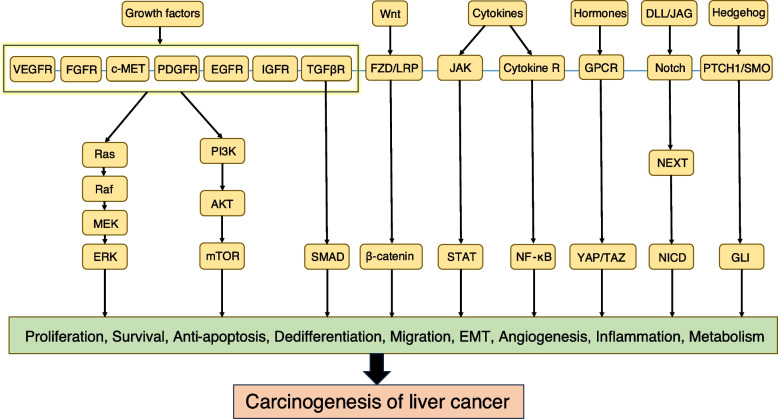
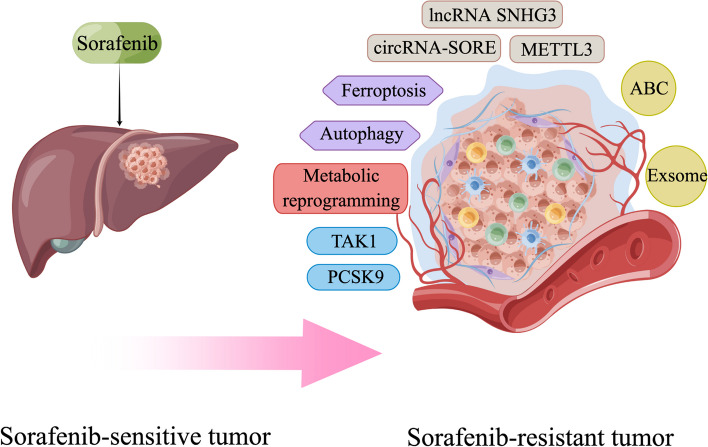
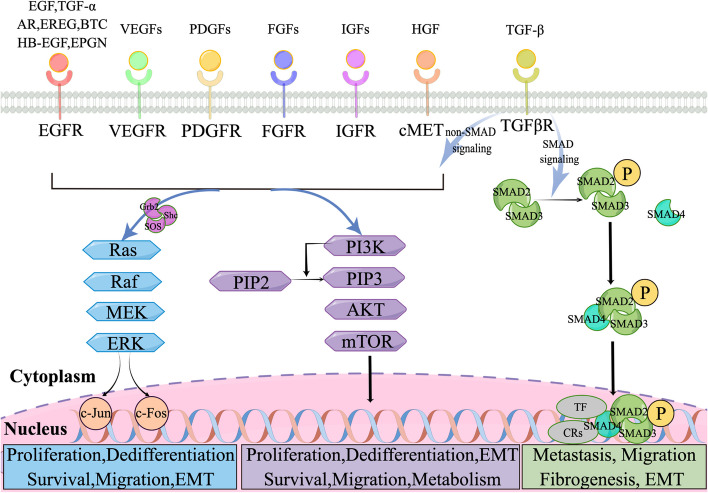
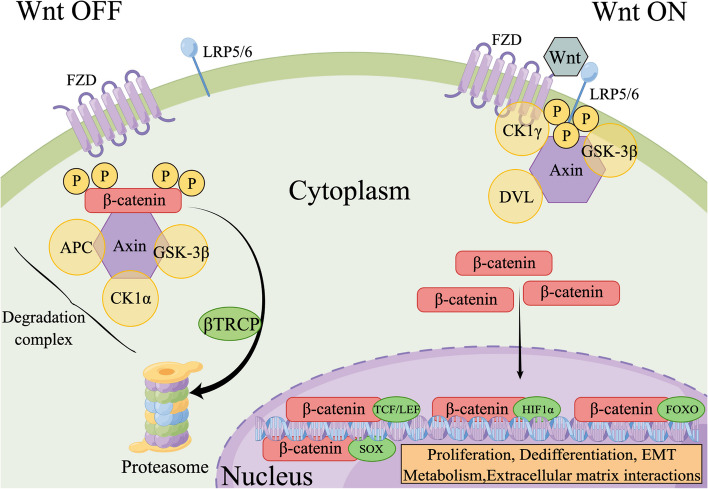
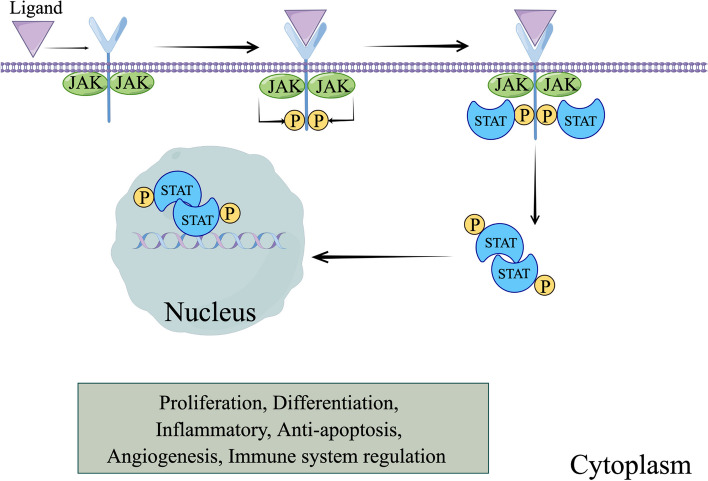
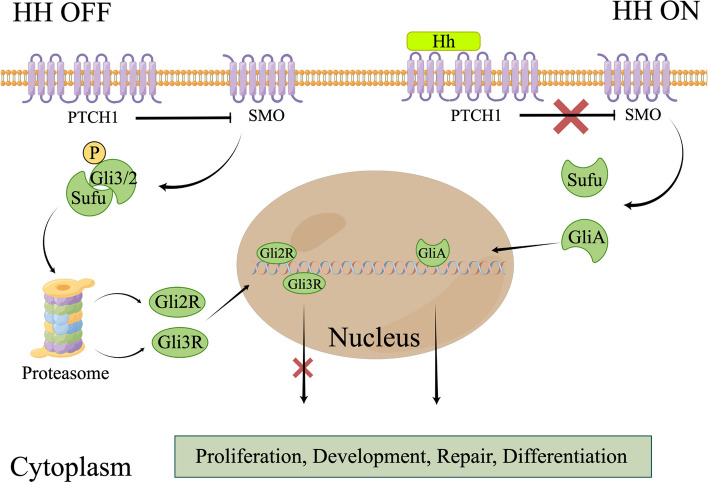
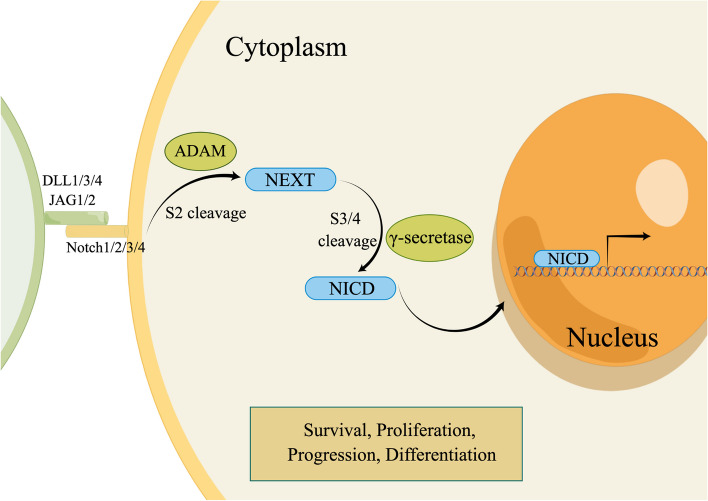
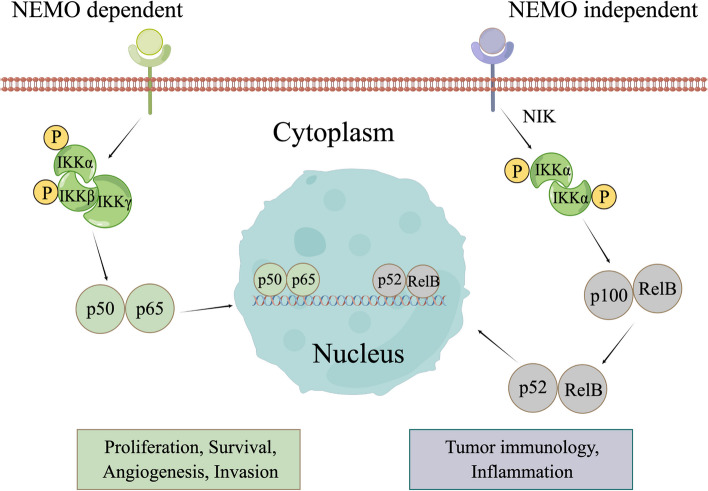
Liver cancer remains one of the most prevalent malignancies worldwide with high incidence and mortality rates. Due to its subtle onset, liver cancer is commonly diagnosed at a late stage when surgical interventions are no longer feasible. This situation highlights the critical role of systemic treatments, including targeted therapies, in bettering patient outcomes. Despite numerous studies on the mechanisms underlying liver cancer, tyrosine kinase inhibitors (TKIs) are the only widely used clinical inhibitors, represented by sorafenib, whose clinical application is greatly limited by the phenomenon of drug resistance. Here we show an in-depth discussion of the signaling pathways frequently implicated in liver cancer pathogenesis and the inhibitors targeting these pathways under investigation or already in use in the management of advanced liver cancer. We elucidate the oncogenic roles of these pathways in liver cancer especially hepatocellular carcinoma (HCC), as well as the current state of research on inhibitors respectively. Given that TKIs represent the sole class of targeted therapeutics for liver cancer employed in clinical practice, we have particularly focused on TKIs and the mechanisms of the commonly encountered phenomena of its resistance during HCC treatment. This necessitates the imperative development of innovative targeted strategies and the urgency of overcoming the existing limitations. This review endeavors to shed light on the utilization of targeted therapy in advanced liver cancer, with a vision to improve the unsatisfactory prognostic outlook for those patients.
肝癌仍然是全球最常见的恶性肿瘤之一,发病率和死亡率都很高。由于其发病隐匿,肝癌通常在晚期才被诊断出来,此时手术干预已不再可行。这种情况凸显了系统治疗的关键作用,包括靶向治疗,以改善患者的预后。尽管有许多关于肝癌发病机制的研究,但酪氨酸激酶抑制剂(TKI)是唯一广泛应用的临床抑制剂,以索拉非尼为代表,但其临床应用受到耐药现象的极大限制。在这里,我们深入讨论了经常涉及肝癌发病机制的信号通路,以及针对这些通路的抑制剂的研究进展或已在晚期肝癌管理中应用。我们阐明了这些通路在肝癌特别是肝细胞癌(HCC)中的致癌作用,以及针对这些抑制剂的研究现状。鉴于 TKI 是肝癌临床实践中唯一使用的靶向治疗药物类别,我们特别关注 TKI 以及在 HCC 治疗过程中其常见耐药现象的机制。这就需要迫切开发创新的靶向策略,并迫切需要克服现有的局限性。本综述旨在探讨靶向治疗在晚期肝癌中的应用,以期改善此类患者预后不佳的现状。