Otto Helge, Reche Pedro A, Bazan Fernando, Dittmar Katharina, Haag Friedrich, Koch-Nolte Friedrich
Institute of Immunology, University Hospital Hamburg-Eppendorf, Germany.
BMC Genomics. 2005 Oct 4;6:139. doi: 10.1186/1471-2164-6-139.
ADP-ribosylation is an enzyme-catalyzed posttranslational protein modification in which mono(ADP-ribosyl)transferases (mARTs) and poly(ADP-ribosyl)transferases (pARTs) transfer the ADP-ribose moiety from NAD onto specific amino acid side chains and/or ADP-ribose units on target proteins.
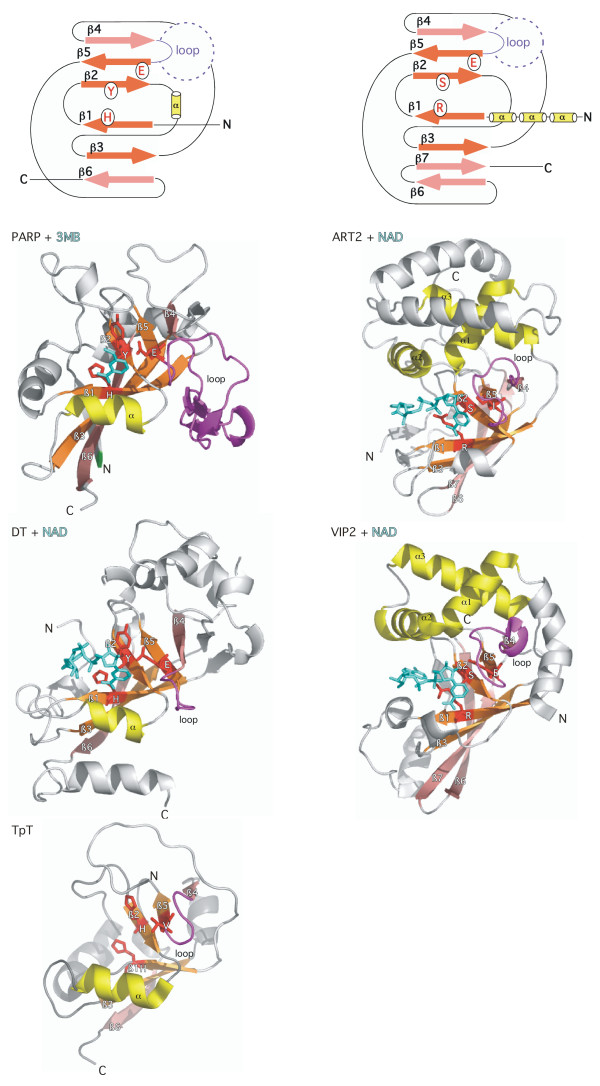
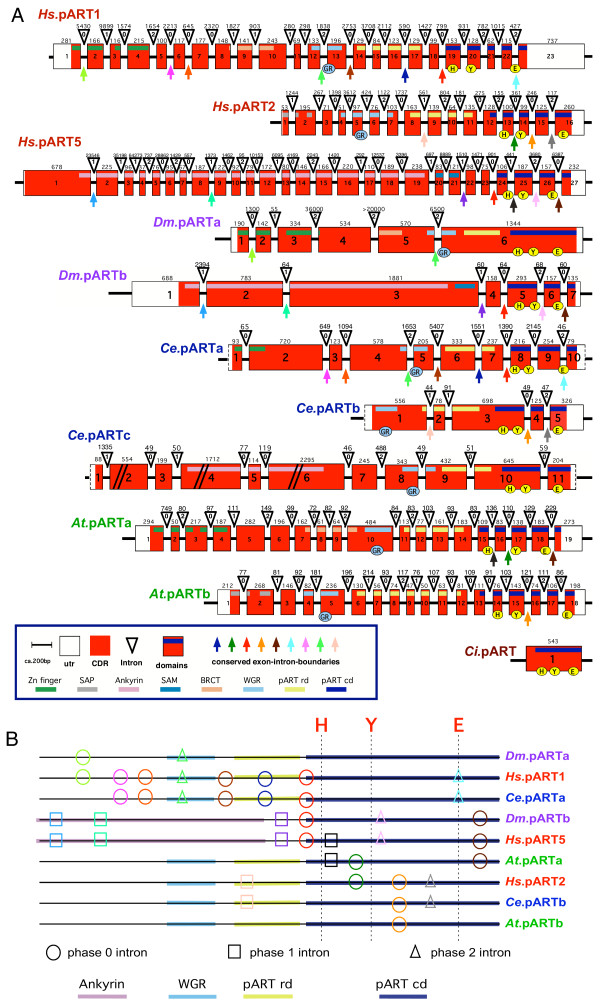
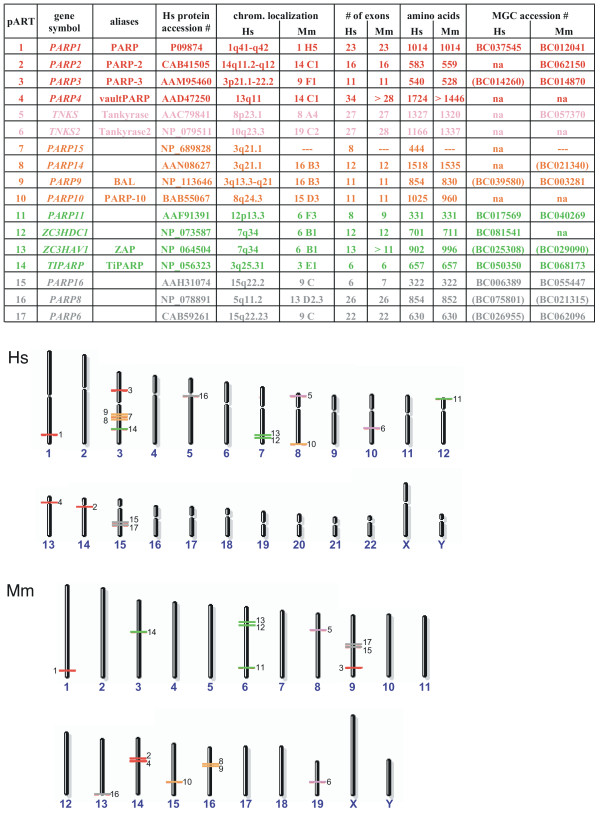
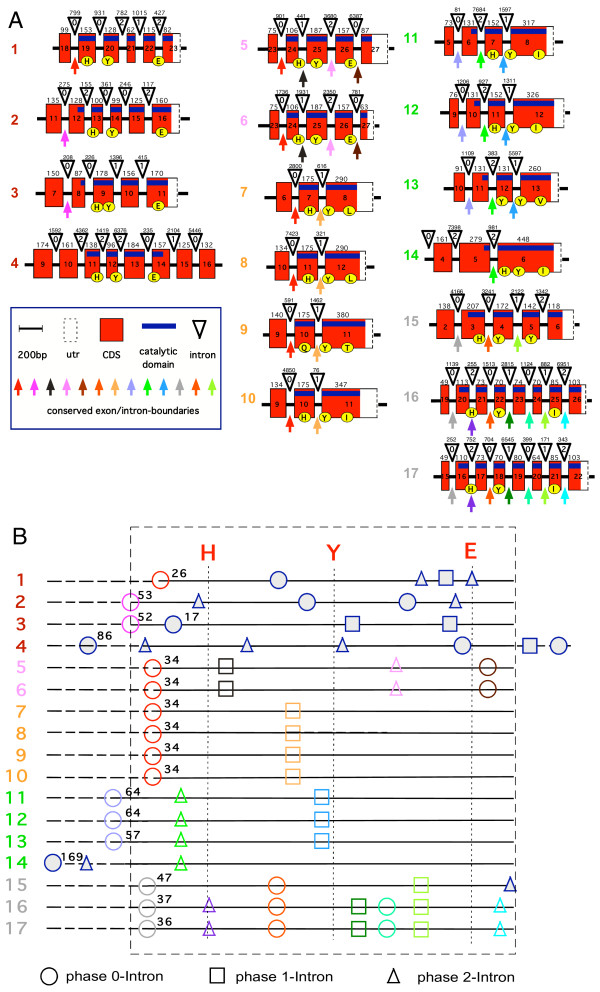
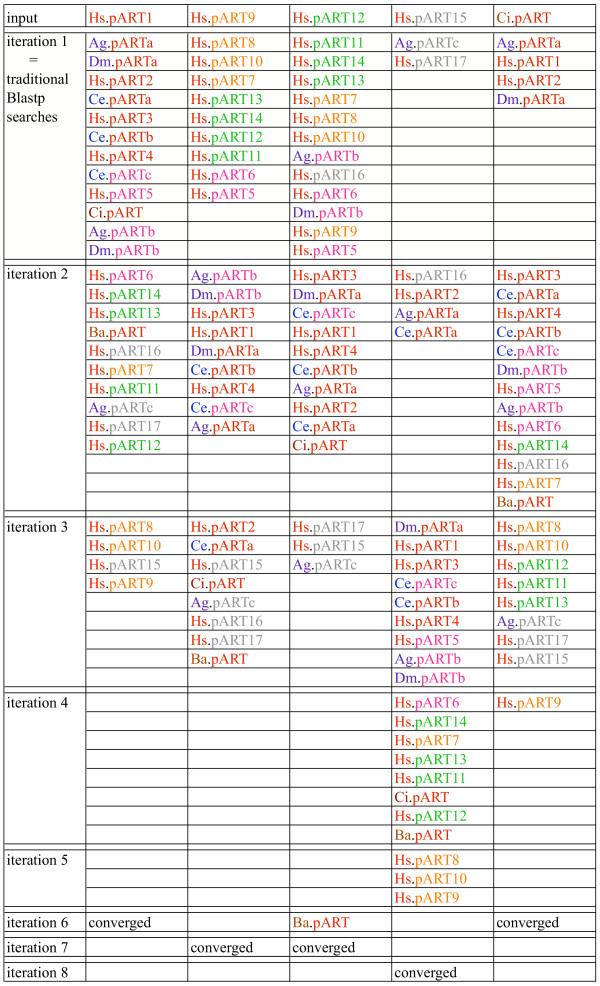
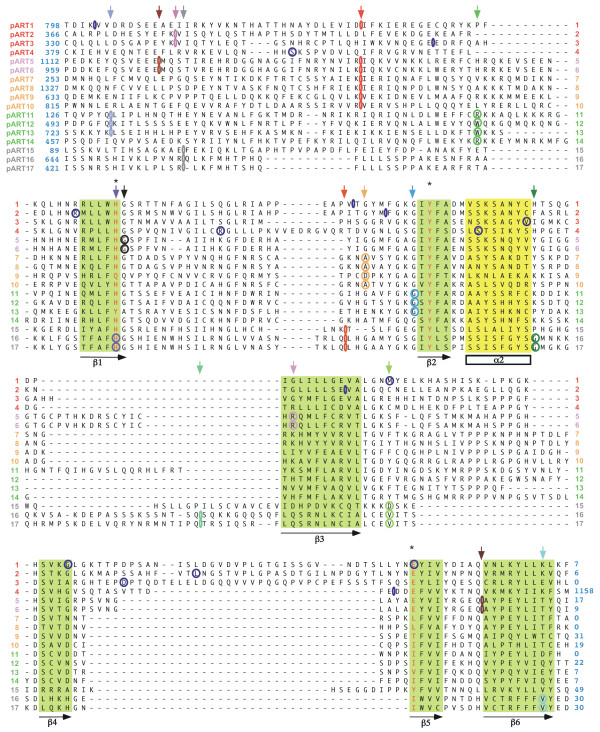
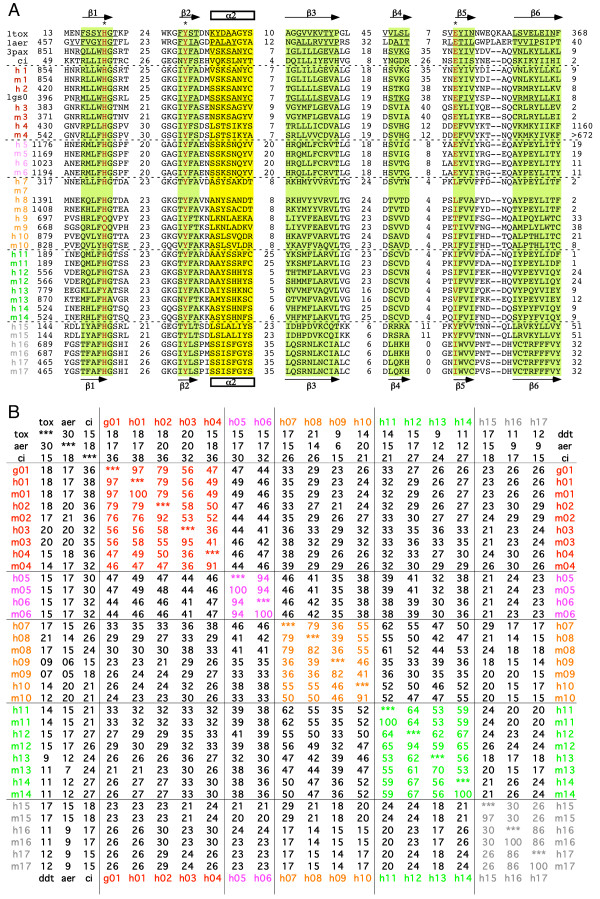
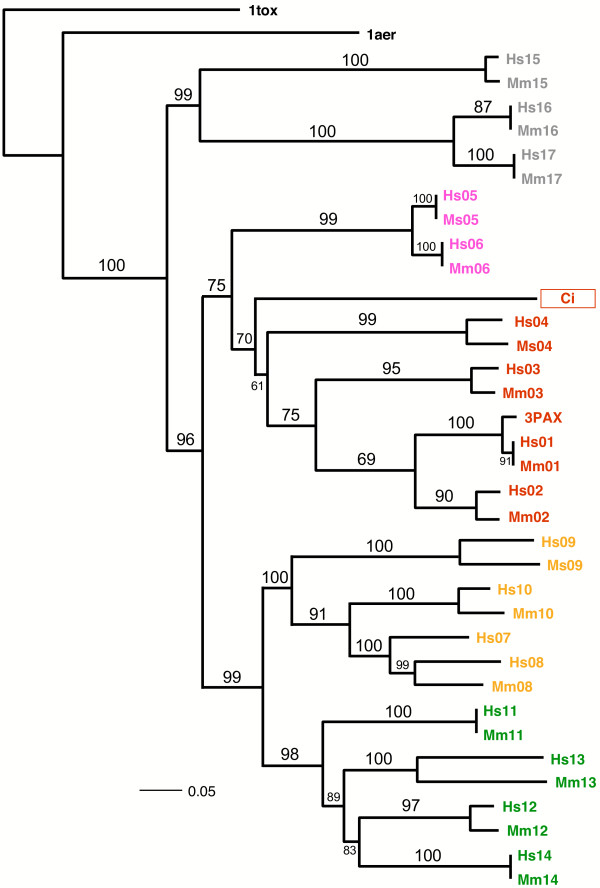
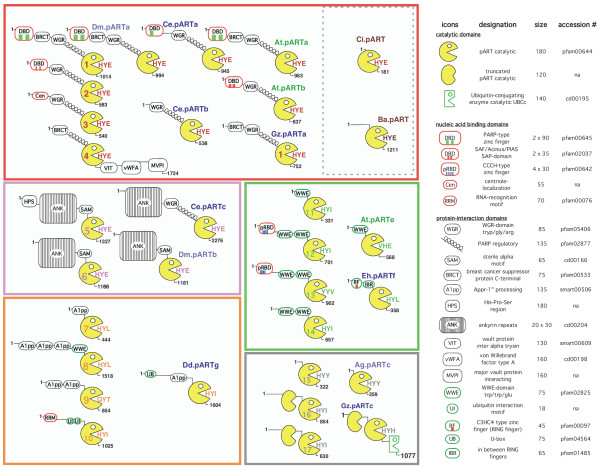
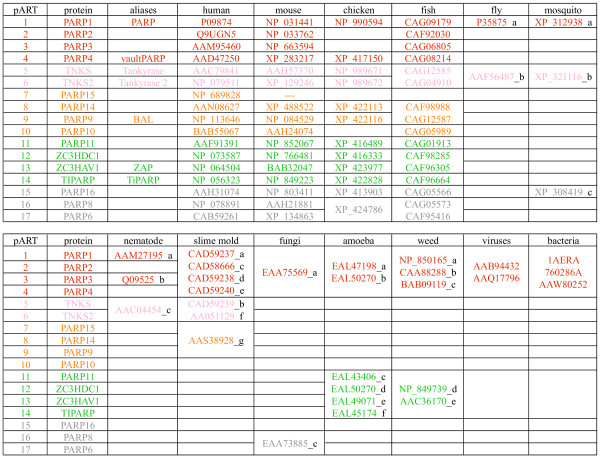
Using a combination of database search tools we identified the genes encoding recognizable pART domains in the public genome databases. In humans, the pART family encompasses 17 members. For 16 of these genes, an orthologue exists also in the mouse, rat, and pufferfish. Based on the degree of amino acid sequence similarity in the catalytic domain, conserved intron positions, and fused protein domains, pARTs can be divided into five major subgroups. All six members of groups 1 and 2 contain the H-Y-E trias of amino acid residues found also in the active sites of Diphtheria toxin and Pseudomonas exotoxin A, while the eleven members of groups 3 - 5 carry variations of this motif. The pART catalytic domain is found associated in Lego-like fashion with a variety of domains, including nucleic acid-binding, protein-protein interaction, and ubiquitylation domains. Some of these domain associations appear to be very ancient since they are observed also in insects, fungi, amoebae, and plants. The recently completed genome of the pufferfish T. nigroviridis contains recognizable orthologues for all pARTs except for pART7. The nearly completed albeit still fragmentary chicken genome contains recognizable orthologues for twelve pARTs. Simpler eucaryotes generally contain fewer pARTs: two in the fly D. melanogaster, three each in the mosquito A. gambiae, the nematode C. elegans, and the ascomycete microfungus G. zeae, six in the amoeba E. histolytica, nine in the slime mold D. discoideum, and ten in the cress plant A. thaliana. GenBank contains two pART homologues from the large double stranded DNA viruses Chilo iridescent virus and Bacteriophage Aeh1 and only a single entry (from V. cholerae) showing recognizable homology to the pART-like catalytic domains of Diphtheria toxin and Pseudomonas exotoxin A.
The pART family, which encompasses 17 members in the human and 16 members in the mouse, can be divided into five subgroups on the basis of sequence similarity, phylogeny, conserved intron positions, and patterns of genetically fused protein domains.
ADP核糖基化是一种酶催化的蛋白质翻译后修饰,其中单(ADP-核糖基)转移酶(mARTs)和多(ADP-核糖基)转移酶(pARTs)将ADP-核糖部分从NAD转移到靶蛋白上特定的氨基酸侧链和/或ADP-核糖单元上。
我们使用数据库搜索工具组合在公共基因组数据库中鉴定了编码可识别的pART结构域的基因。在人类中,pART家族包含17个成员。其中16个基因在小鼠、大鼠和河豚中也存在直系同源物。根据催化结构域中氨基酸序列相似性的程度、保守的内含子位置和融合蛋白结构域,pARTs可分为五个主要亚组。第1组和第2组的所有六个成员都含有在白喉毒素和铜绿假单胞菌外毒素A的活性位点中也发现的H-Y-E三联氨基酸残基,而第3 - 5组的11个成员携带该基序的变体。pART催化结构域以类似乐高积木的方式与多种结构域相关联,包括核酸结合、蛋白质-蛋白质相互作用和泛素化结构域。其中一些结构域关联似乎非常古老,因为在昆虫、真菌、变形虫和植物中也观察到了它们。最近完成的河豚黑青斑河鲀基因组除了pART7外,包含所有pART的可识别直系同源物。几乎完成但仍然不完整的鸡基因组包含12个pART的可识别直系同源物。较简单的真核生物通常含有较少的pART:果蝇中有两个,冈比亚按蚊、秀丽隐杆线虫和玉米赤霉菌中各有三个,溶组织内阿米巴中六个,盘基网柄菌中九个,拟南芥中十个。GenBank包含来自大双链DNA病毒稻纵卷叶螟虹彩病毒和噬菌体Aeh1的两个pART同源物,并且只有一个条目(来自霍乱弧菌)显示出与白喉毒素和铜绿假单胞菌外毒素A的pART样催化结构域有可识别的同源性。
pART家族在人类中有17个成员,在小鼠中有16个成员,可根据序列相似性、系统发育、保守内含子位置和基因融合蛋白结构域的模式分为五个亚组。