Li Chang Long, Coullin Philippe, Bernheim Alain, Joliot Véronique, Auffray Charles, Zoroob Rima, Perbal Bernard
Laboratoire d'Oncologie Virale et Moléculaire, Case 7048, UFR de Biochimie, 2 place Jussieu, Université Paris 7 D, Diderot, 75005 Paris, France.
Cell Commun Signal. 2006 Jan 10;4:1. doi: 10.1186/1478-811X-4-1.
Myeloblastosis Associated Virus type 1 (N) [MAV 1(N)] induces specifically nephroblastomas in 8-10 weeks when injected to newborn chicken. The MAV-induced nephroblastomas constitute a unique animal model of the pediatric Wilms' tumor. We have made use of three independent nephroblastomas that represent increasing tumor grades, to identify the host DNA regions in which MAV proviral sequences were integrated.
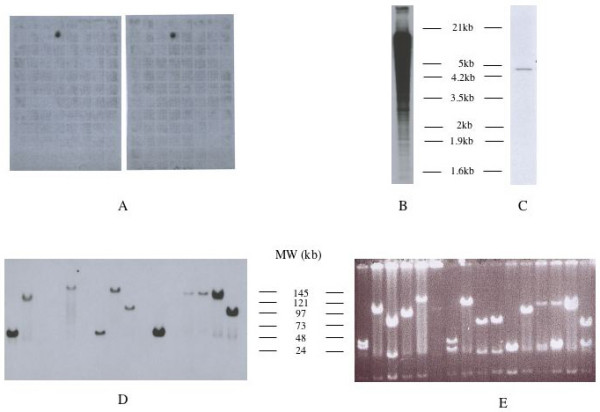
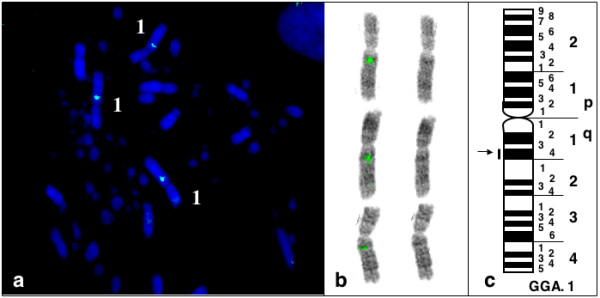
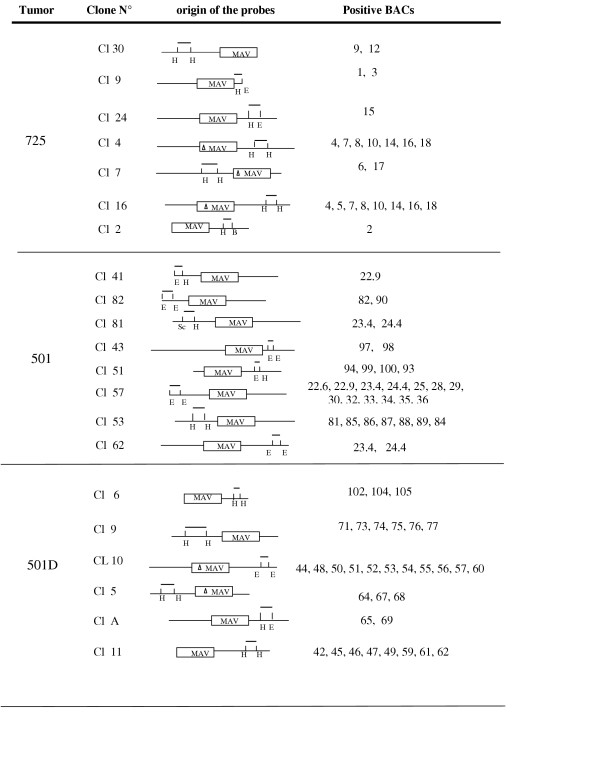
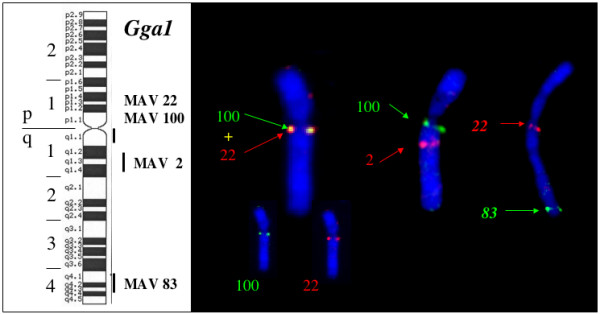
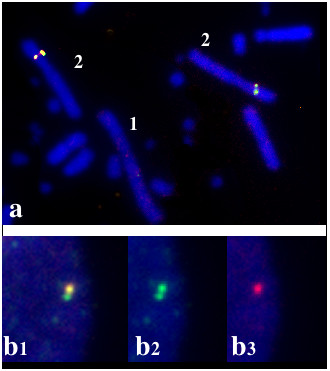
Cellular sequences localized next to MAV-integration sites in the tumor DNAs were used to screen a Bacterial Artificial Chromosomes (BACs) library and isolate BACs containing about 150 kilobases of normal DNA corresponding to MAV integration regions (MIRs). These BACs were mapped on the chicken chromosomes by Fluorescent In Situ Hybridization (FISH) and used for molecular studies.
The different MAV integration sites that were conserved after tumor cell selection identify genes involved in the control of cell signaling and proliferation. Syntenic fragments in human DNA contain genes whose products have been involved in normal and pathological kidney development, and several oncogenes responsible for tumorigenesis in human.
The identification of putative target genes for MAV provides important clues for the understanding of the MAV pathogenic potential. These studies identified ADAMTS1 as a gene upregulated in MAV-induced nephroblastoma and established that ccn3/nov is not a preferential site of integration for MAV as previously thought. The present results support our hypothesis that the highly efficient and specific MAV-induced tumorigenesis results from the alteration of multiple target genes in differentiating blastemal cells, some of which are required for the progression to highly aggressive stages. This study reinforces our previous conclusions that the MAV-induced nephroblastoma constitutes an excellent model in which to characterize new potential oncogenes and tumor suppressors involved in the establishment and maintenance of tumors.
1型成髓细胞瘤相关病毒(N)[MAV 1(N)]在注射到新生鸡体内8至10周时可特异性诱发肾母细胞瘤。MAV诱导的肾母细胞瘤构成了小儿肾母细胞瘤的独特动物模型。我们利用了三个代表肿瘤分级增加的独立肾母细胞瘤,以鉴定MAV前病毒序列整合其中的宿主DNA区域。
肿瘤DNA中MAV整合位点旁的细胞序列用于筛选细菌人工染色体(BAC)文库,并分离出包含约150千碱基对应于MAV整合区域(MIR)的正常DNA的BAC。通过荧光原位杂交(FISH)将这些BAC定位在鸡染色体上,并用于分子研究。
肿瘤细胞选择后保守的不同MAV整合位点鉴定出参与细胞信号传导和增殖控制的基因。人类DNA中的同线片段包含其产物参与正常和病理性肾脏发育的基因,以及一些导致人类肿瘤发生的癌基因。
MAV推定靶基因的鉴定为理解MAV致病潜力提供了重要线索。这些研究确定ADAMTS1是MAV诱导的肾母细胞瘤中上调的基因,并确定ccn3/nov并非如先前认为的那样是MAV优先整合的位点。目前的结果支持我们的假设,即高效且特异性的MAV诱导的肿瘤发生是由于分化中的胚基细胞中多个靶基因的改变,其中一些基因是进展到高度侵袭性阶段所必需的。本研究强化了我们之前的结论,即MAV诱导的肾母细胞瘤构成了一个极好的模型,可用于表征参与肿瘤发生和维持的新的潜在癌基因和肿瘤抑制基因。