Bailey A M, Mena G L, Herrera-Estrella L
CINVESTAV, IPN, U-Irapuato, Department of Genetic Engineering, Mexico.
Nucleic Acids Res. 1991 Aug 11;19(15):4273-8. doi: 10.1093/nar/19.15.4273.
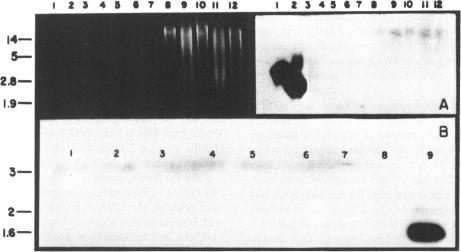
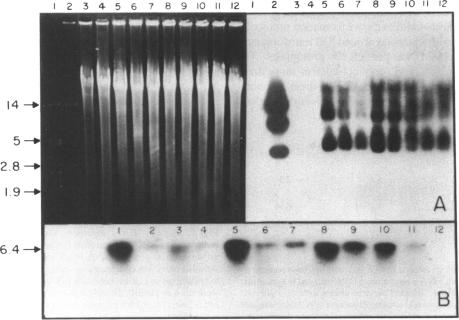
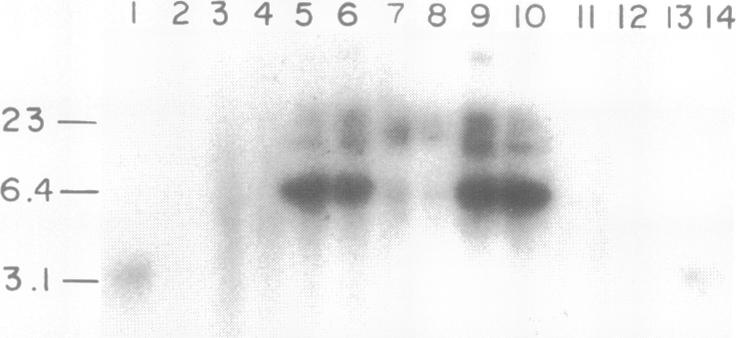
Phytophthora capsici and P.parasitica were transformed to hygromycin B resistance using plasmids pCM54 and pHL1, which contain the bacterial hygromycin B phosphotransferase gene (hph) fused to promoter elements of the Ustilago maydis heat shock hsp70 gene. Enzymes Driselase and Novozyme 234 were used to generate protoplasts which were then transformed following exposure to plasmid DNA and polyethylene glycol 6000. Transformation frequencies of over 500 transformants per micrograms of DNA per 1 x 10(6) protoplasts were obtained. Plasmid pCM54 appears to be transmitted in Phytophthora spp. as an extra-chromosomal element through replication, as shown by Southern blot hybridization and by the loss of plasmid methylation. In addition, transformed strains retained their capacity of infecting Serrano pepper seedlings and Mc. Intosh apple fruits, the host plants for P.capsici and P.parasitica, respectively.
利用质粒pCM54和pHL1将辣椒疫霉和寄生疫霉转化为对潮霉素B具有抗性,这两种质粒含有与玉米黑粉菌热休克hsp70基因启动子元件融合的细菌潮霉素B磷酸转移酶基因(hph)。使用溶壁酶和诺维信234酶来制备原生质体,然后在暴露于质粒DNA和聚乙二醇6000后对其进行转化。每微克DNA每1×10⁶个原生质体获得了超过500个转化体的转化频率。如Southern印迹杂交和质粒甲基化的丧失所示,质粒pCM54似乎作为一种染色体外元件通过复制在疫霉属中进行传递。此外,转化菌株保留了感染塞拉诺辣椒幼苗和 McIntosh苹果果实的能力,它们分别是辣椒疫霉和寄生疫霉的寄主植物。