Pruitt Kevin, Zinn Rebekah L, Ohm Joyce E, McGarvey Kelly M, Kang Sung-Hae L, Watkins D Neil, Herman James G, Baylin Stephen B
The Sidney Kimmel Comprehensive Cancer Center at Johns Hopkins, Baltimore, Maryland, United States of America.
PLoS Genet. 2006 Mar;2(3):e40. doi: 10.1371/journal.pgen.0020040. Epub 2006 Mar 31.
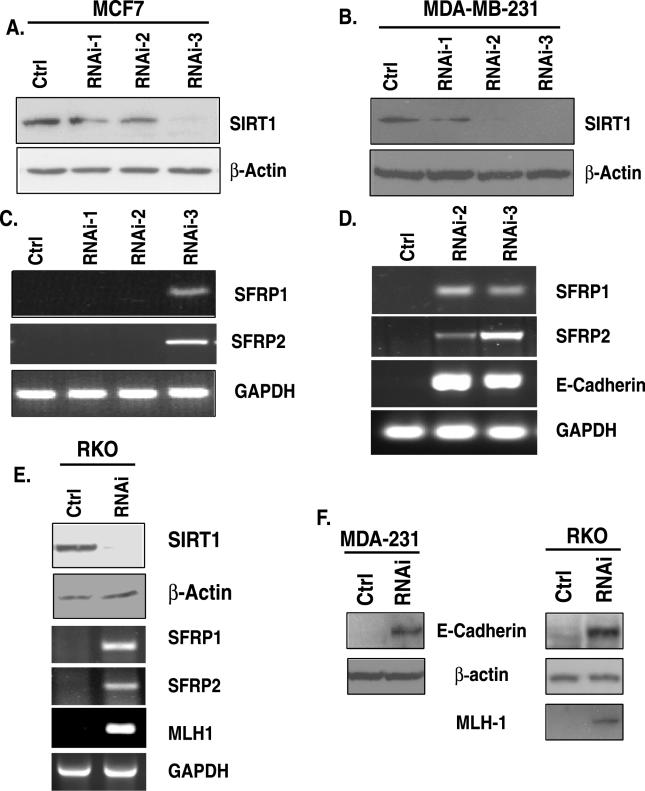
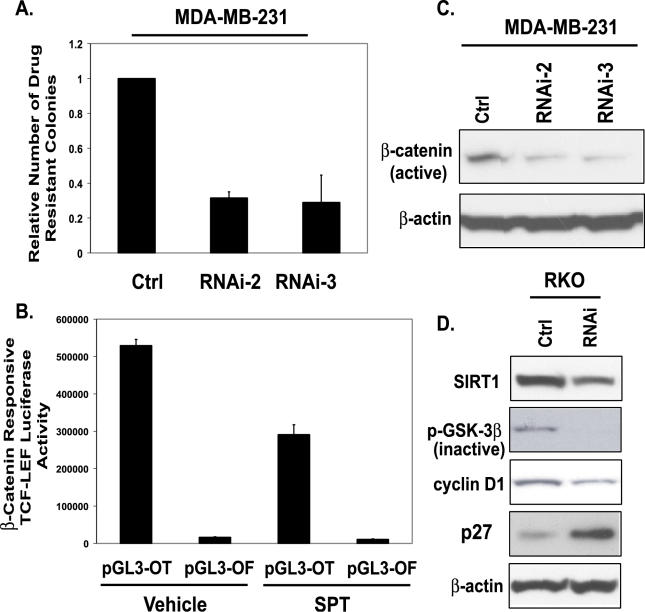
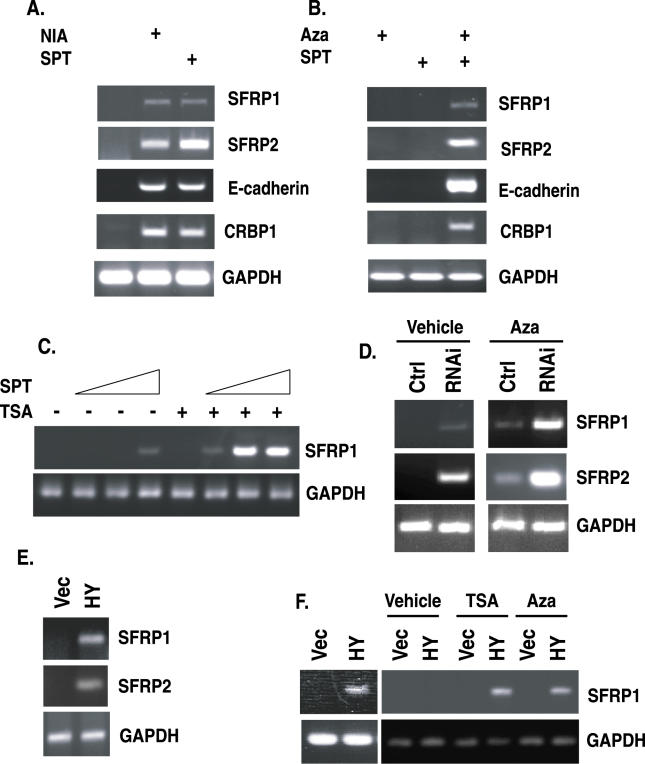
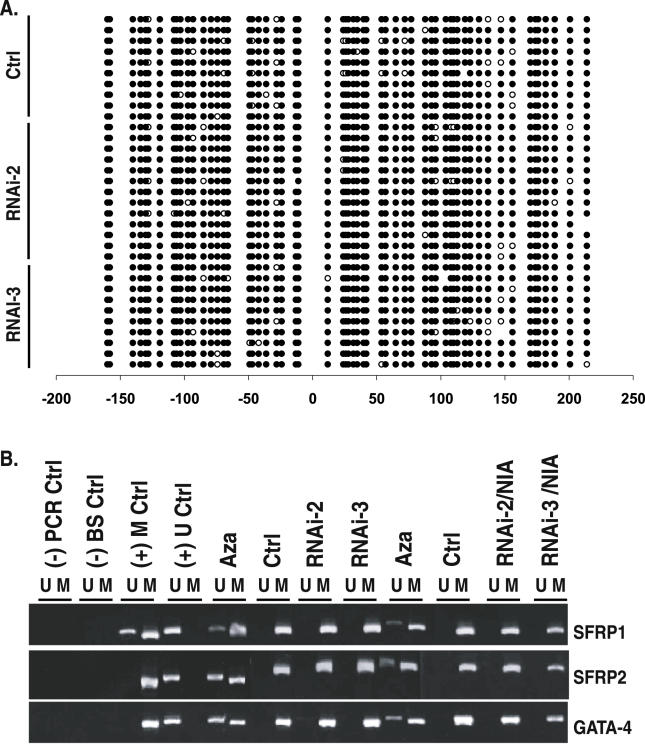
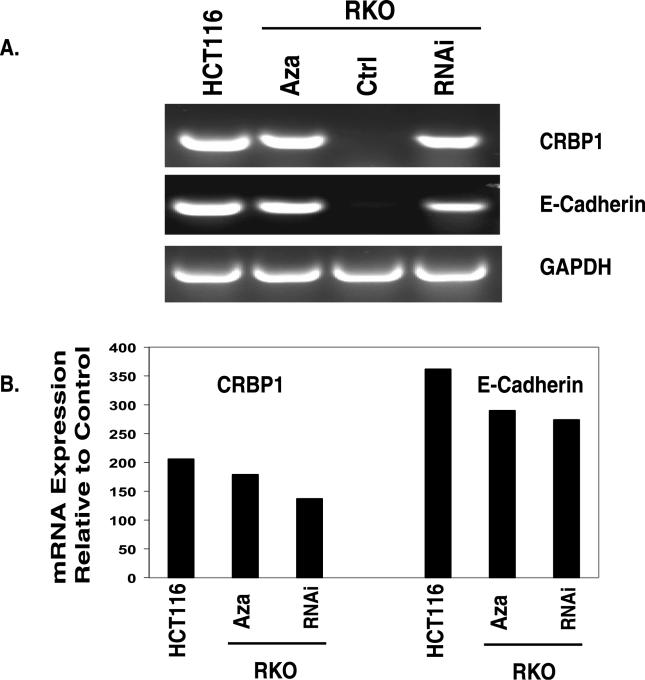
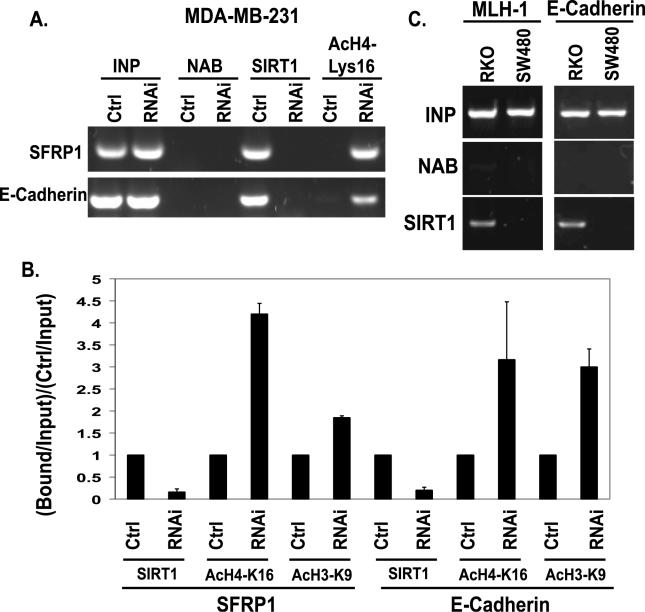
The class III histone deactylase (HDAC), SIRT1, has cancer relevance because it regulates lifespan in multiple organisms, down-regulates p53 function through deacetylation, and is linked to polycomb gene silencing in Drosophila. However, it has not been reported to mediate heterochromatin formation or heritable silencing for endogenous mammalian genes. Herein, we show that SIRT1 localizes to promoters of several aberrantly silenced tumor suppressor genes (TSGs) in which 5' CpG islands are densely hypermethylated, but not to these same promoters in cell lines in which the promoters are not hypermethylated and the genes are expressed. Heretofore, only type I and II HDACs, through deactylation of lysines 9 and 14 of histone H3 (H3-K9 and H3-K14, respectively), had been tied to the above TSG silencing. However, inhibition of these enzymes alone fails to re-activate the genes unless DNA methylation is first inhibited. In contrast, inhibition of SIRT1 by pharmacologic, dominant negative, and siRNA (small interfering RNA)-mediated inhibition in breast and colon cancer cells causes increased H4-K16 and H3-K9 acetylation at endogenous promoters and gene re-expression despite full retention of promoter DNA hypermethylation. Furthermore, SIRT1 inhibition affects key phenotypic aspects of cancer cells. We thus have identified a new component of epigenetic TSG silencing that may potentially link some epigenetic changes associated with aging with those found in cancer, and provide new directions for therapeutically targeting these important genes for re-expression.
III类组蛋白去乙酰化酶(HDAC)SIRT1与癌症相关,因为它调节多种生物体的寿命,通过去乙酰化作用下调p53功能,并且在果蝇中与多梳基因沉默有关。然而,尚未有报道称其介导内源性哺乳动物基因的异染色质形成或可遗传沉默。在此,我们发现SIRT1定位于几个异常沉默的肿瘤抑制基因(TSG)的启动子区域,这些基因的5' CpG岛密集地高度甲基化,但在启动子未高度甲基化且基因表达的细胞系中,SIRT1并不定位于这些相同的启动子区域。迄今为止,只有I类和II类HDAC通过组蛋白H3的赖氨酸9和14(分别为H3-K9和H3-K14)的去乙酰化作用与上述TSG沉默相关。然而,单独抑制这些酶并不能重新激活基因,除非首先抑制DNA甲基化。相反,在乳腺癌和结肠癌细胞中,通过药理学、显性负性和小干扰RNA(siRNA)介导的抑制作用抑制SIRT1,尽管启动子DNA仍然高度甲基化,但会导致内源性启动子处H4-K16和H3-K9乙酰化增加以及基因重新表达。此外,SIRT1抑制影响癌细胞的关键表型特征。因此,我们确定了表观遗传TSG沉默的一个新成分,它可能潜在地将一些与衰老相关的表观遗传变化与癌症中发现的变化联系起来,并为治疗性靶向这些重要基因以使其重新表达提供新的方向。