Hadighi Ramtin, Mohebali Mehdi, Boucher Patrick, Hajjaran Homa, Khamesipour Ali, Ouellette Marc
School of Public Health and Institute of Public Health Research, Tehran University of Medical Sciences, Tehran, Iran.
PLoS Med. 2006 May;3(5):e162. doi: 10.1371/journal.pmed.0030162. Epub 2006 Apr 18.
Recent circumstantial evidence suggests that an increasing number of Iranian patients with cutaneous leishmaniasis are unresponsive to meglumine antimoniate (Glucantime), the first line of treatment in Iran. This study was designed to determine whether the clinical responses (healing, or non-healing) were correlated with the susceptibility of Leishmania parasites to Glucantime.
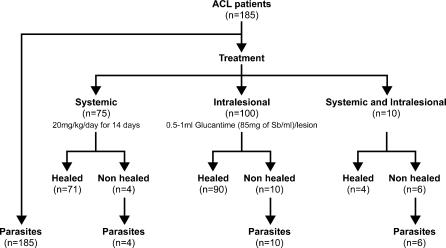
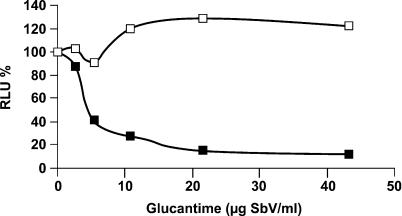
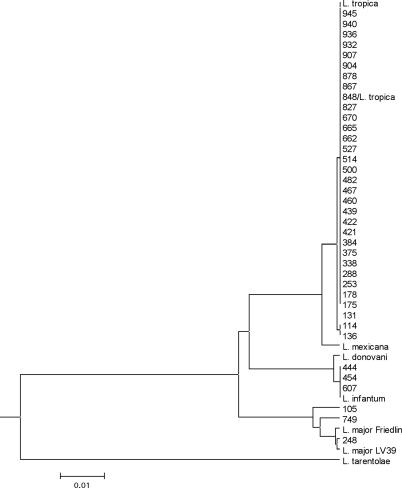
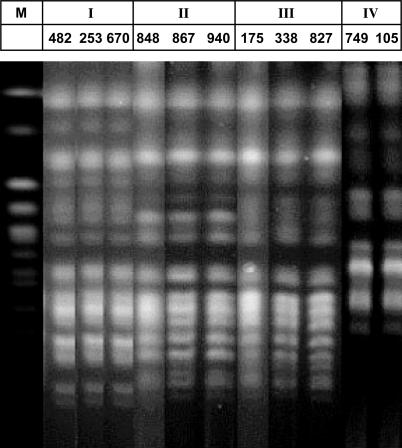
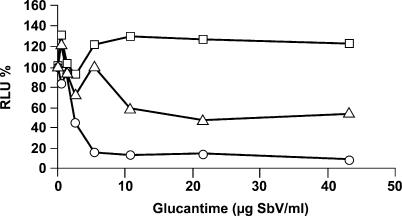
In vitro susceptibility testing was first performed on 185 isolated parasites in the intracellular mouse peritoneal macrophage model. A strong correlation between the clinical outcome and the in vitro effective concentration 50% (EC50) values was observed. Parasites derived from patients with non-healing lesions had EC50 values at least 4-fold higher than parasites derived from lesions of healing patients. A selection of these strains was typed at the molecular level by pulsed-field gels and by sequencing the pteridine reductase 1 (PTR1) gene. These techniques indicated that 28 out of 31 selected strains were Leishmania tropica and that three were Leishmania major. The L. major isolates were part of a distinct pulsed-field group, and the L. tropica isolates could be classified in three related additional pulsed-field groups. For each pulsed-field karyotype, we selected sensitive and resistant parasites in which we transfected the firefly luciferase marker to assess further the in vitro susceptibility of field isolates in the monocyte cell line THP1. These determinations confirmed unequivocally that patients with non-healing lesions were infected with L. tropica parasites resistant to Glucantime. Additional characterization of the resistant isolates showed that resistance is stable and can be reversed by buthionine sulfoximine, an inhibitor of glutathione biosynthesis.
To the authors' knowledge, this is the first report of proven resistant parasites contributing to treatment failure for cutaneous leishmaniasis and shows that primary Glucantime-resistant L. tropica field isolates are now frequent in Iran.
最近的间接证据表明,越来越多的伊朗皮肤利什曼病患者对葡甲胺锑酸盐(葡醛锑钠,伊朗的一线治疗药物)无反应。本研究旨在确定临床反应(治愈或未治愈)是否与利什曼原虫对葡醛锑钠的敏感性相关。
首先在细胞内小鼠腹腔巨噬细胞模型中对185株分离的寄生虫进行体外药敏试验。观察到临床结果与体外50%有效浓度(EC50)值之间存在很强的相关性。来自未愈合病变患者的寄生虫的EC50值至少比来自愈合患者病变的寄生虫高4倍。通过脉冲场凝胶电泳和对蝶啶还原酶1(PTR1)基因进行测序,在分子水平上对这些菌株进行了分型。这些技术表明,31株选定菌株中有28株为热带利什曼原虫,3株为硕大利什曼原虫。硕大利什曼原虫分离株属于一个独特的脉冲场组,热带利什曼原虫分离株可分为另外三个相关的脉冲场组。对于每种脉冲场核型,我们选择了敏感和耐药的寄生虫,在其中转染了萤火虫荧光素酶标记,以进一步评估单核细胞系THP1中野外分离株的体外药敏性。这些测定明确证实,未愈合病变患者感染了对葡醛锑钠耐药的热带利什曼原虫。对耐药分离株的进一步表征表明,耐药性是稳定的,并且可以被谷胱甘肽生物合成抑制剂丁硫氨酸亚砜胺逆转。
据作者所知,这是第一份关于已证实的耐药寄生虫导致皮肤利什曼病治疗失败的报告,表明原发性对葡醛锑钠耐药的热带利什曼原虫野外分离株目前在伊朗很常见。