Millington Owain R, Di Lorenzo Caterina, Phillips R Stephen, Garside Paul, Brewer James M
Division of Immunology, Infection and Inflammation, University of Glasgow, Glasgow G11 6NT, UK.
J Biol. 2006;5(2):5. doi: 10.1186/jbiol34. Epub 2006 Apr 12.
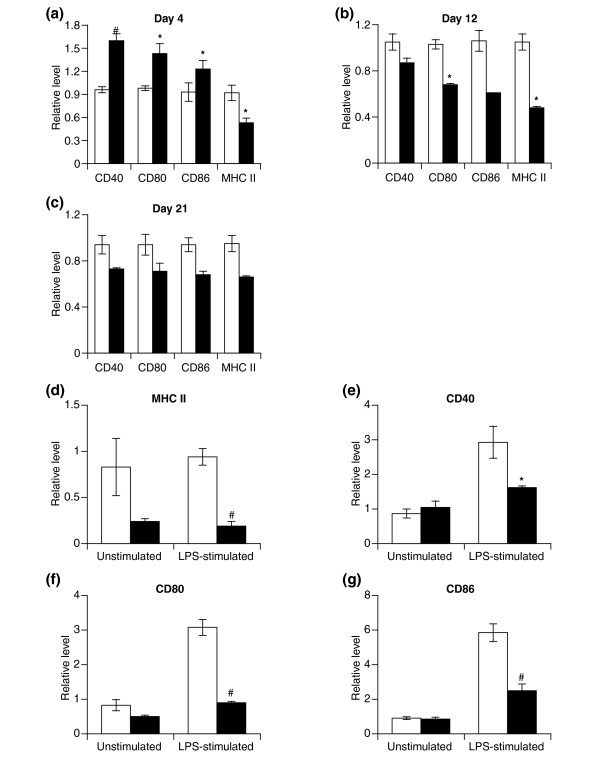
Dendritic cells (DCs) are central to the initiation and regulation of the adaptive immune response during infection. Modulation of DC function may therefore allow evasion of the immune system by pathogens. Significant depression of the host's systemic immune response to both concurrent infections and heterologous vaccines has been observed during malaria infection, but the mechanisms underlying this immune hyporesponsiveness are controversial.
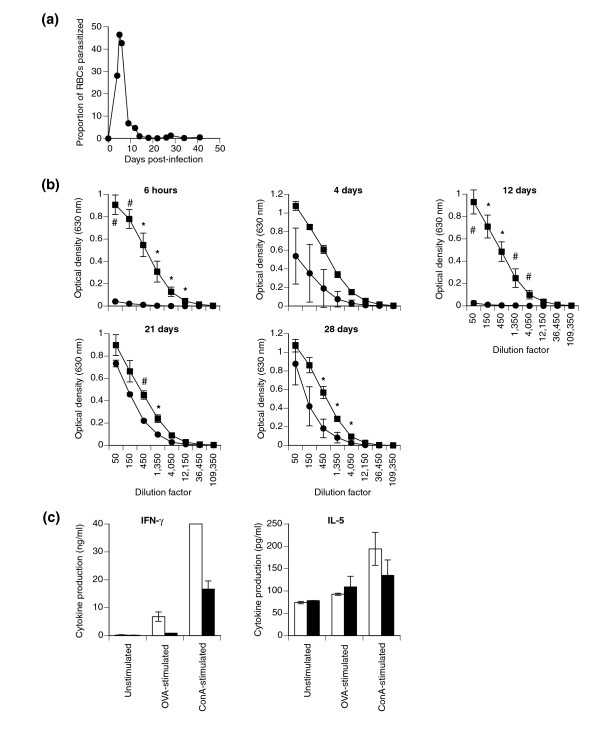
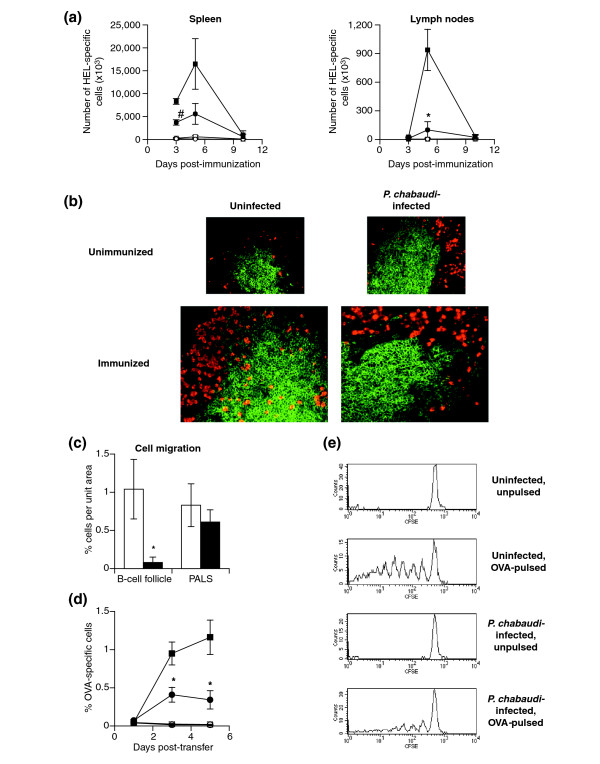
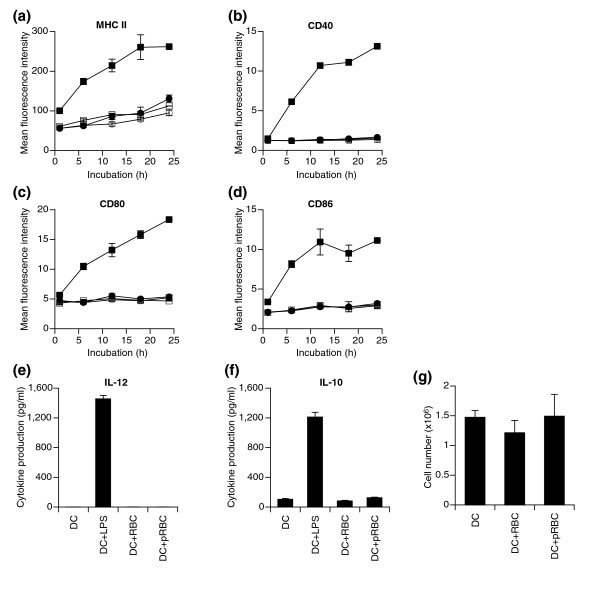
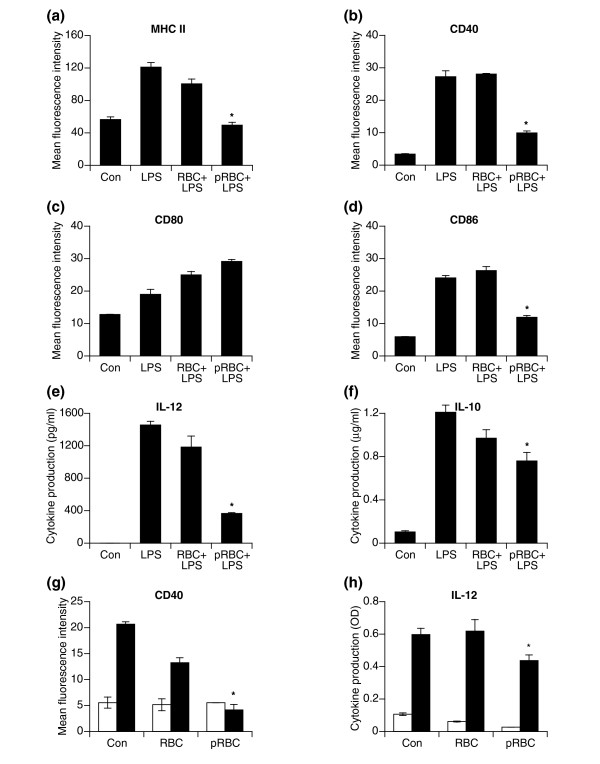
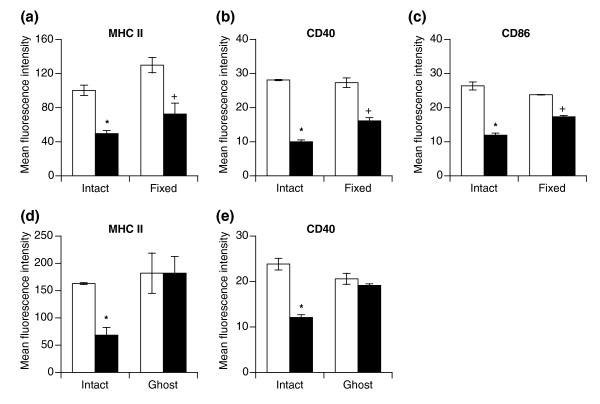
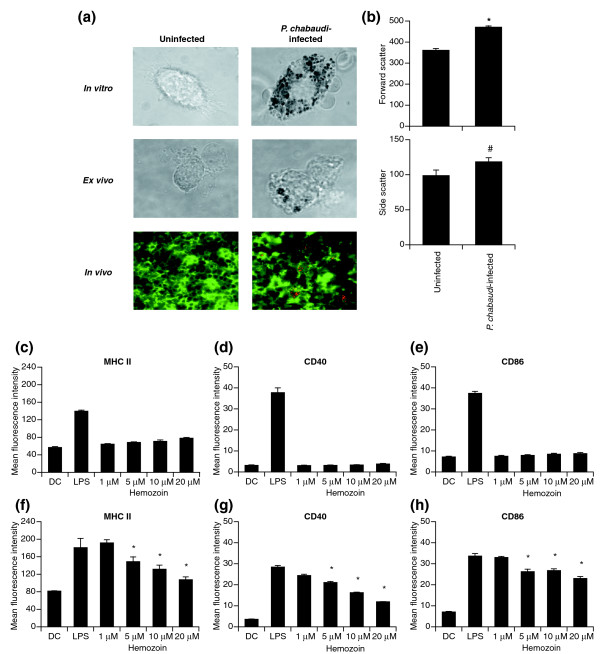
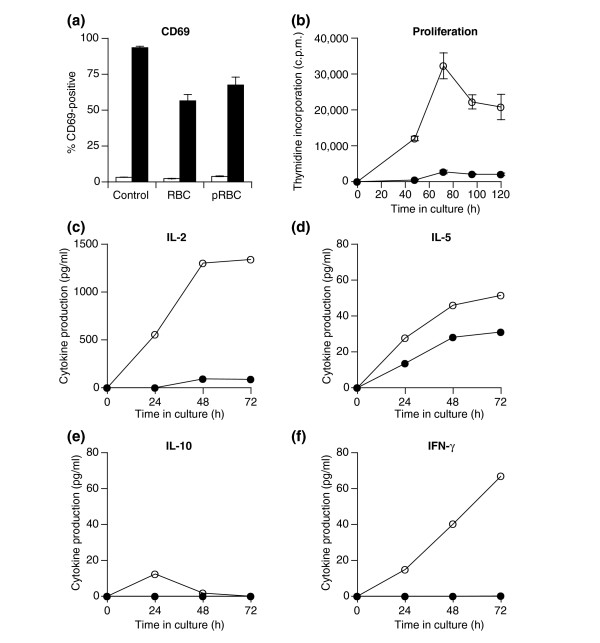
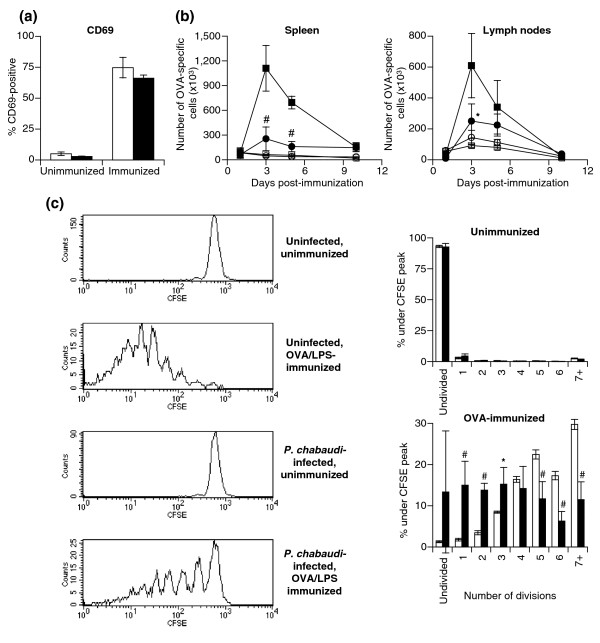
Here, we demonstrate that the blood stages of malaria infection induce a failure of DC function in vitro and in vivo, causing suboptimal activation of T cells involved in heterologous immune responses. This effect on T-cell activation can be transferred to uninfected recipients by DCs isolated from infected mice. Significantly, T cells activated by these DCs subsequently lack effector function, as demonstrated by a failure to migrate to lymphoid-organ follicles, resulting in an absence of B-cell responses to heterologous antigens. Fractionation studies show that hemozoin, rather than infected erythrocyte (red blood cell) membranes, reproduces the effect of intact infected red blood cells on DCs. Furthermore, hemozoin-containing DCs could be identified in T-cell areas of the spleen in vivo.
Plasmodium infection inhibits the induction of adaptive immunity to heterologous antigens by modulating DC function, providing a potential explanation for epidemiological studies linking endemic malaria with secondary infections and reduced vaccine efficacy.
树突状细胞(DCs)在感染期间适应性免疫反应的启动和调节中起核心作用。因此,病原体可能通过调节DC功能来逃避免疫系统。在疟疾感染期间,已观察到宿主对同时发生的感染和异源疫苗的全身免疫反应显著降低,但这种免疫低反应性的潜在机制存在争议。
在此,我们证明疟疾感染的血液阶段在体外和体内均可导致DC功能失效,从而使参与异源免疫反应的T细胞激活不足。这种对T细胞激活的影响可通过从感染小鼠中分离的DC转移至未感染的受体。重要的是,这些DC激活的T细胞随后缺乏效应功能,表现为无法迁移至淋巴器官滤泡,导致B细胞对异源抗原无反应。分级分离研究表明,疟原虫色素而非感染的红细胞(红细胞)膜可重现完整感染红细胞对DC的影响。此外,在体内脾脏的T细胞区域可识别出含有疟原虫色素的DC。
疟原虫感染通过调节DC功能抑制对异源抗原的适应性免疫诱导,这为将地方性疟疾与继发感染及疫苗效力降低相关联的流行病学研究提供了一种潜在解释。