Akavia Uri David, Shur Irena, Rechavi Gideon, Benayahu Dafna
Department of Cell and Developmental Biology, Sackler School of Medicine, Tel Aviv University, Tel Aviv 69978, Israel.
BMC Genomics. 2006 Apr 27;7:95. doi: 10.1186/1471-2164-7-95.
Marrow-derived stromal cells (MSCs) maintain the capability of self-renewal and differentiation into multiple lineages in adult life. Age-related changes are recognized by a decline in the stemness potential that result in reduced regeneration potential of the skeleton. To explore the molecular events that underline skeletal physiology during aging we catalogued the profile of gene expression in ex vivo cultured MSCs derived from 3 and 15 month old rats. The ex vivo cultured cells were analyzed following challenge with or without Dexamethasone (Dex). RNA retrieved from these cells was analyzed using Affymetrix Gene Chips to compare the effect of Dex on gene expression in both age groups.
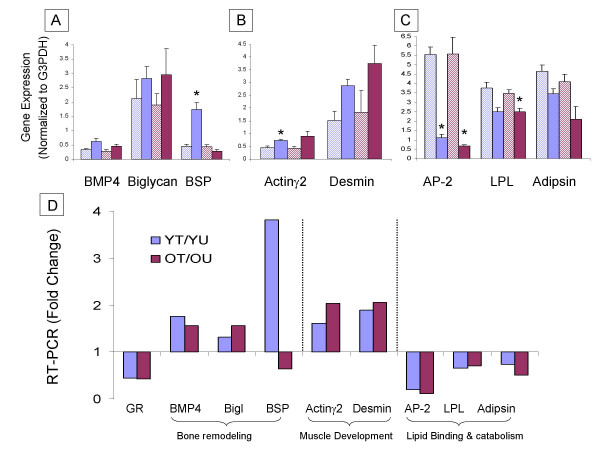
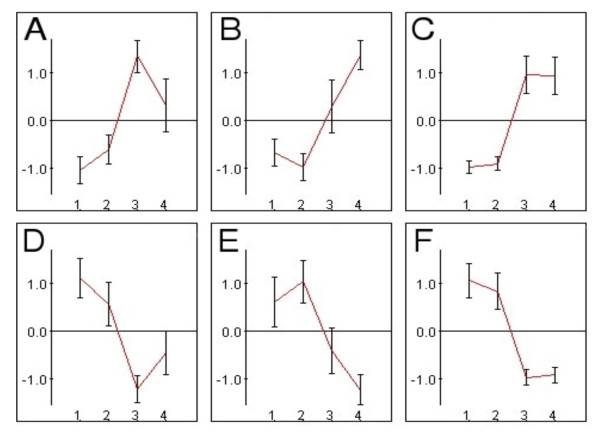
The molecular mechanisms that underline skeletal senescence were studied by gene expression analysis of RNA harvested from MSCs. The analysis resulted in complex profiles of gene expression of various differentiation pathways. We revealed changes of lineage-specific gene expression; in general the pattern of expression included repression of proliferation and induction of differentiation. The functional analysis of genes clustered were related to major pathways; an increase in bone remodeling, osteogenesis and muscle formation, coupled with a decrease in adipogenesis. We demonstrated a Dex-related decrease in immune response and in genes that regulate bone resorption and an increase in osteoblastic differentiation. Myogenic-related genes and genes that regulate cell cycle were induced by Dex. While Dex repressed genes related to adipogenesis and catabolism, this decrease was complementary to an increase in expression of genes related to osteogenesis.
This study summarizes the genes expressed in the ex vivo cultured mesenchymal cells and their response to Dex. Functional clustering highlights the complexity of gene expression in MSCs and will advance the understanding of major pathways that trigger the natural changes underlining physiological aging. The high throughput analysis shed light on the anabolic effect of Dex and the relationship between osteogenesis, myogenesis and adipogenesis in the bone marrow cells.
骨髓来源的基质细胞(MSCs)在成年期保持自我更新和分化为多种细胞谱系的能力。与年龄相关的变化表现为干性潜能下降,导致骨骼再生潜能降低。为了探索衰老过程中骨骼生理的分子事件,我们对来自3个月和15个月大鼠的体外培养的MSCs的基因表达谱进行了编目。对体外培养的细胞在有或无地塞米松(Dex)刺激后进行分析。使用Affymetrix基因芯片分析从这些细胞中提取的RNA,以比较Dex对两个年龄组基因表达的影响。
通过对从MSCs收获的RNA进行基因表达分析,研究了骨骼衰老的分子机制。分析得出了各种分化途径复杂的基因表达谱。我们揭示了谱系特异性基因表达的变化;一般来说,表达模式包括增殖的抑制和分化的诱导。对聚类基因的功能分析与主要途径相关;骨重塑、成骨和肌肉形成增加,同时脂肪生成减少。我们证明了Dex相关的免疫反应降低以及调节骨吸收的基因减少,而成骨细胞分化增加。Dex诱导了与肌生成相关的基因和调节细胞周期的基因。虽然Dex抑制了与脂肪生成和分解代谢相关的基因,但这种减少与成骨相关基因表达的增加互补。
本研究总结了体外培养的间充质细胞中表达的基因及其对Dex的反应。功能聚类突出了MSCs中基因表达的复杂性,并将推进对引发生理衰老自然变化的主要途径的理解。高通量分析揭示了Dex的合成代谢作用以及骨髓细胞中成骨、肌生成和脂肪生成之间的关系。