Brewster L P, Brey E M, Greisler H P
Department of Surgery, Loyola University Medical Center, Maywood, IL 60153, USA.
Adv Drug Deliv Rev. 2006 Jul 7;58(4):604-29. doi: 10.1016/j.addr.2006.03.002.
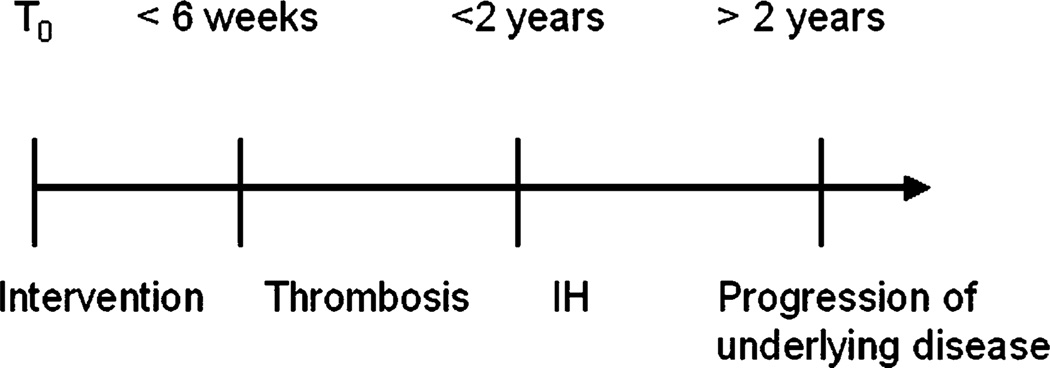
Atherosclerotic cardiovascular disease is a leading cause of death worldwide. Despite recent improvements in medical, operative, and endovascular treatments, the number of interventions performed annually continues to increase. Unfortunately, the durability of these interventions is limited acutely by thrombotic complications and later by myointimal hyperplasia followed by progression of atherosclerotic disease over time. Despite improving medical management of patients with atherosclerotic disease, these complications appear to be persisting. Cardiovascular gene therapy has the potential to make significant clinical inroads to limit these complications. This article will review the technical aspects of cardiovascular gene therapy; its application for promoting a functional endothelium, smooth muscle cell growth inhibition, therapeutic angiogenesis, tissue engineered vascular conduits, and discuss the current status of various applicable clinical trials.
动脉粥样硬化性心血管疾病是全球主要的死亡原因。尽管近年来在药物、手术和血管内治疗方面有所改善,但每年进行的干预数量仍在持续增加。不幸的是,这些干预的耐久性在急性期受到血栓形成并发症的限制,后期则受到肌内膜增生的限制,随后随着时间的推移动脉粥样硬化疾病不断进展。尽管对动脉粥样硬化疾病患者的医疗管理有所改善,但这些并发症似乎仍然存在。心血管基因治疗有可能在临床上取得重大进展以限制这些并发症。本文将综述心血管基因治疗的技术方面;其在促进功能性内皮、抑制平滑肌细胞生长、治疗性血管生成、组织工程血管导管方面的应用,并讨论各种适用临床试验的现状。