Shida Kazuhito
TUBERO (Tohoku University Biomedical Engineering Research Organization) 980-8575, Sendai, Japan.
BMC Bioinformatics. 2006 Nov 4;7:486. doi: 10.1186/1471-2105-7-486.
Computational discovery of transcription factor binding sites (TFBS) is a challenging but important problem of bioinformatics. In this study, improvement of a Gibbs sampling based technique for TFBS discovery is attempted through an approach that is widely known, but which has never been investigated before: reduction of the effect of local optima.
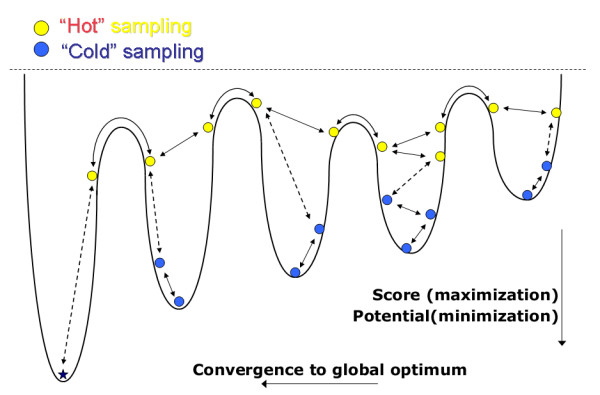
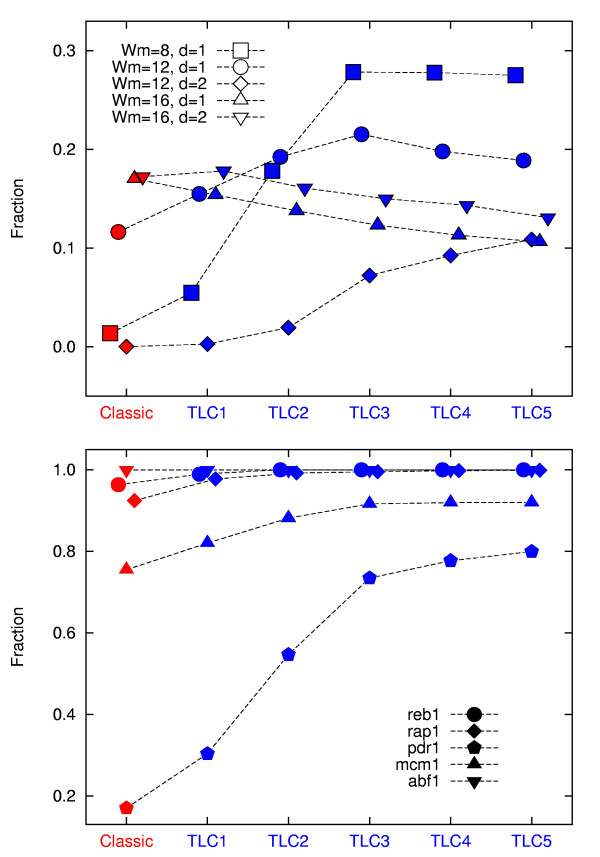
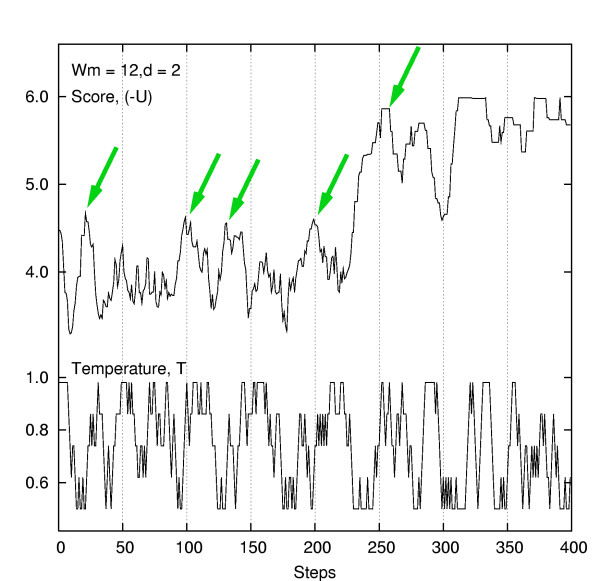
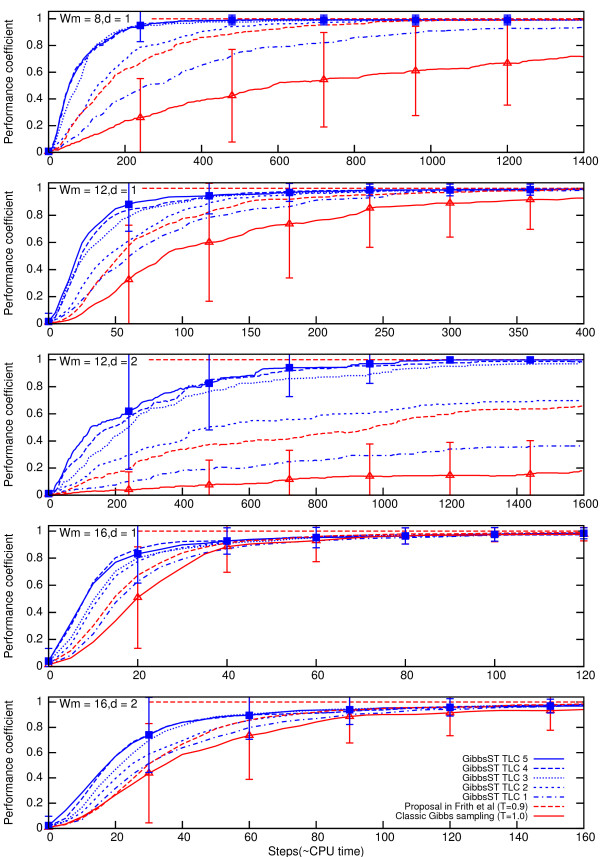
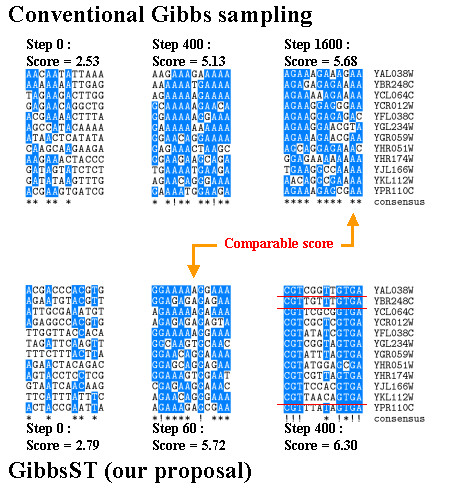
To alleviate the vulnerability of Gibbs sampling to local optima trapping, we propose to combine a thermodynamic method, called simulated tempering, with Gibbs sampling. The resultant algorithm, GibbsST, is then validated using synthetic data and actual promoter sequences extracted from Saccharomyces cerevisiae. It is noteworthy that the marked improvement of the efficiency presented in this paper is attributable solely to the improvement of the search method.
Simulated tempering is a powerful solution for local optima problems found in pattern discovery. Extended application of simulated tempering for various bioinformatic problems is promising as a robust solution against local optima problems.
转录因子结合位点(TFBS)的计算发现是生物信息学中一个具有挑战性但很重要的问题。在本研究中,尝试通过一种广为人知但此前从未被研究过的方法来改进基于吉布斯采样的TFBS发现技术:降低局部最优的影响。
为减轻吉布斯采样对局部最优陷阱的脆弱性,我们提议将一种称为模拟回火的热力学方法与吉布斯采样相结合。由此产生的算法GibbsST,随后使用合成数据和从酿酒酵母中提取的实际启动子序列进行验证。值得注意的是,本文中效率的显著提高完全归因于搜索方法的改进。
模拟回火是解决模式发现中局部最优问题的有效方法。将模拟回火扩展应用于各种生物信息学问题,作为针对局部最优问题的稳健解决方案具有广阔前景。