Burns Gully A P C, Cheng Wei-Cheng, Thompson Richard H, Swanson Larry W
Information Sciences Institute, 4676 Admiralty Way, Marina Del Rey, CA 90292, USA.
BMC Bioinformatics. 2006 Dec 13;7:531. doi: 10.1186/1471-2105-7-531.
Anatomical studies of neural circuitry describing the basic wiring diagram of the brain produce intrinsically spatial, highly complex data of great value to the neuroscience community. Published neuroanatomical atlases provide a spatial framework for these studies. We have built an informatics framework based on these atlases for the representation of neuroanatomical knowledge. This framework not only captures current methods of anatomical data acquisition and analysis, it allows these studies to be collated, compared and synthesized within a single system.
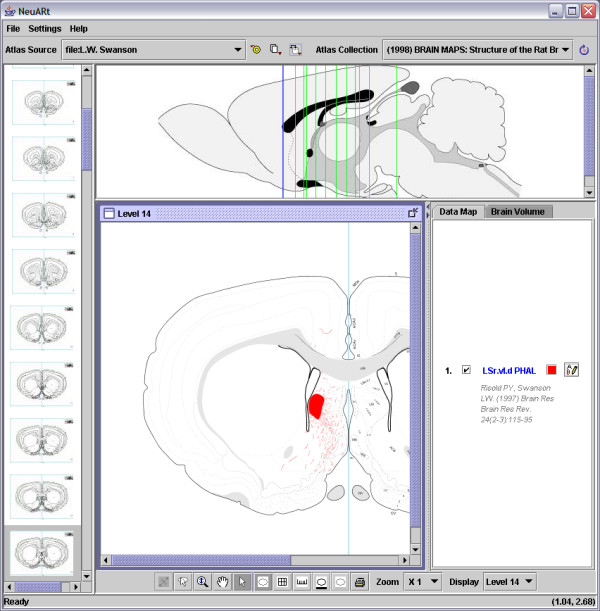
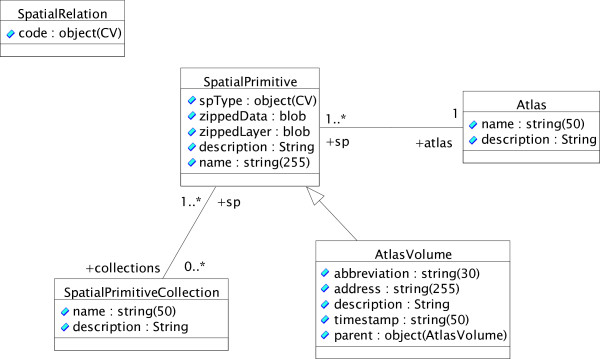
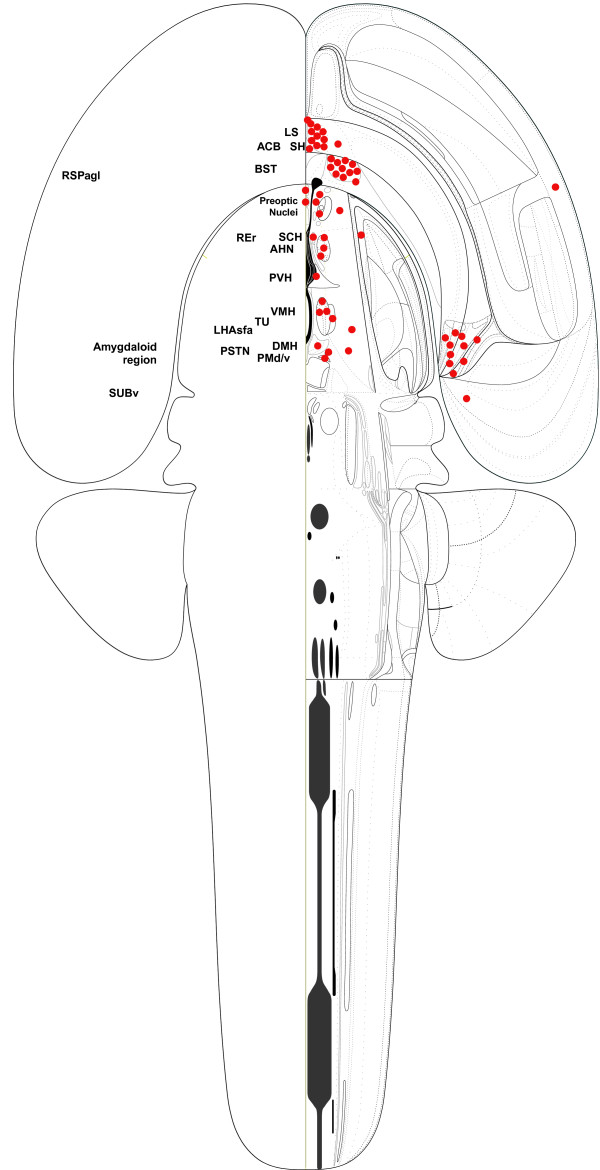
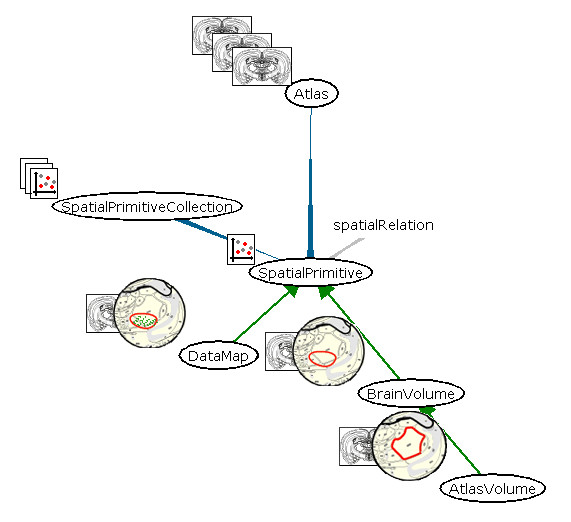
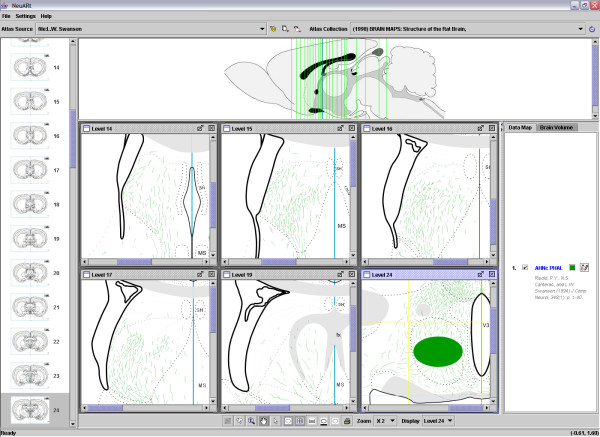
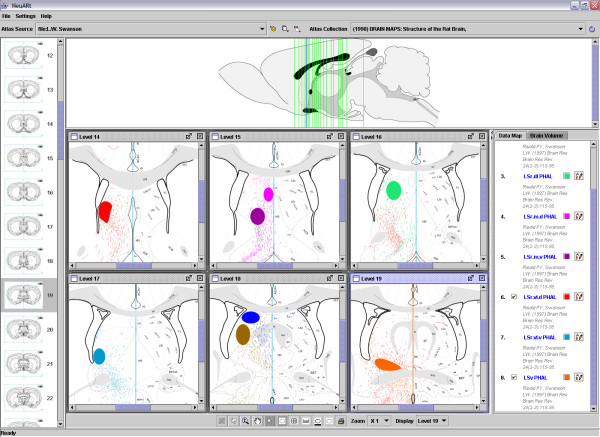
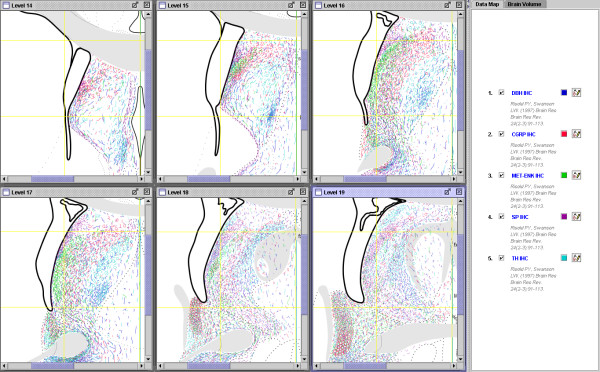
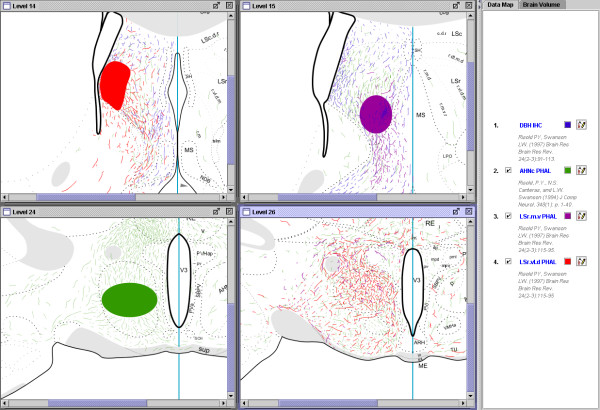
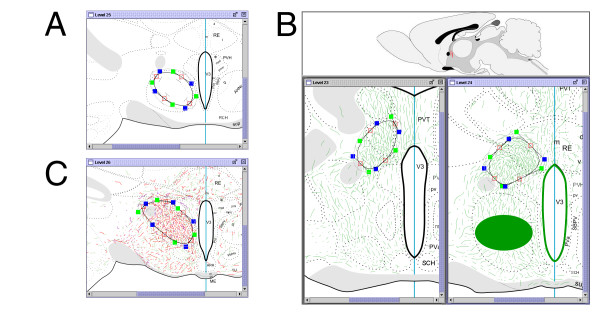
We have developed an atlas-viewing application ('NeuARt II') in the Java language with unique functional properties. These include the ability to use copyrighted atlases as templates within which users may view, save and retrieve data-maps and annotate them with volumetric delineations. NeuARt II also permits users to view multiple levels on multiple atlases at once. Each data-map in this system is simply a stack of vector images with one image per atlas level, so any set of accurate drawings made onto a supported atlas (in vector graphics format) could be uploaded into NeuARt II. Presently the database is populated with a corpus of high-quality neuroanatomical data from the laboratory of Dr Larry Swanson (consisting 64 highly-detailed maps of PHAL tract-tracing experiments, made up of 1039 separate drawings that were published in 27 primary research publications over 17 years). Herein we take selective examples from these data to demonstrate the features of NeuArt II. Our informatics tool permits users to browse, query and compare these maps. The NeuARt II tool operates within a bioinformatics knowledge management platform (called 'NeuroScholar') either as a standalone or a plug-in application.
Anatomical localization is fundamental to neuroscientific work and atlases provide an easily-understood framework that is widely used by neuroanatomists and non-neuroanatomists alike. NeuARt II, the neuroinformatics tool presented here, provides an accurate and powerful way of representing neuroanatomical data in the context of commonly-used brain atlases for visualization, comparison and analysis. Furthermore, it provides a framework that supports the delivery and manipulation of mapped data either as a standalone system or as a component in a larger knowledge management system.
对神经回路的解剖学研究描绘了大脑的基本布线图,产生了对神经科学界具有重大价值的内在空间、高度复杂的数据。已发表的神经解剖学图谱为这些研究提供了一个空间框架。我们基于这些图谱构建了一个信息学框架,用于表示神经解剖学知识。这个框架不仅捕捉了解剖学数据采集和分析的当前方法,还允许在单个系统中对这些研究进行整理、比较和综合。
我们用Java语言开发了一个具有独特功能特性的图谱查看应用程序(“NeuARt II”)。这些特性包括能够将受版权保护的图谱用作模板,用户可以在其中查看、保存和检索数据图,并用体积描绘对其进行注释。NeuARt II还允许用户一次查看多个图谱的多个层面。该系统中的每个数据图只是一堆矢量图像,每个图谱层面有一幅图像,因此任何一组绘制在支持的图谱上(矢量图形格式)的精确图纸都可以上传到NeuARt II中。目前,数据库中填充了来自拉里·斯旺森博士实验室的高质量神经解剖学数据集(由64张PHAL束追踪实验的高度详细地图组成,由1039张单独的图纸组成,这些图纸发表在17年期间的27篇主要研究出版物中)。在此,我们从这些数据中选取了一些示例来展示NeuArt II的特性。我们的信息学工具允许用户浏览、查询和比较这些地图。NeuARt II工具可以作为独立应用程序或插件应用程序在生物信息学知识管理平台(称为“NeuroScholar”)中运行。
解剖定位是神经科学工作的基础,图谱提供了一个易于理解的框架,神经解剖学家和非神经解剖学家都广泛使用。这里介绍的神经信息学工具NeuARt II,提供了一种在常用脑图谱的背景下准确而强大地表示神经解剖学数据的方法,用于可视化、比较和分析。此外,它提供了一个框架,支持将映射数据作为独立系统或更大知识管理系统的组件进行传递和操作。