Pacher Pál, Beckman Joseph S, Liaudet Lucas
Section on Oxidative Stress Tissue Injury, Laboratory of Physiologic Studies, National Institutes of Health, National Institute of Alcohol Abuse and Alcoholism, Bethesda, Maryland, USA.
Physiol Rev. 2007 Jan;87(1):315-424. doi: 10.1152/physrev.00029.2006.
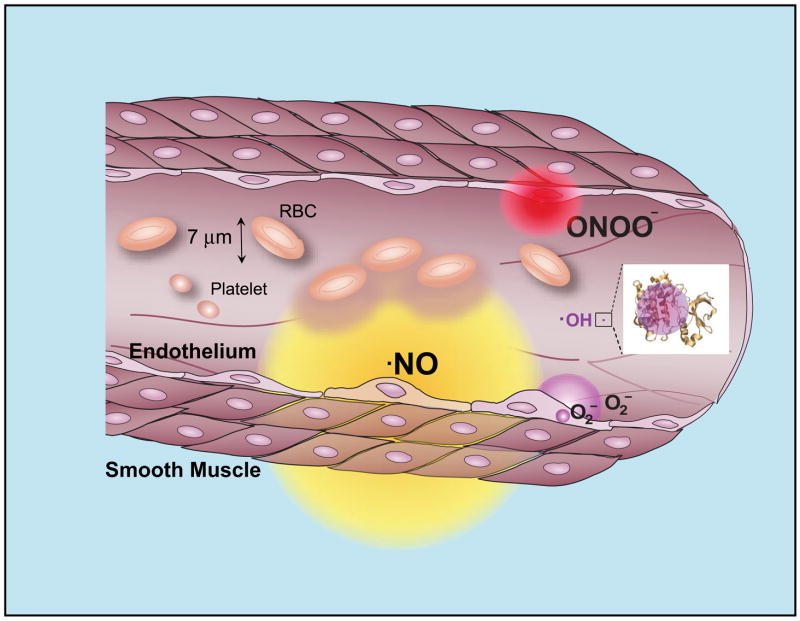
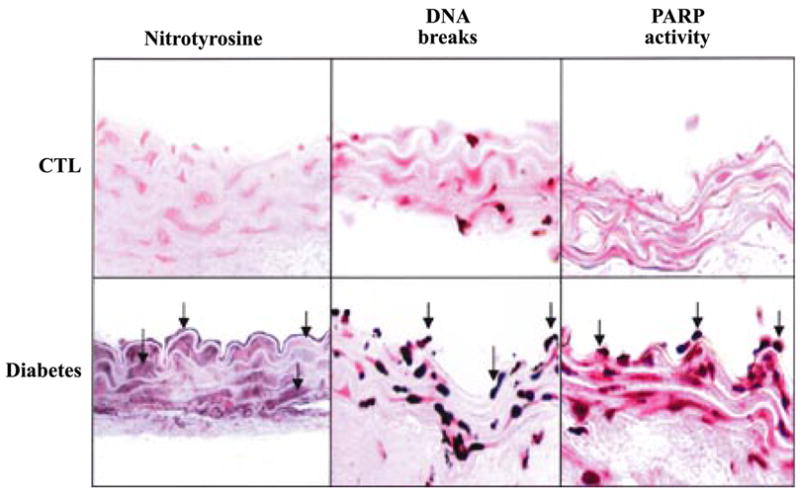
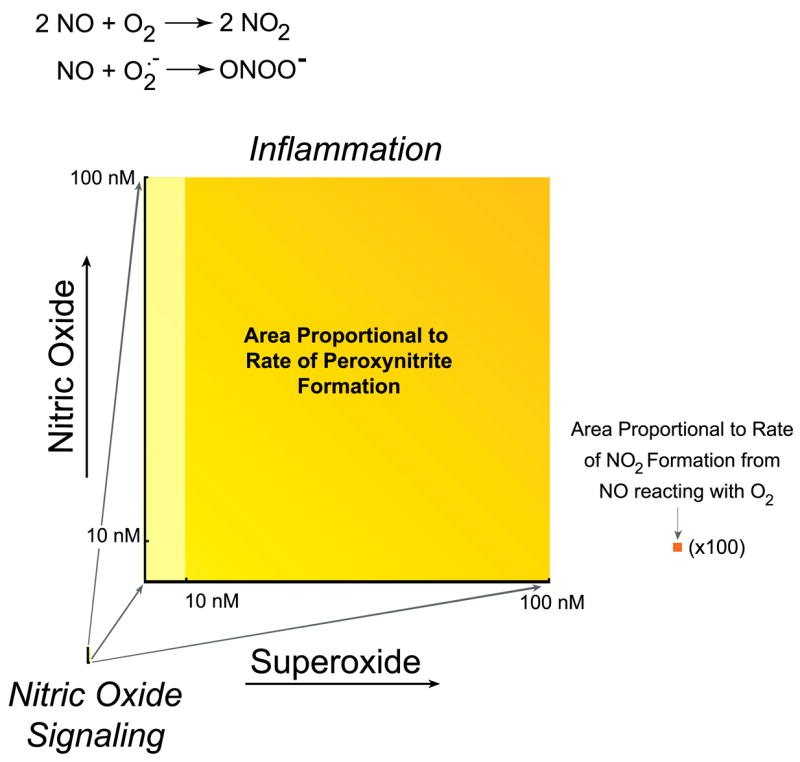
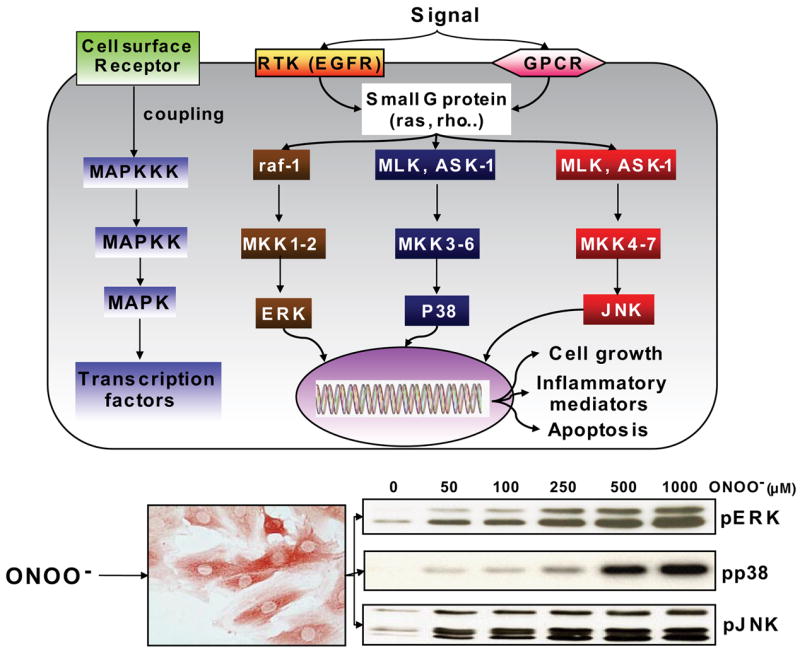
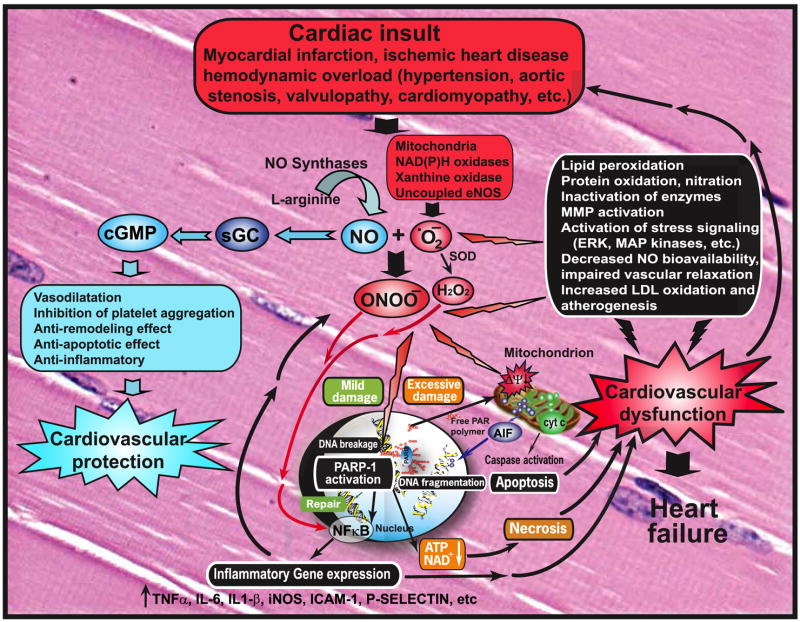
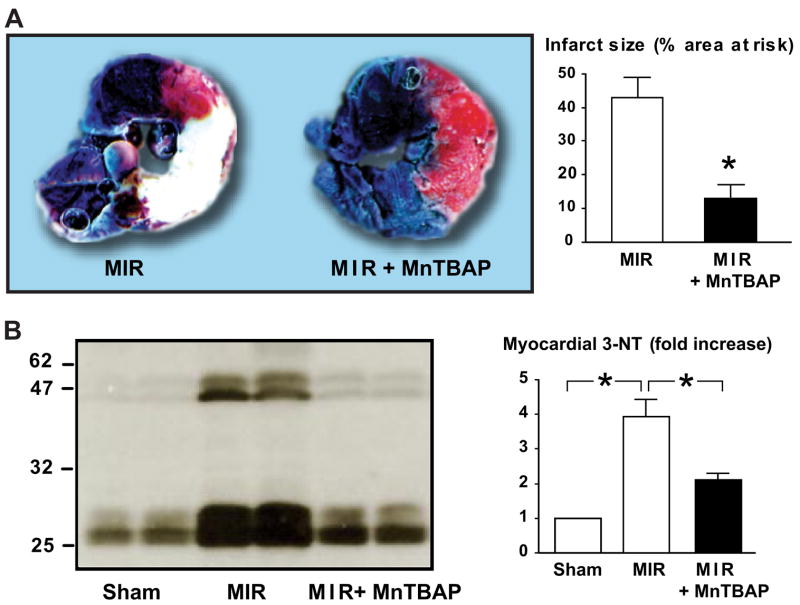
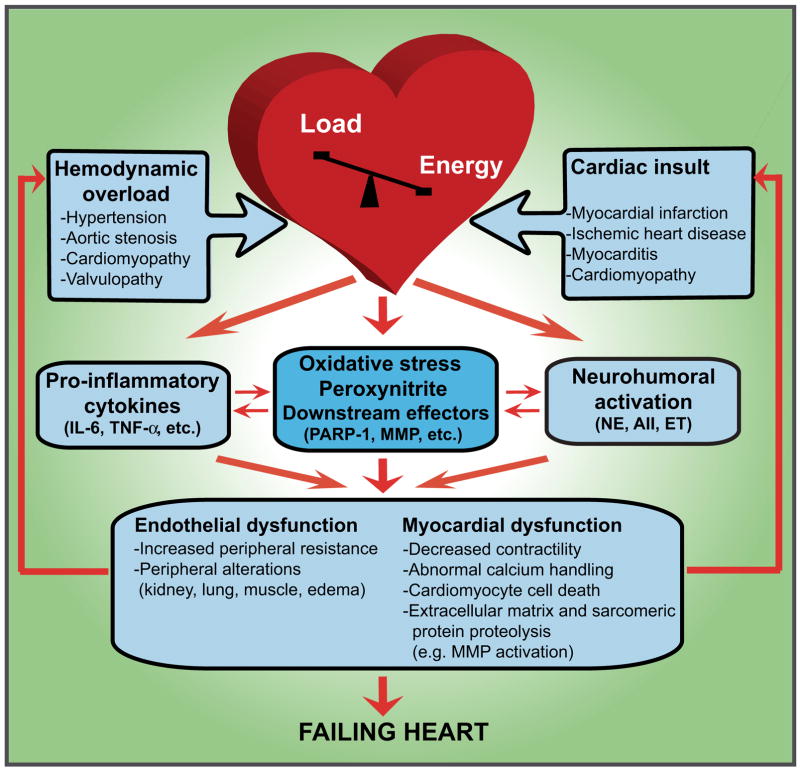
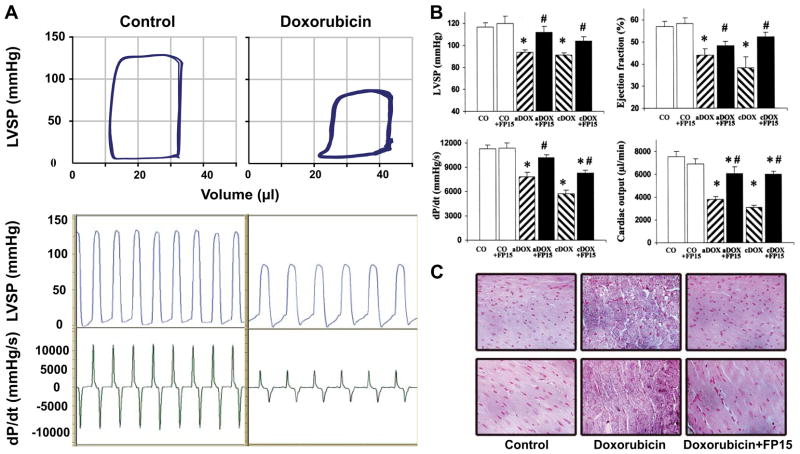
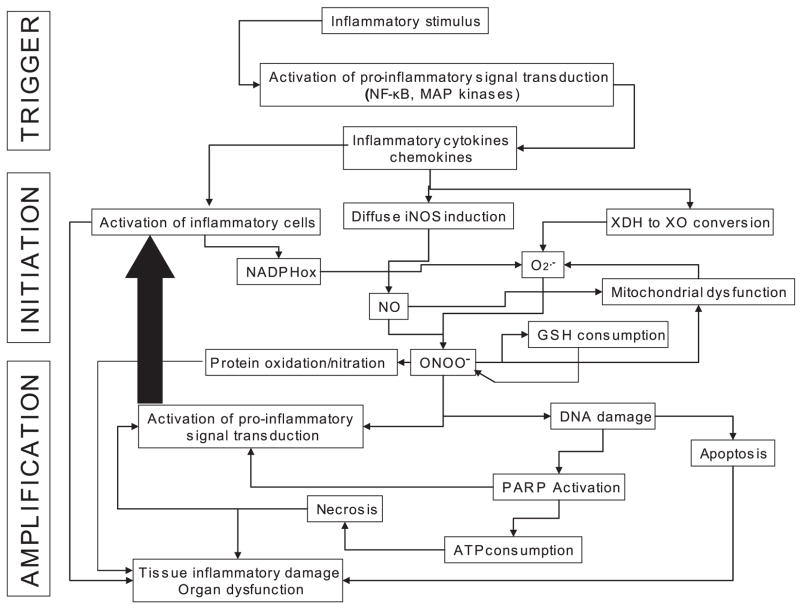
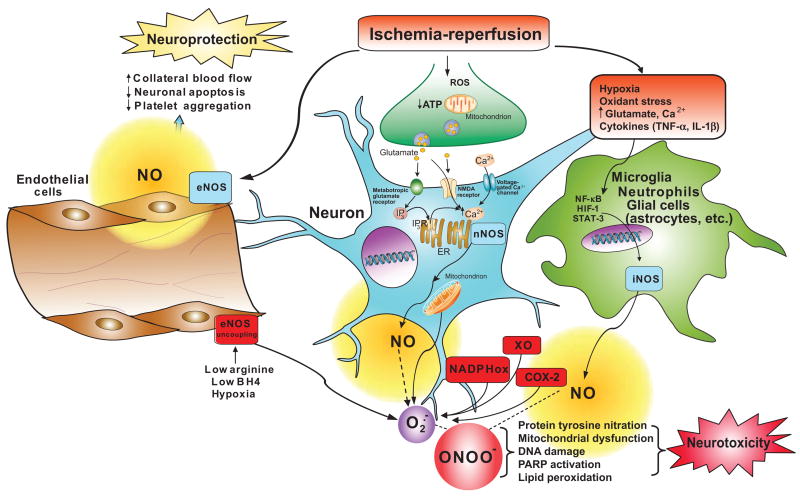
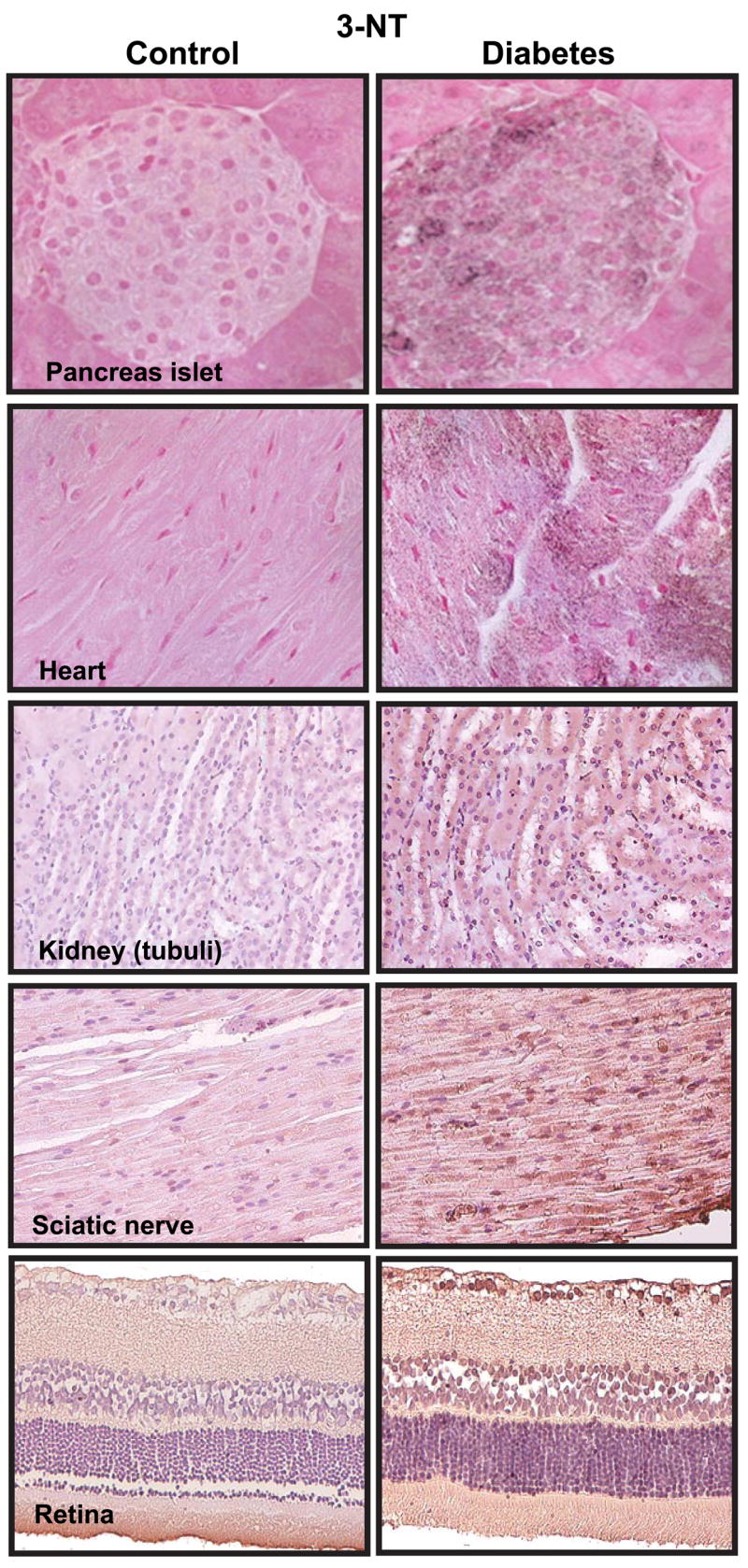
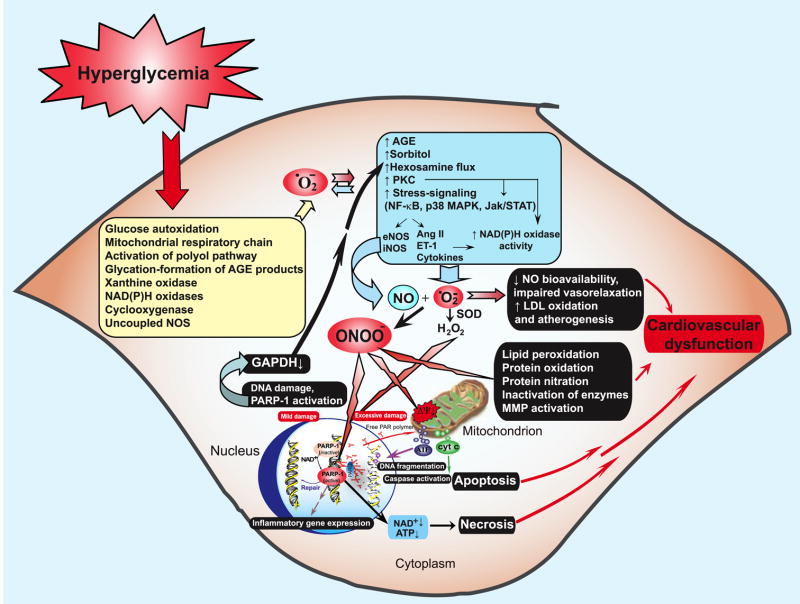
The discovery that mammalian cells have the ability to synthesize the free radical nitric oxide (NO) has stimulated an extraordinary impetus for scientific research in all the fields of biology and medicine. Since its early description as an endothelial-derived relaxing factor, NO has emerged as a fundamental signaling device regulating virtually every critical cellular function, as well as a potent mediator of cellular damage in a wide range of conditions. Recent evidence indicates that most of the cytotoxicity attributed to NO is rather due to peroxynitrite, produced from the diffusion-controlled reaction between NO and another free radical, the superoxide anion. Peroxynitrite interacts with lipids, DNA, and proteins via direct oxidative reactions or via indirect, radical-mediated mechanisms. These reactions trigger cellular responses ranging from subtle modulations of cell signaling to overwhelming oxidative injury, committing cells to necrosis or apoptosis. In vivo, peroxynitrite generation represents a crucial pathogenic mechanism in conditions such as stroke, myocardial infarction, chronic heart failure, diabetes, circulatory shock, chronic inflammatory diseases, cancer, and neurodegenerative disorders. Hence, novel pharmacological strategies aimed at removing peroxynitrite might represent powerful therapeutic tools in the future. Evidence supporting these novel roles of NO and peroxynitrite is presented in detail in this review.
哺乳动物细胞具有合成自由基一氧化氮(NO)的能力这一发现,为生物学和医学所有领域的科学研究带来了非凡的推动力。自从它最初被描述为一种内皮衍生的舒张因子以来,NO已成为一种基本的信号传导装置,几乎调节着每一种关键的细胞功能,同时也是多种情况下细胞损伤的强效介质。最近的证据表明,大多数归因于NO的细胞毒性实际上是由于过氧亚硝酸盐,它是由NO与另一种自由基超氧阴离子之间的扩散控制反应产生的。过氧亚硝酸盐通过直接氧化反应或间接的自由基介导机制与脂质、DNA和蛋白质相互作用。这些反应引发从细胞信号的细微调节到压倒性氧化损伤的细胞反应,导致细胞坏死或凋亡。在体内,过氧亚硝酸盐的产生是中风、心肌梗死、慢性心力衰竭、糖尿病、循环性休克、慢性炎症性疾病、癌症和神经退行性疾病等病症中的关键致病机制。因此,旨在清除过氧亚硝酸盐的新型药理学策略可能在未来成为强大的治疗工具。本综述详细介绍了支持NO和过氧亚硝酸盐这些新作用的证据。