Fukumura Dai, Jain Rakesh K
Edwin L. Steele Laboratory, Department of Radiation Oncology, Massachusetts General Hospital and Harvard Medical School, 100 Blossom Street-Cox 7, Boston, MA 02114, USA.
Microvasc Res. 2007 Sep-Nov;74(2-3):72-84. doi: 10.1016/j.mvr.2007.05.003. Epub 2007 May 18.
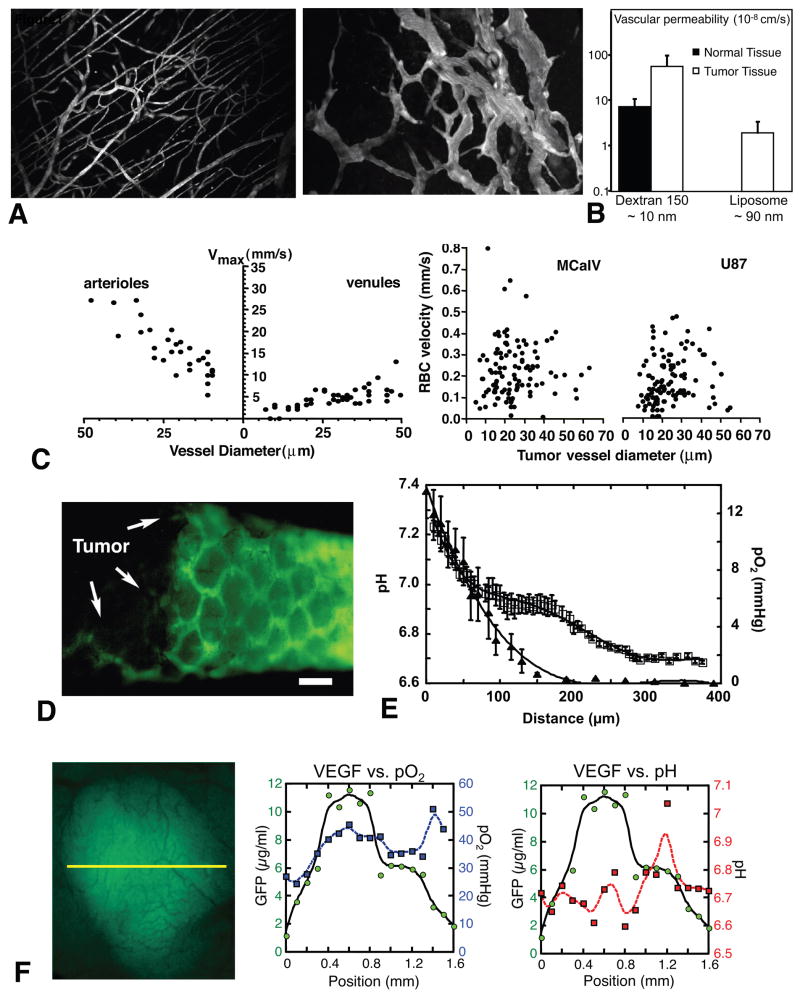
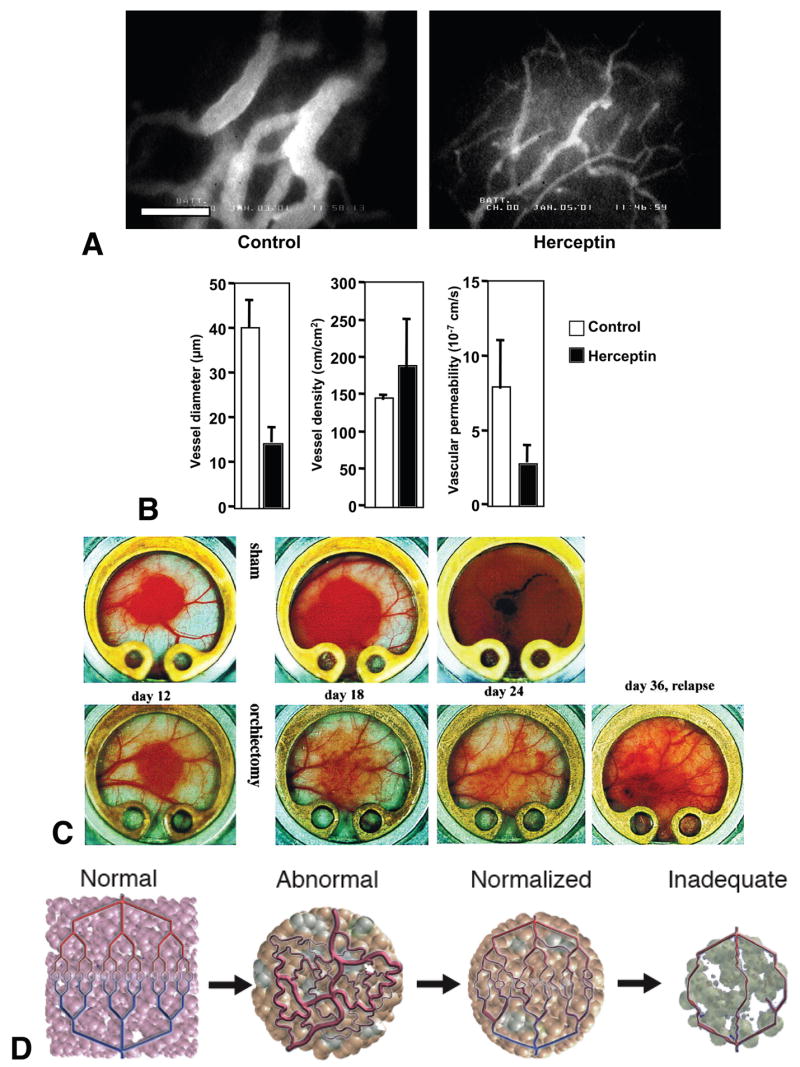
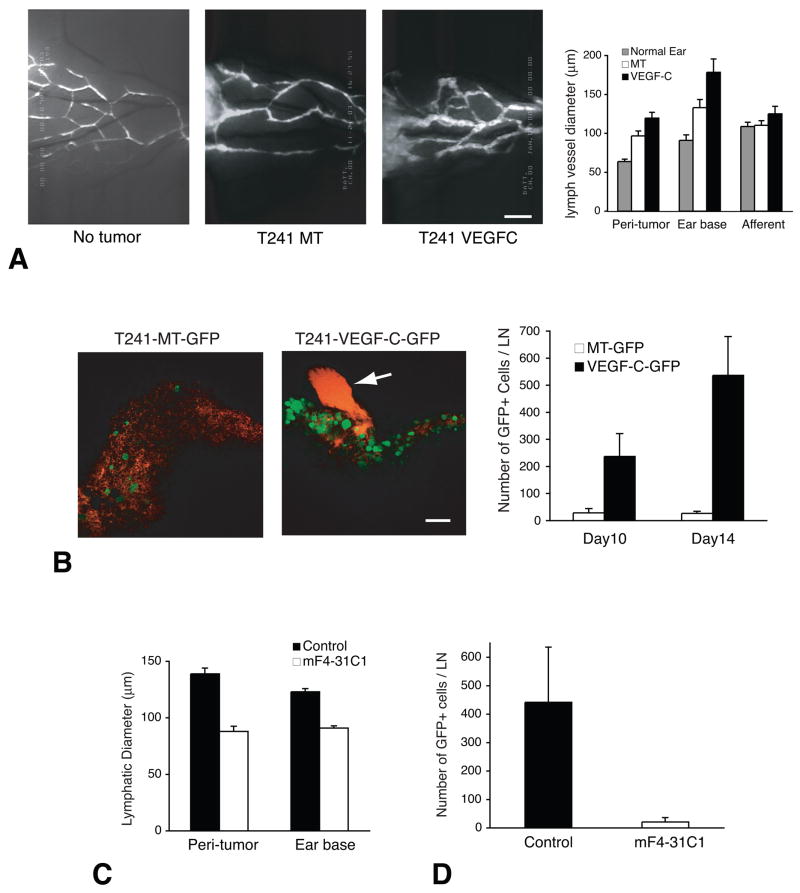
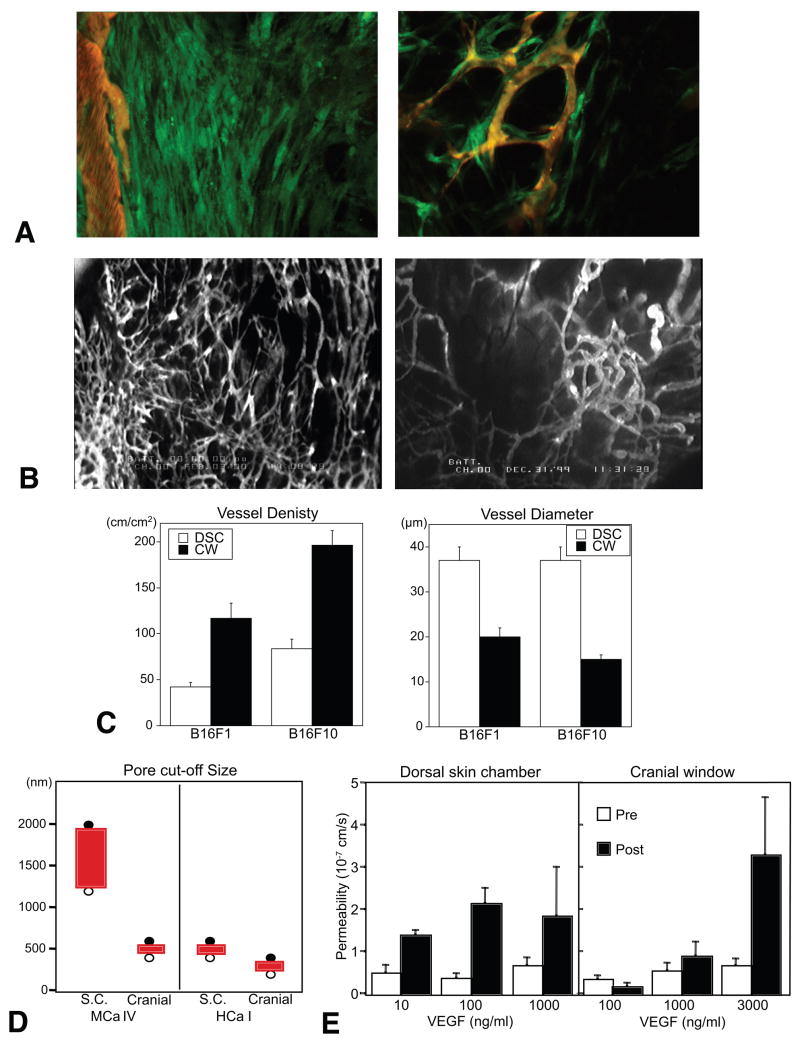
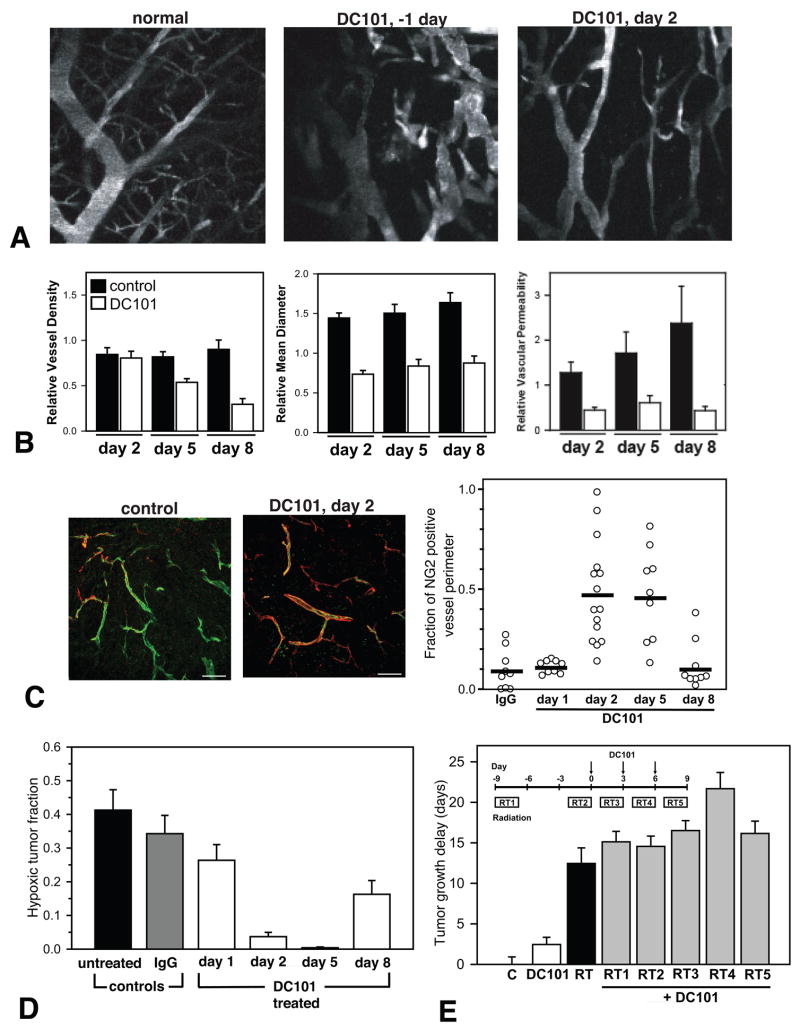
A solid tumor forms an organ-like entity comprised of neoplastic cells and non-transformed host stromal cells embedded in an extracellular matrix. Similar to normal tissues, blood vessels nourish cells residing in tumors. However, unlike normal blood vessels, tumor vasculature has abnormal organization, structure, and function. Tumor vessels are leaky and blood flow is heterogeneous and often compromised. Vascular hyperpermeability and the lack of functional lymphatic vessels inside tumors cause elevation of interstitial fluid pressure in solid tumors. Each of these abnormalities forms a physiological barrier to the delivery of therapeutic agents to tumors. Furthermore, elevated tumor interstitial fluid pressure increases fluid flow from the tumor margin into the peri-tumor area and may facilitate peri-tumor lymphatic hyperplasia and metastasis. Abnormal microcirculation in tumors also leads to a hostile microenvironment characterized by hypoxia and acidosis, which hinder the effectiveness of anti-tumor treatments such as radiation therapy and chemotherapy. In addition, host-tumor interactions regulate expression of pro- and anti-angiogenic factors and hence contribute to their imbalance and resulting pathophysiological characteristics of the tumor. Restoration of pro- and anti-angiogenic balance in tumors may "normalize" tumor vasculature and thus improve its function. Indeed, anti-angiogenic treatments directly targeting angiogenic signaling pathways as well as indirectly modulating angiogenesis show normalization of tumor vasculature and microenvironment at least transiently in both preclinical and clinical settings. Combination of cytotoxic therapy and anti-angiogenic treatment during the vascular normalization exhibits synergistic effect.
实体瘤形成一个类似器官的实体,由肿瘤细胞和嵌入细胞外基质中的未转化宿主基质细胞组成。与正常组织类似,血管滋养肿瘤中的细胞。然而,与正常血管不同,肿瘤脉管系统具有异常的组织、结构和功能。肿瘤血管渗漏,血流不均一且常常受损。血管高通透性以及肿瘤内部缺乏功能性淋巴管导致实体瘤间质液压力升高。这些异常中的每一个都形成了治疗药物输送至肿瘤的生理屏障。此外,升高的肿瘤间质液压力增加了从肿瘤边缘向肿瘤周围区域的液体流动,并可能促进肿瘤周围淋巴组织增生和转移。肿瘤中的异常微循环还导致以缺氧和酸中毒为特征的恶劣微环境,这阻碍了放疗和化疗等抗肿瘤治疗的效果。此外,宿主-肿瘤相互作用调节促血管生成因子和抗血管生成因子的表达,从而导致它们的失衡以及肿瘤由此产生的病理生理特征。恢复肿瘤中促血管生成和抗血管生成的平衡可能使肿瘤脉管系统“正常化”,从而改善其功能。事实上,直接靶向血管生成信号通路以及间接调节血管生成的抗血管生成治疗在临床前和临床环境中至少可使肿瘤脉管系统和微环境暂时正常化。在血管正常化过程中,细胞毒性疗法与抗血管生成治疗联合使用具有协同效应。