Züst Roland, Cervantes-Barragán Luisa, Kuri Thomas, Blakqori Gjon, Weber Friedemann, Ludewig Burkhard, Thiel Volker
Research Department, Kantonal Hospital St. Gallen, St. Gallen, Switzerland.
PLoS Pathog. 2007 Aug 10;3(8):e109. doi: 10.1371/journal.ppat.0030109.
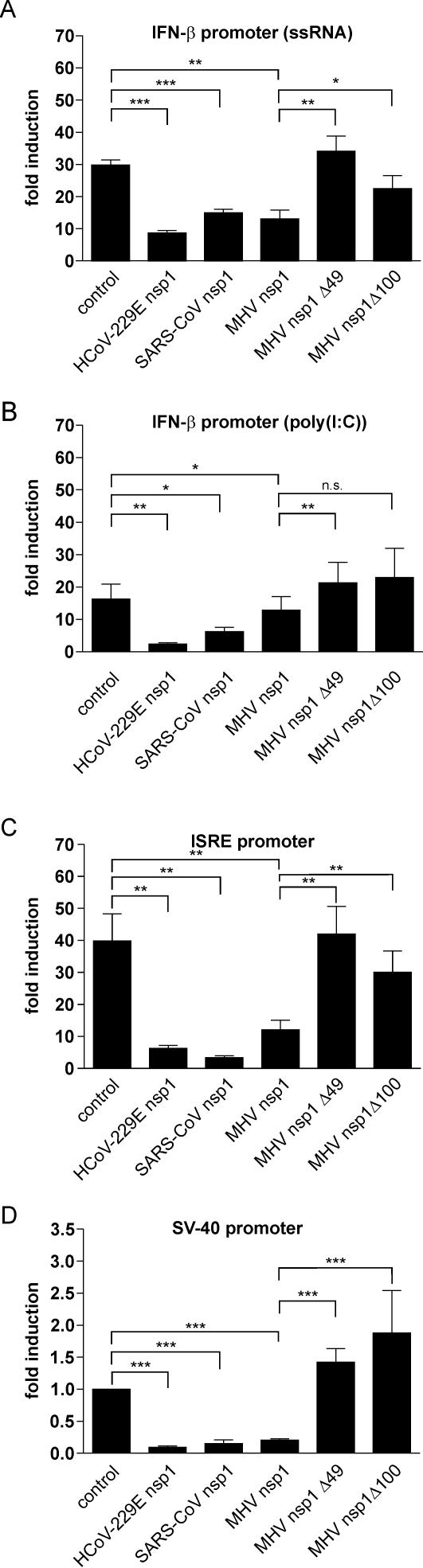
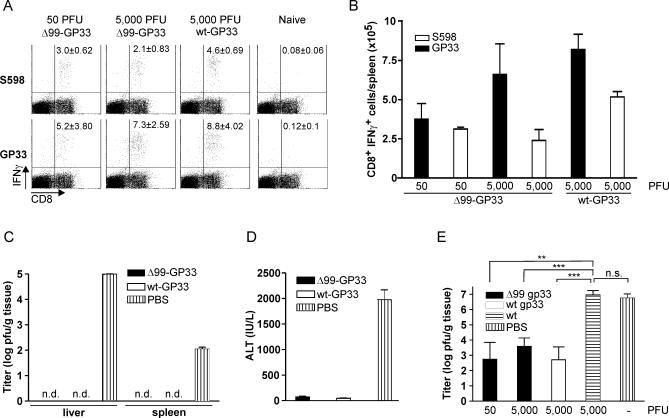
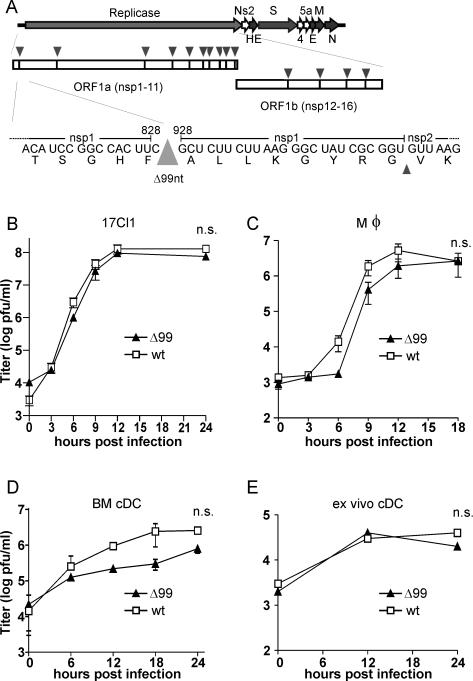
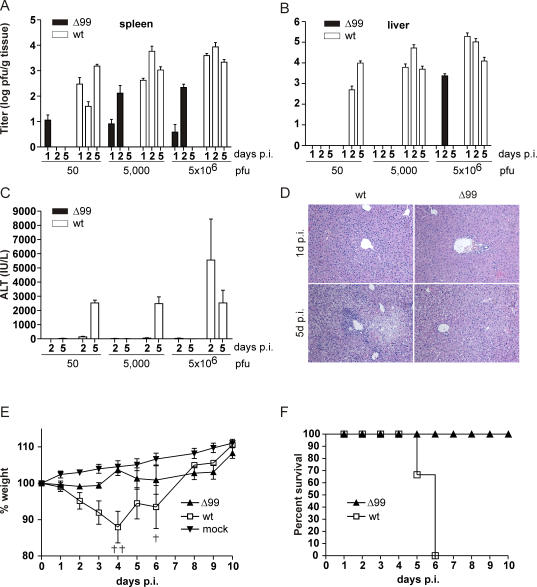
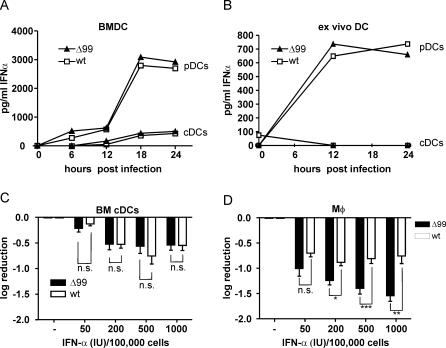
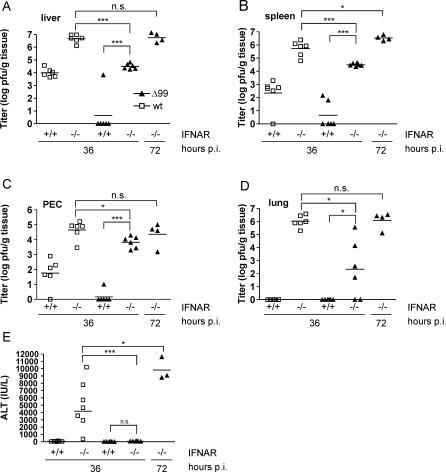
Attenuated viral vaccines can be generated by targeting essential pathogenicity factors. We report here the rational design of an attenuated recombinant coronavirus vaccine based on a deletion in the coding sequence of the non-structural protein 1 (nsp1). In cell culture, nsp1 of mouse hepatitis virus (MHV), like its SARS-coronavirus homolog, strongly reduced cellular gene expression. The effect of nsp1 on MHV replication in vitro and in vivo was analyzed using a recombinant MHV encoding a deletion in the nsp1-coding sequence. The recombinant MHV nsp1 mutant grew normally in tissue culture, but was severely attenuated in vivo. Replication and spread of the nsp1 mutant virus was restored almost to wild-type levels in type I interferon (IFN) receptor-deficient mice, indicating that nsp1 interferes efficiently with the type I IFN system. Importantly, replication of nsp1 mutant virus in professional antigen-presenting cells such as conventional dendritic cells and macrophages, and induction of type I IFN in plasmacytoid dendritic cells, was not impaired. Furthermore, even low doses of nsp1 mutant MHV elicited potent cytotoxic T cell responses and protected mice against homologous and heterologous virus challenge. Taken together, the presented attenuation strategy provides a paradigm for the development of highly efficient coronavirus vaccines.
减毒活疫苗可通过靶向关键致病因子来制备。我们在此报告一种基于非结构蛋白1(nsp1)编码序列缺失的减毒重组冠状病毒疫苗的合理设计。在细胞培养中,小鼠肝炎病毒(MHV)的nsp1与其SARS冠状病毒同源物一样,能强烈降低细胞基因表达。使用编码nsp1编码序列缺失的重组MHV分析了nsp1对MHV体外和体内复制的影响。重组MHV nsp1突变体在组织培养中生长正常,但在体内严重减毒。在I型干扰素(IFN)受体缺陷小鼠中,nsp1突变病毒的复制和传播几乎恢复到野生型水平,表明nsp1能有效干扰I型干扰素系统。重要的是,nsp1突变病毒在专业抗原呈递细胞如传统树突状细胞和巨噬细胞中的复制以及浆细胞样树突状细胞中I型干扰素的诱导均未受损。此外,即使低剂量的nsp1突变体MHV也能引发强烈的细胞毒性T细胞反应,并保护小鼠免受同源和异源病毒攻击。综上所述,所提出的减毒策略为高效冠状病毒疫苗的开发提供了一个范例。