Wu Chunlai, Daniels Richard W, DiAntonio Aaron
Department of Molecular Biology and Pharmacology, Washington University School of Medicine, St. Louis, MO 63110, USA.
Neural Dev. 2007 Aug 15;2:16. doi: 10.1186/1749-8104-2-16.
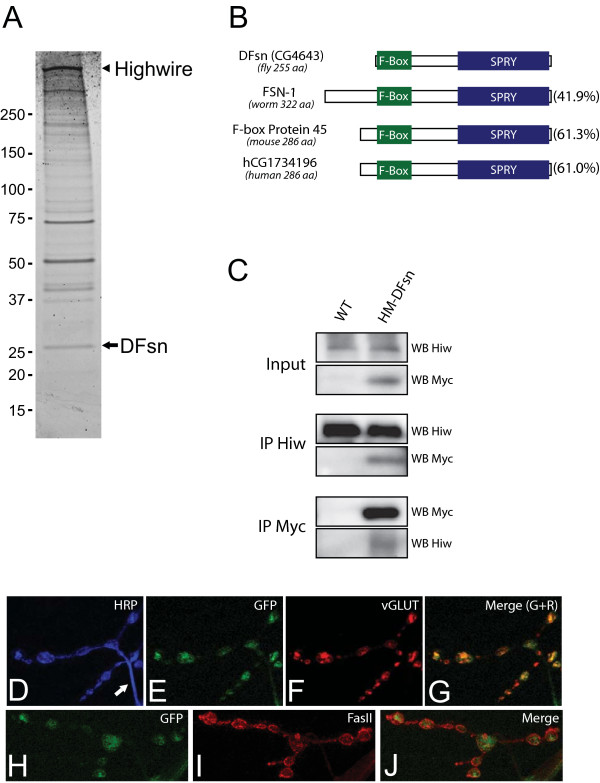
The growth of new synapses shapes the initial formation and subsequent rearrangement of neural circuitry. Genetic studies have demonstrated that the ubiquitin ligase Highwire restrains synaptic terminal growth by down-regulating the MAP kinase kinase kinase Wallenda/dual leucine zipper kinase (DLK). To investigate the mechanism of Highwire action, we have identified DFsn as a binding partner of Highwire and characterized the roles of DFsn in synapse development, synaptic transmission, and the regulation of Wallenda/DLK kinase abundance.
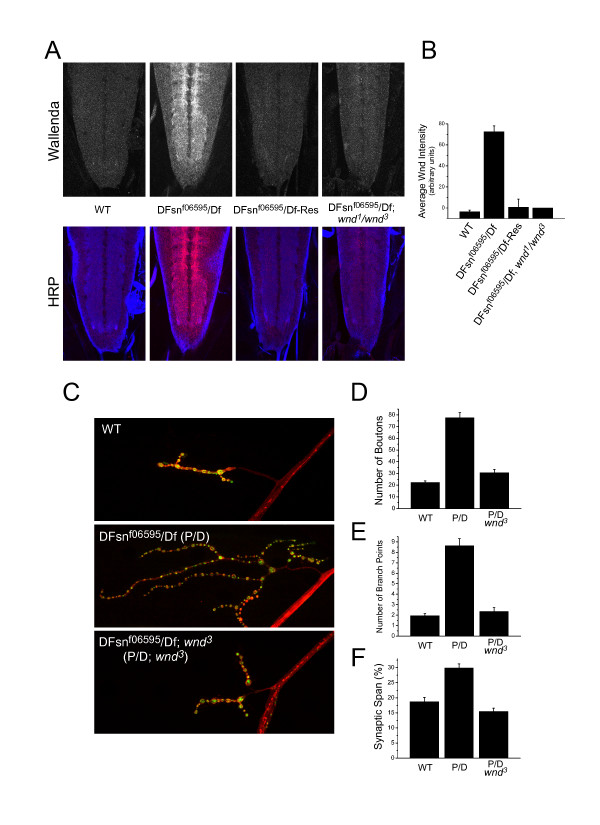
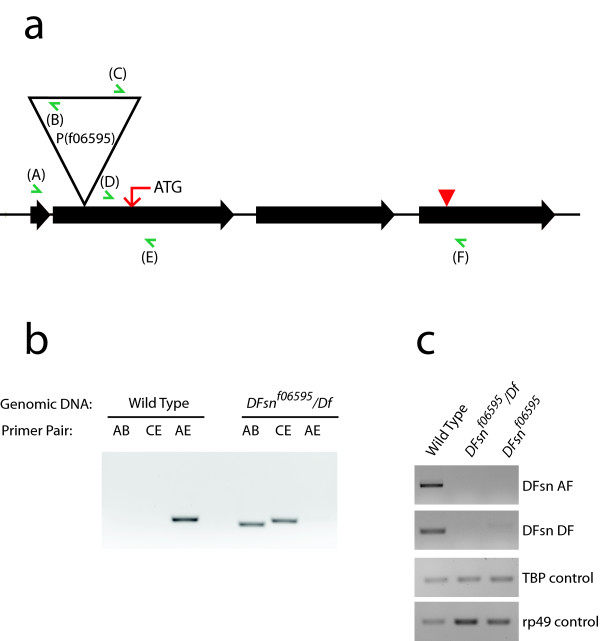
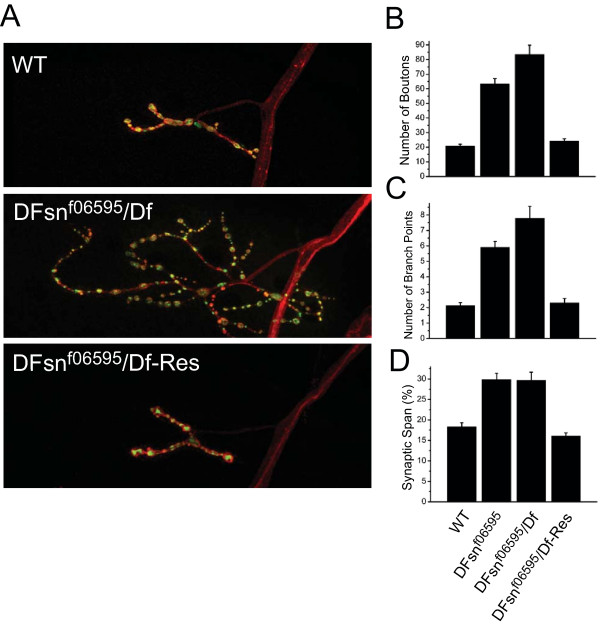
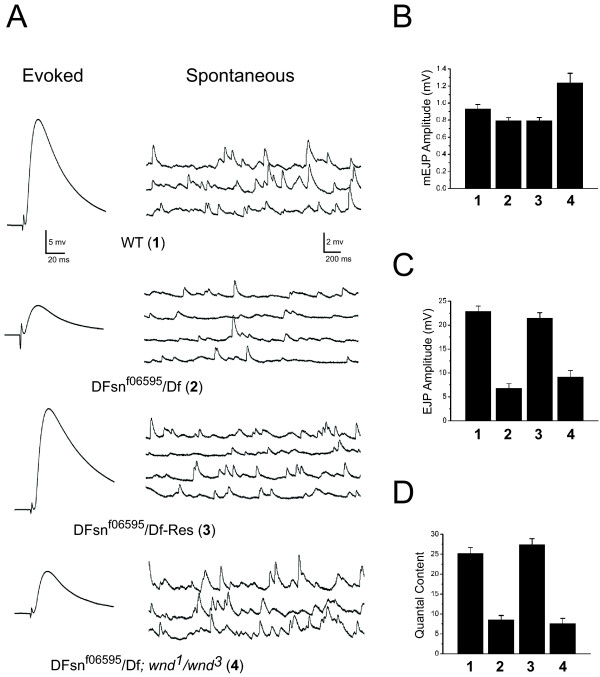
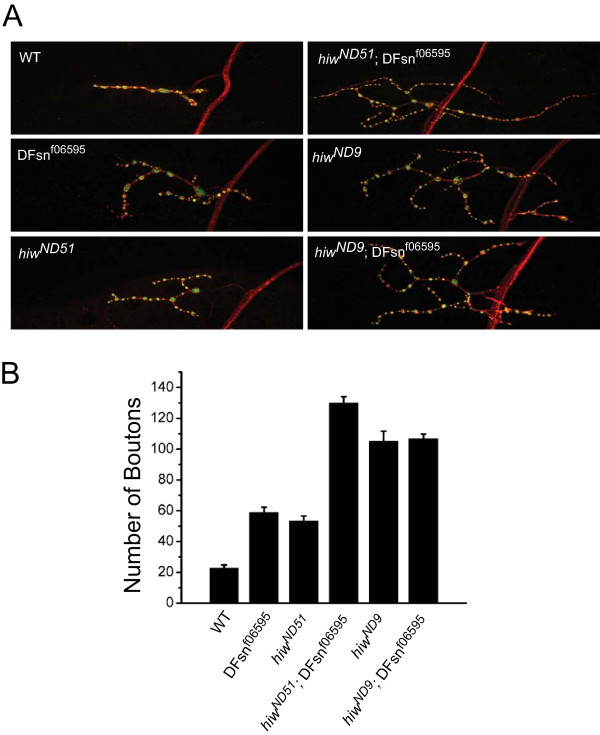
We identified DFsn as an F-box protein that binds to the RING-domain ubiquitin ligase Highwire and that can localize to the Drosophila neuromuscular junction. Loss-of-function mutants for DFsn have a phenotype that is very similar to highwire mutants - there is a dramatic overgrowth of synaptic termini, with a large increase in the number of synaptic boutons and branches. In addition, synaptic transmission is impaired in DFsn mutants. Genetic interactions between DFsn and highwire mutants indicate that DFsn and Highwire collaborate to restrain synaptic terminal growth. Finally, DFsn regulates the levels of the Wallenda/DLK kinase, and wallenda is necessary for DFsn-dependent synaptic terminal overgrowth.
The F-box protein DFsn binds the ubiquitin ligase Highwire and is required to down-regulate the levels of the Wallenda/DLK kinase and restrain synaptic terminal growth. We propose that DFsn and Highwire participate in an evolutionarily conserved ubiquitin ligase complex whose substrates regulate the structure and function of synapses.
新突触的生长塑造了神经回路的初始形成及随后的重排。遗传学研究表明,泛素连接酶Highwire通过下调丝裂原活化蛋白激酶激酶激酶Wallenda/双亮氨酸拉链激酶(DLK)来抑制突触终末生长。为了研究Highwire的作用机制,我们鉴定出DFsn作为Highwire的一个结合伴侣,并对DFsn在突触发育、突触传递以及Wallenda/DLK激酶丰度调节中的作用进行了表征。
我们鉴定出DFsn是一种F-box蛋白,它能与RING结构域泛素连接酶Highwire结合,并可定位于果蝇神经肌肉接头处。DFsn功能缺失突变体具有与highwire突变体非常相似的表型——突触终末显著过度生长,突触小体和分支数量大幅增加。此外,DFsn突变体中的突触传递受损。DFsn与highwire突变体之间的遗传相互作用表明,DFsn和Highwire协同抑制突触终末生长。最后,DFsn调节Wallenda/DLK激酶的水平,且wallenda对于DFsn依赖的突触终末过度生长是必需的。
F-box蛋白DFsn与泛素连接酶Highwire结合,是下调Wallenda/DLK激酶水平并抑制突触终末生长所必需的。我们提出,DFsn和Highwire参与了一个进化上保守的泛素连接酶复合物,其底物调节突触的结构和功能。