Rossignol Daniel A, Rossignol Lanier W, James S Jill, Melnyk Stepan, Mumper Elizabeth
International Child Development Resource Center, 3800 West Eau Gallie Blvd,, Suite 105, Melbourne, FL 32934, USA.
BMC Pediatr. 2007 Nov 16;7:36. doi: 10.1186/1471-2431-7-36.
Recently, hyperbaric oxygen therapy (HBOT) has increased in popularity as a treatment for autism. Numerous studies document oxidative stress and inflammation in individuals with autism; both of these conditions have demonstrated improvement with HBOT, along with enhancement of neurological function and cognitive performance. In this study, children with autism were treated with HBOT at atmospheric pressures and oxygen concentrations in current use for this condition. Changes in markers of oxidative stress and inflammation were measured. The children were evaluated to determine clinical effects and safety.
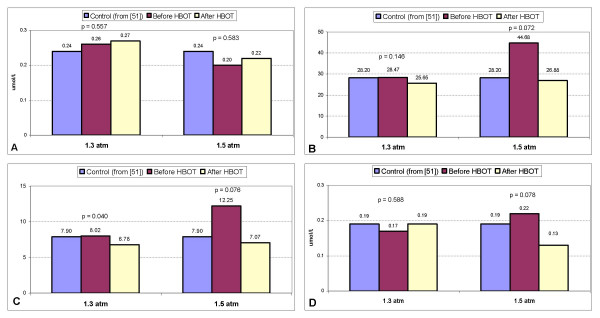
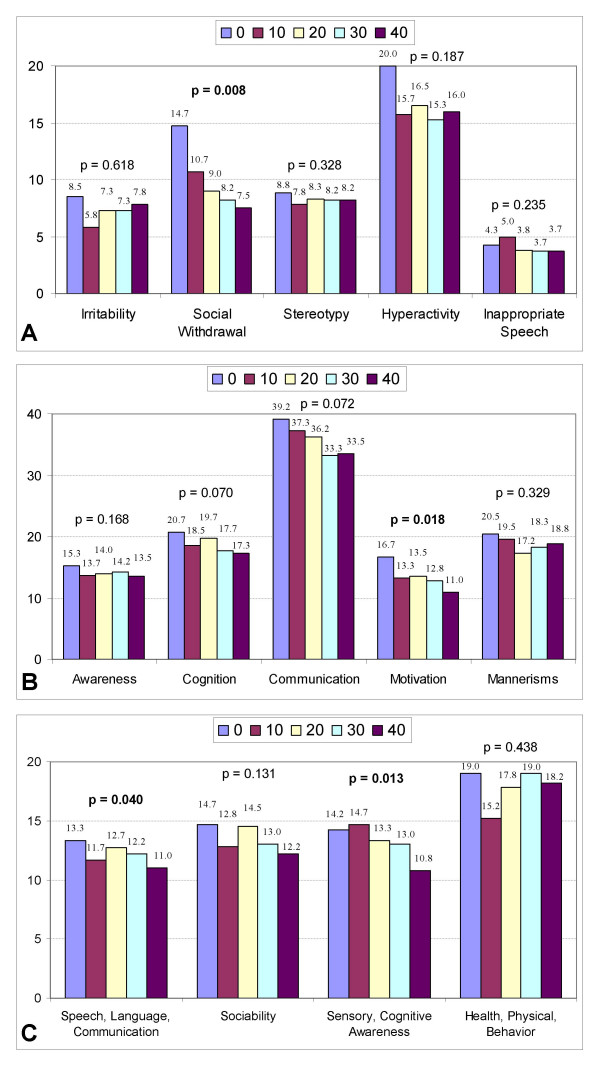
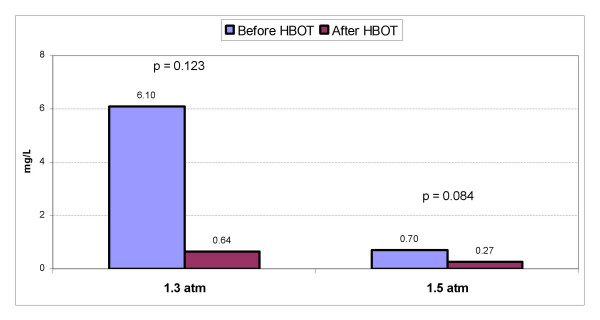
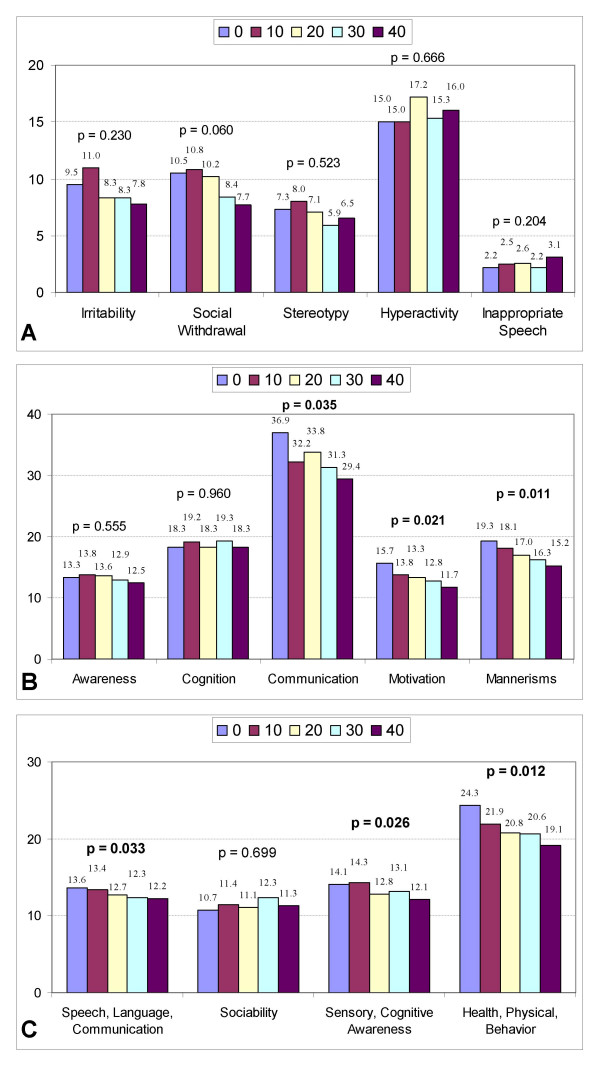
Eighteen children with autism, ages 3-16 years, underwent 40 hyperbaric sessions of 45 minutes duration each at either 1.5 atmospheres (atm) and 100% oxygen, or at 1.3 atm and 24% oxygen. Measurements of C-reactive protein (CRP) and markers of oxidative stress, including plasma oxidized glutathione (GSSG), were assessed by fasting blood draws collected before and after the 40 treatments. Changes in clinical symptoms, as rated by parents, were also assessed. The children were closely monitored for potential adverse effects.
At the endpoint of 40 hyperbaric sessions, neither group demonstrated statistically significant changes in mean plasma GSSG levels, indicating intracellular oxidative stress appears unaffected by either regimen. A trend towards improvement in mean CRP was present in both groups; the largest improvements were observed in children with initially higher elevations in CRP. When all 18 children were pooled, a significant improvement in CRP was found (p = 0.021). Pre- and post-parental observations indicated statistically significant improvements in both groups, including motivation, speech, and cognitive awareness (p < 0.05). No major adverse events were observed.
In this prospective pilot study of children with autism, HBOT at a maximum pressure of 1.5 atm with up to 100% oxygen was safe and well tolerated. HBOT did not appreciably worsen oxidative stress and significantly decreased inflammation as measured by CRP levels. Parental observations support anecdotal accounts of improvement in several domains of autism. However, since this was an open-label study, definitive statements regarding the efficacy of HBOT for the treatment of individuals with autism must await results from double-blind, controlled trials.
clinicaltrials.gov NCT00324909.
近年来,高压氧疗法(HBOT)作为一种治疗自闭症的方法越来越受欢迎。大量研究记录了自闭症患者体内的氧化应激和炎症反应;这两种情况在接受HBOT治疗后均有改善,同时神经功能和认知能力也得到了增强。在本研究中,自闭症儿童接受了当前用于该病症的常压和氧浓度下的HBOT治疗。测量了氧化应激和炎症标志物的变化。对儿童进行评估以确定临床效果和安全性。
18名年龄在3至16岁之间的自闭症儿童,分别在1.5个大气压(atm)和100%氧气或1.3 atm和24%氧气的条件下,进行了40次每次持续45分钟的高压治疗。通过在40次治疗前后采集的空腹血样,评估了C反应蛋白(CRP)和氧化应激标志物,包括血浆氧化型谷胱甘肽(GSSG)。还评估了家长评定的临床症状变化。对儿童进行密切监测以观察潜在的不良反应。
在40次高压治疗结束时,两组的平均血浆GSSG水平均未显示出统计学上的显著变化,表明两种治疗方案似乎均未影响细胞内氧化应激。两组均出现平均CRP改善的趋势;最初CRP升高幅度较大的儿童改善最为明显。当将所有18名儿童合并分析时,发现CRP有显著改善(p = 0.021)。家长治疗前后的观察表明,两组在动机、言语和认知意识方面均有统计学上的显著改善(p < 0.05)。未观察到重大不良事件。
在这项针对自闭症儿童的前瞻性初步研究中,最高压力为1.5 atm且氧气浓度高达100%的HBOT是安全且耐受性良好的。HBOT并未明显加重氧化应激,且通过CRP水平测量显示炎症显著减轻。家长的观察结果支持了自闭症多个领域有所改善的传闻。然而,由于这是一项开放标签研究,关于HBOT治疗自闭症个体疗效的确切结论必须等待双盲对照试验的结果。
clinicaltrials.gov NCT00324909。