Appel James Z, Lee Sean M, Hartwig Matthew G, Li Bin, Hsieh Chong-Chao, Cantu Edward, Yoon Yonghan, Lin Shu S, Parker William, Davis R Duane
Transplant Immunobiology Laboratory, Department of Surgery, Duke University Medical Center, Durham, NC 27710, USA.
Respir Res. 2007 Nov 27;8(1):87. doi: 10.1186/1465-9921-8-87.
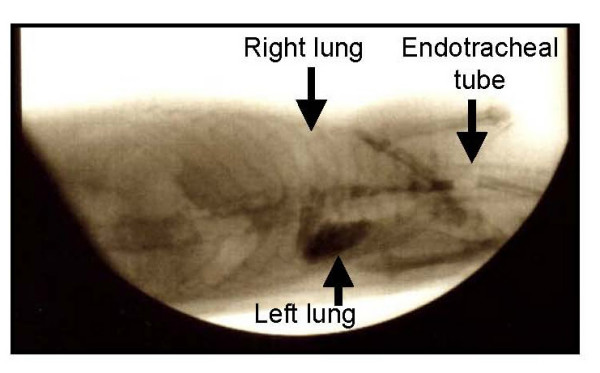
Although chronic aspiration has been associated with several pulmonary diseases, the inflammatory response has not been characterized. A novel rodent model of chronic aspiration was therefore developed in order to investigate the resulting innate immune response in the lung.
Gastric fluid or normal saline was instilled into the left lung of rats (n = 48) weekly for 4, 8, 12, or 16 weeks (n = 6 each group). Thereafter, bronchoalveolar lavage specimens were collected and cellular phenotypes and cytokine concentrations of IL-1alpha, IL-1beta, IL-2, IL-4, IL-6, IL-10, GM-CSF, IFN-gamma, TNF-alpha, and TGF-beta were determined.
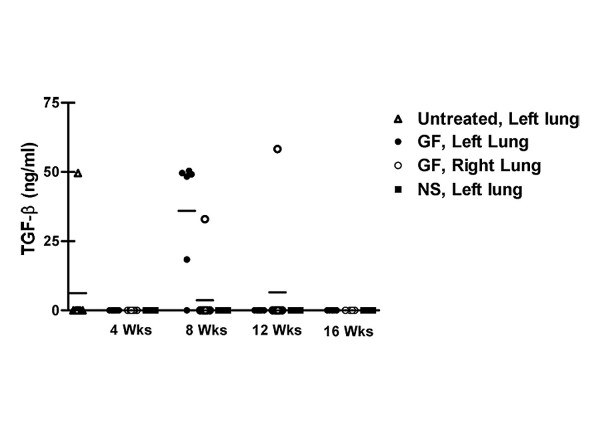
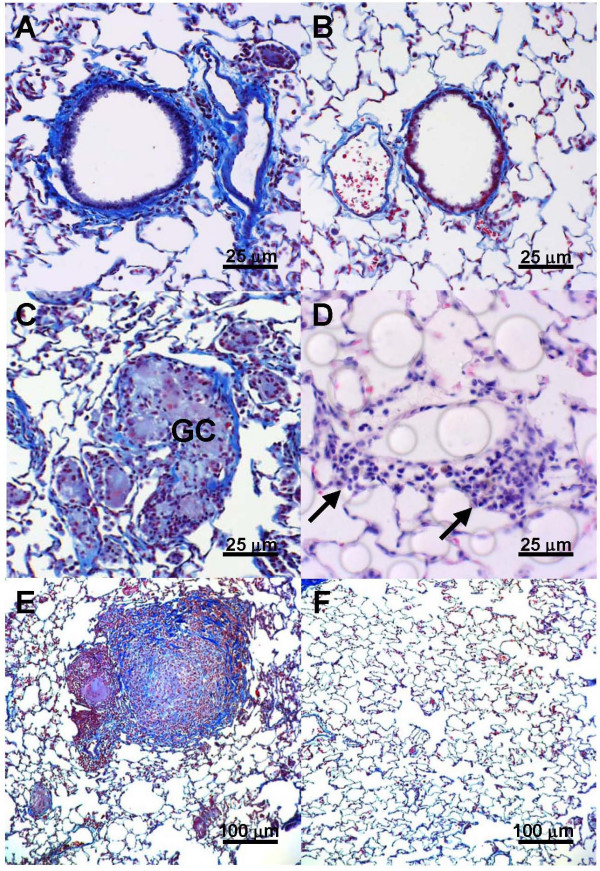
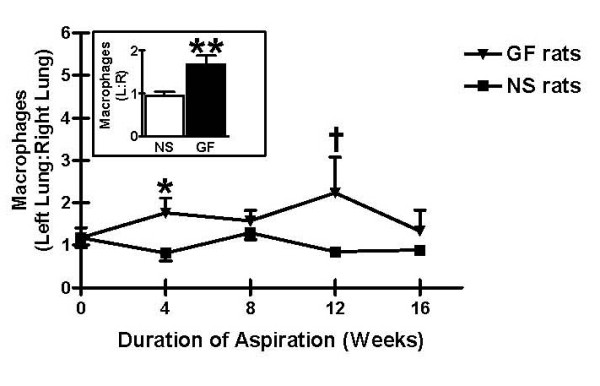
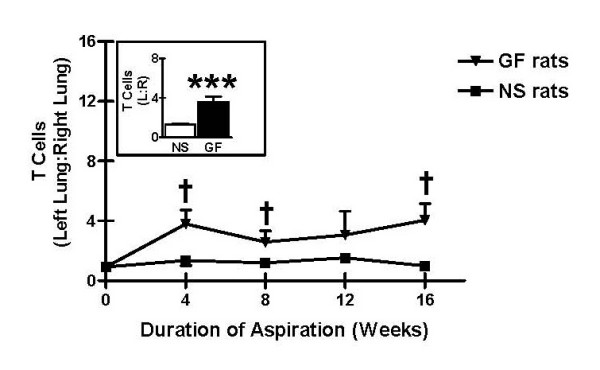
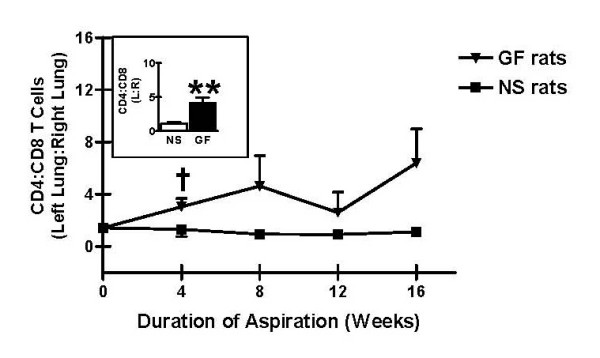
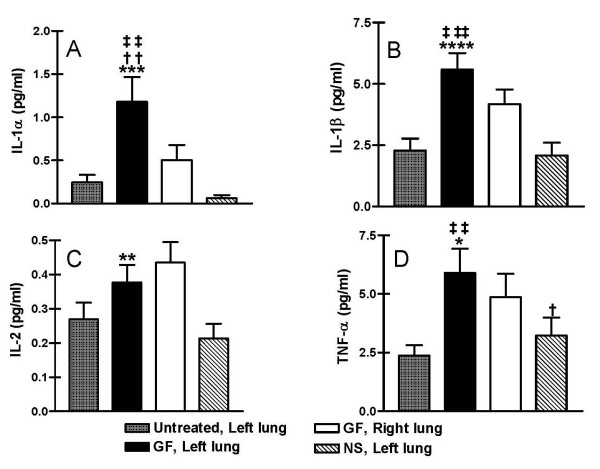
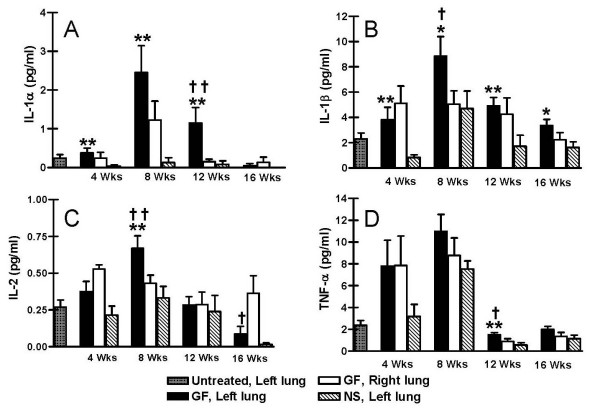
Following the administration of gastric fluid but not normal saline, histologic specimens exhibited prominent evidence of giant cells, fibrosis, lymphocytic bronchiolitis, and obliterative bronchiolitis. Bronchoalveolar lavage specimens from the left (treated) lungs exhibited consistently higher macrophages and T cells with an increased CD4:CD8 T cell ratio after treatment with gastric fluid compared to normal saline. The concentrations of IL-1alpha, IL-1beta, IL-2, TNF-alpha and TGF-beta were increased in bronchoalveolar lavage specimens following gastric fluid aspiration compared to normal saline.
This represents the first description of the pulmonary inflammatory response that results from chronic aspiration. Repetitive aspiration events can initiate an inflammatory response consisting of macrophages and T cells that is associated with increased TGF-beta, TNF-alpha, IL-1alpha, IL-1beta, IL-2 and fibrosis in the lung. Combined with the observation of gastric fluid-induced lymphocyitic bronchiolitis and obliterative bronchiolitis, these findings further support an association between chronic aspiration and pulmonary diseases, such as obliterative bronchiolitis, pulmonary fibrosis, and asthma.
尽管慢性误吸与多种肺部疾病相关,但炎症反应尚未得到明确描述。因此,为了研究肺部由此产生的先天性免疫反应,开发了一种新型的慢性误吸啮齿动物模型。
每周向大鼠(n = 48)的左肺中滴注胃液或生理盐水,持续4、8、12或16周(每组n = 6)。此后,收集支气管肺泡灌洗标本,测定细胞表型以及白细胞介素-1α、白细胞介素-1β、白细胞介素-2、白细胞介素-4、白细胞介素-6、白细胞介素-10、粒细胞-巨噬细胞集落刺激因子、干扰素-γ、肿瘤坏死因子-α和转化生长因子-β的细胞因子浓度。
给予胃液而非生理盐水后,组织学标本显示出巨细胞、纤维化、淋巴细胞性细支气管炎和闭塞性细支气管炎的明显证据。与生理盐水相比,来自左(处理过的)肺的支气管肺泡灌洗标本在给予胃液处理后,巨噬细胞和T细胞始终增多,CD4:CD8 T细胞比值增加。与生理盐水相比,胃液误吸后支气管肺泡灌洗标本中白细胞介素-1α、白细胞介素-1β、白细胞介素-2、肿瘤坏死因子-α和转化生长因子-β的浓度升高。
这是对慢性误吸导致的肺部炎症反应的首次描述。反复误吸事件可引发由巨噬细胞和T细胞组成的炎症反应,这与肺中转化生长因子-β、肿瘤坏死因子-α、白细胞介素-1α、白细胞介素-1β、白细胞介素-2增加以及纤维化有关。结合胃液诱导的淋巴细胞性细支气管炎和闭塞性细支气管炎的观察结果,这些发现进一步支持了慢性误吸与肺部疾病(如闭塞性细支气管炎、肺纤维化和哮喘)之间的关联。