Guo Xinglin, Wang Yong, Spencer Paulette, Ye Qiang, Yao Xiaomei
Department of Oral Biology, University of Missouri-Kansas City, School of Dentistry, 650 E. 25th Street, Kansas City, MO 64108, USA.
Dent Mater. 2008 Jun;24(6):824-31. doi: 10.1016/j.dental.2007.10.003. Epub 2007 Nov 28.
The purpose of this study was to evaluate the effects of photoinitiator type and water content on the polymerization rate (Rp) and degree of conversion (DC) of a model BisGMA/HEMA-based resin.
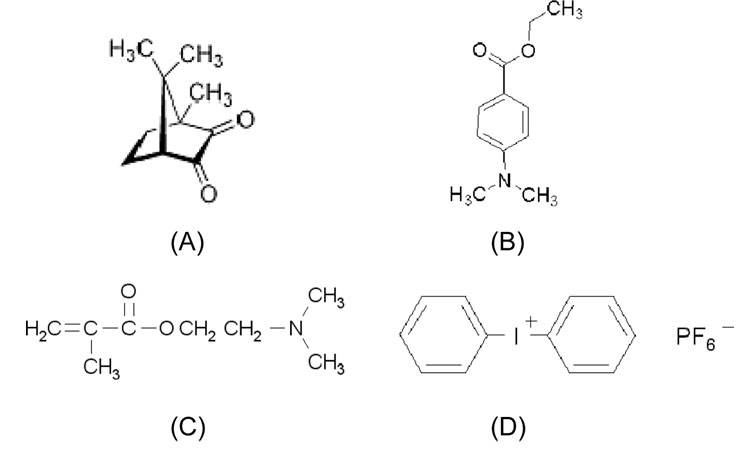
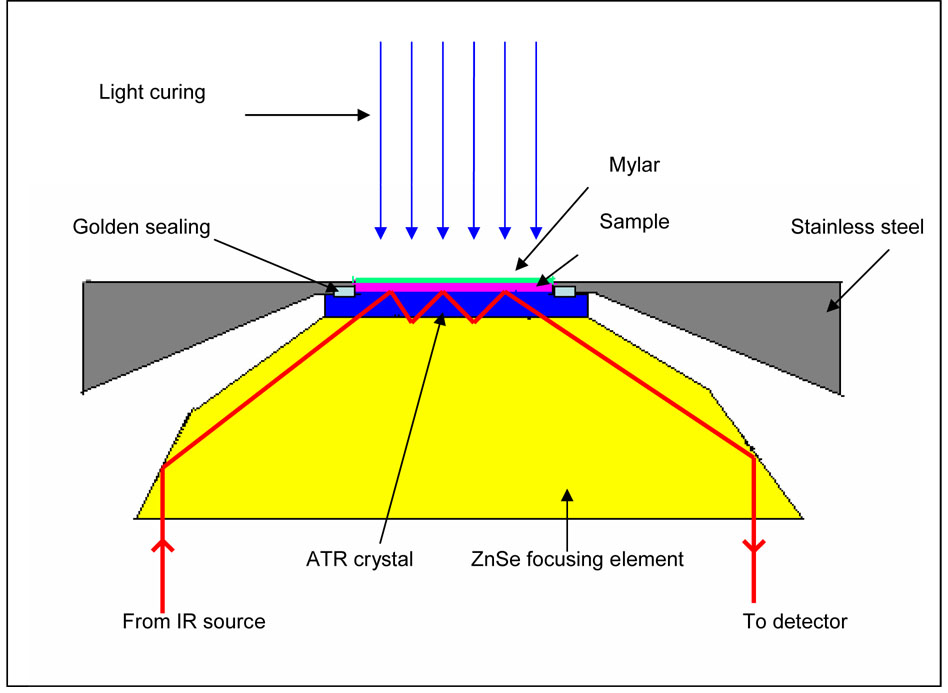
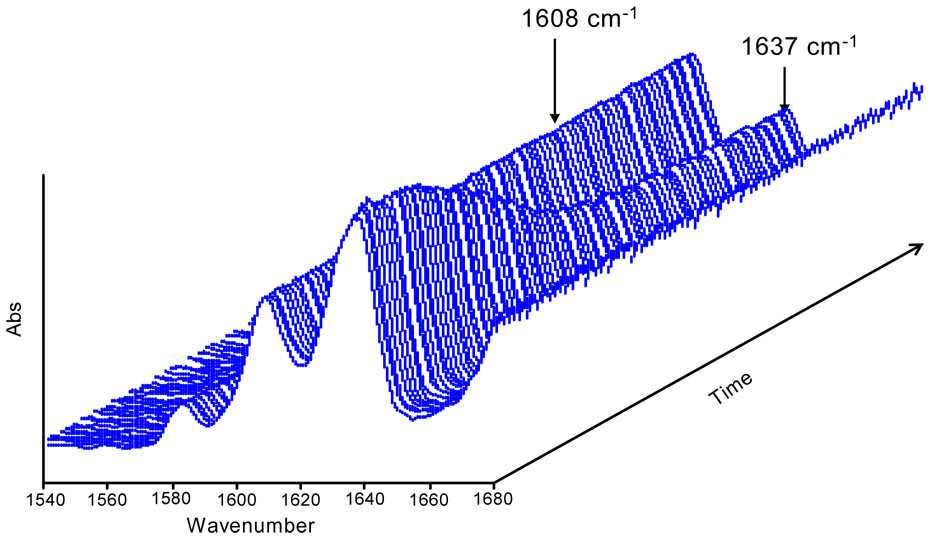
The comonomer mixture consisted of BisGMA/HEMA (60/40 by weight). Different two- or three-component photoinitiator systems were incorporated. Two-component systems were 0.5% CQ (camphorquinone) and 0.5% DMAEMA (2-(dimethylamino) ethyl methacrylate) or 0.5% CQ and 0.5% 4E (ethyl 4-dimethylaminobenzoate). The three-component systems were added 1% DPIHP (diphenyliodonium hexafluorophosphate) to the above systems. Each system was tested as made, or after addition of 5, 10, 15wt% water. When cured under a conventional dental light, the Rp and DC of each formulation was determined using time-resolved attenuated total reflection (ATR)-Fourier transform infrared (FTIR) spectroscopy.
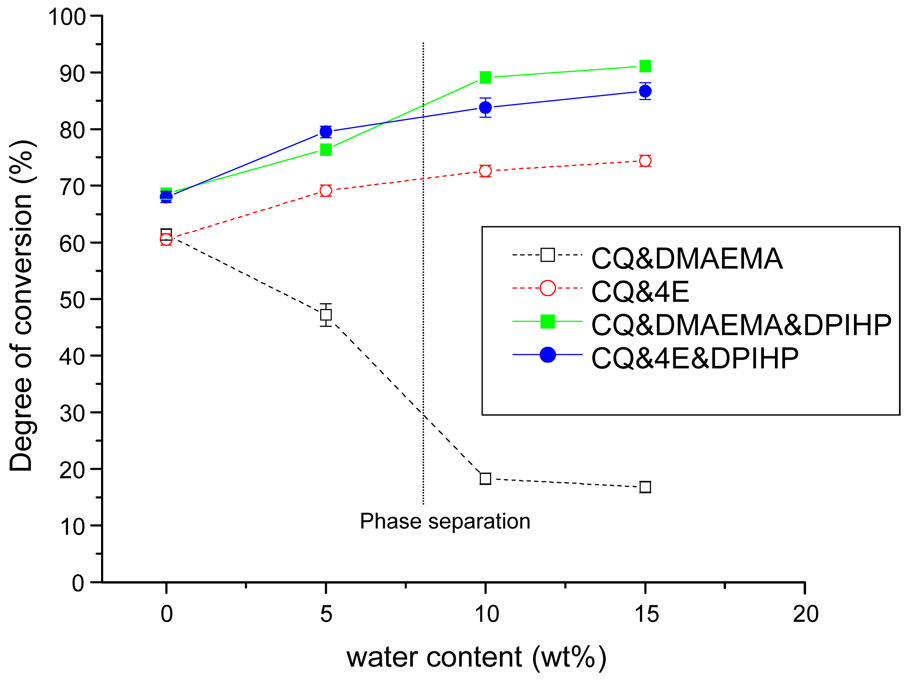
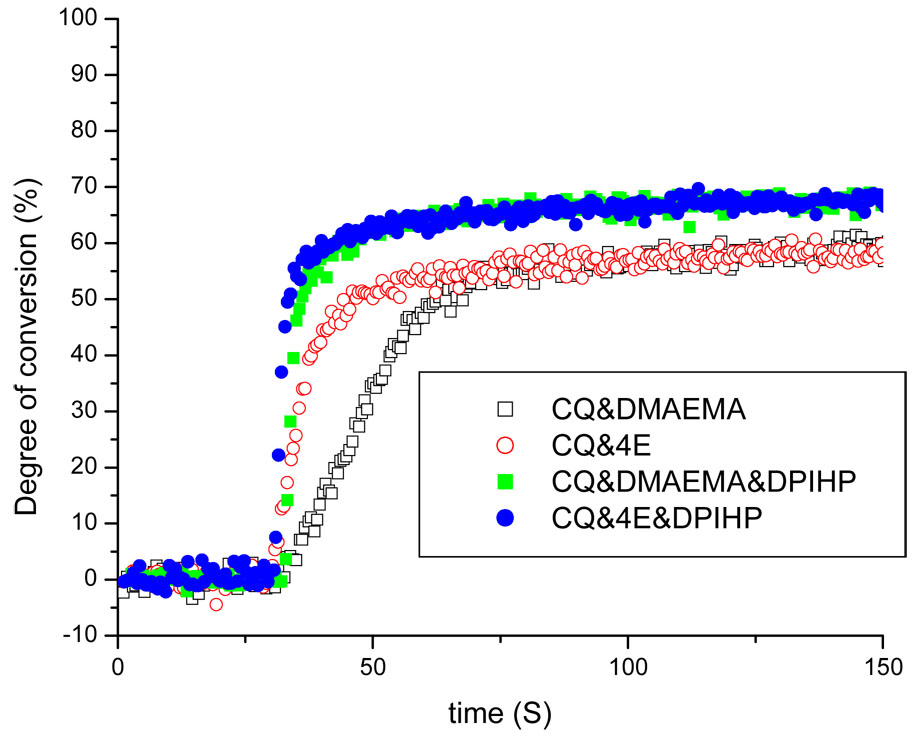
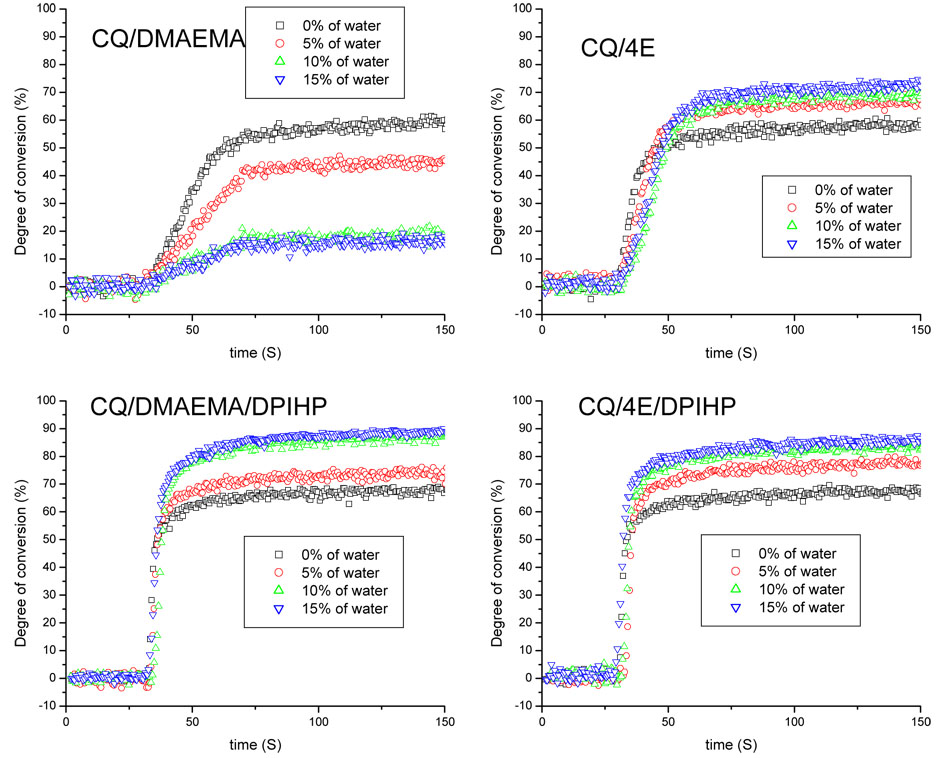
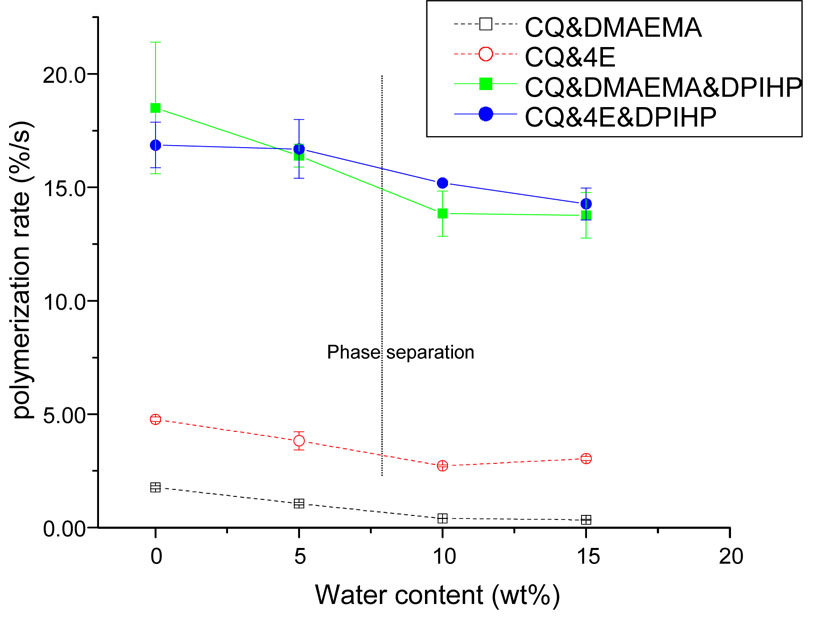
For mixtures containing two-component initiator systems, when the hydrophobic initiator CQ was used in combination with hydrophilic DMAEMA, Rps and DCs were dramatically decreased as a function of water content. The Rps and DCs of the hydrophobic CQ/4E system were higher than those of the CQ/DMAEMA system in the presence of water. For three-component initiator systems, incorporation of DPIHP enhanced the polymerization of all mixtures in the presence of water compared to their counterpart two-component initiators. Interestingly, the CQ/DMAEMA caused greater DC and Rp when DPIHP was used.
The hydrophobicity/hydrophilicity of photoinitiator components significantly affects both the DC as well as Rp when in the presence of water. The results indicate that formulation of photoinitiator components should be based on the effectiveness of the bonding systems under both dry and wet conditions.
本研究旨在评估光引发剂类型和含水量对基于双甲基丙烯酸缩水甘油酯/甲基丙烯酸羟乙酯(BisGMA/HEMA)的模型树脂聚合速率(Rp)和转化率(DC)的影响。
共聚单体混合物由BisGMA/HEMA(重量比60/40)组成。加入了不同的二元或三元光引发剂体系。二元体系为0.5%樟脑醌(CQ)和0.5%甲基丙烯酸2-(二甲氨基)乙酯(DMAEMA)或0.5% CQ和0.5% 4-二甲基氨基苯甲酸乙酯(4E)。三元体系是在上述体系中添加1%六氟磷酸二苯基碘鎓(DPIHP)。每个体系在制成后或添加5%、10%、15%重量的水后进行测试。在传统牙科光线下固化时,使用时间分辨衰减全反射(ATR)-傅里叶变换红外(FTIR)光谱法测定每种配方的Rp和DC。
对于含有二元引发剂体系的混合物,当疏水性引发剂CQ与亲水性DMAEMA组合使用时,Rp和DC随含水量显著降低。在有水存在的情况下,疏水性CQ/4E体系的Rp和DC高于CQ/DMAEMA体系。对于三元引发剂体系,与相应的二元引发剂相比,添加DPIHP增强了所有混合物在有水存在时的聚合。有趣的是,当使用DPIHP时,CQ/DMAEMA导致更高的DC和Rp。
光引发剂组分的疏水性/亲水性在有水存在时对DC和Rp均有显著影响。结果表明,光引发剂组分的配方应基于干燥和潮湿条件下粘结体系的有效性。