Christo Paulo P, Greco Dirceu B, Aleixo Agdemir W, Livramento Jose A
Eduardo de Menezes Hospital, FHEMIG, Belo Horizonte, MG, Brasil.
BMC Infect Dis. 2007 Dec 21;7:147. doi: 10.1186/1471-2334-7-147.
In the central nervous system, HIV replication can occur relatively independent of systemic infection, and intrathecal replication of HIV-1 has been observed in patients with HIV-related and opportunistic neurological diseases. The clinical usefulness of HIV-1 RNA detection in the cerebrospinal fluid (CSF) of patients with opportunistic neurological diseases, or the effect of opportunistic diseases on CSF HIV levels in patients under HAART has not been well defined. We quantified CSF and plasma viral load in HIV-infected patients with and without different active opportunistic neurological diseases, determined the characteristics that led to a higher detection rate of HIV RNA in CSF, and compared these two compartments.
A prospective study was conducted on 90 HIV-infected patients submitted to lumbar puncture as part of a work-up for suspected neurological disease. Seventy-one patients had active neurological diseases while the remaining 19 did not.
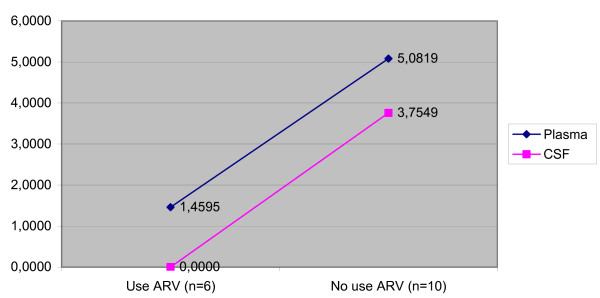
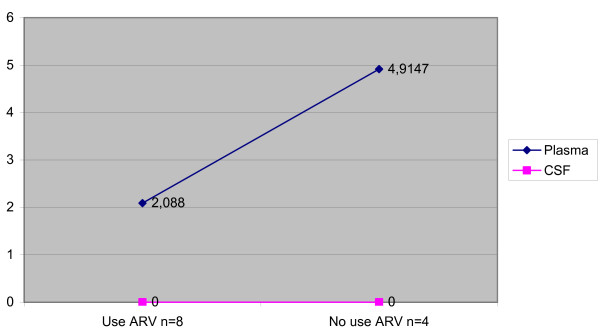
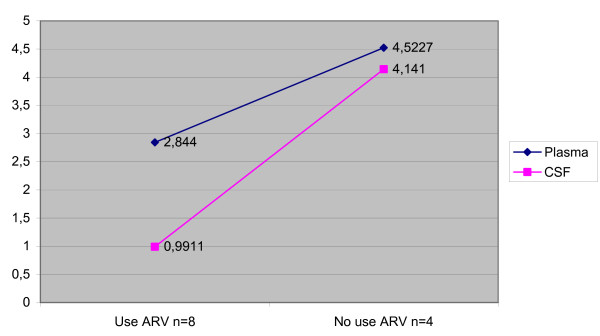
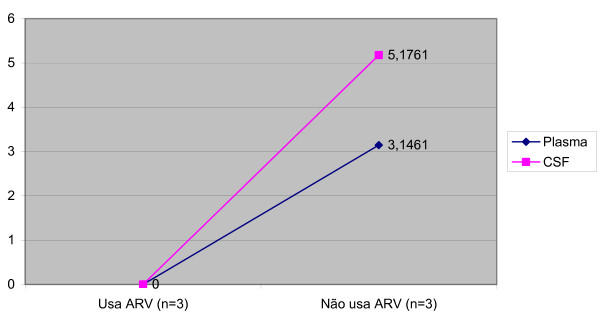
HIV-1 RNA was quantified in 90 CSF and 70 plasma samples. The HIV-1 RNA detection rate in CSF was higher in patients with neurological diseases, in those with a CD4 count lower than 200 cells/mm3, and in those not receiving antiretroviral therapy, as well as in patients with detectable plasma HIV-1 RNA. Median viral load was lower in CSF than in plasma in the total population, in patients without neurological diseases, and in patients with toxoplasmic encephalitis, while no significant difference between the two compartments was observed for patients with cryptococcal meningitis and HIV-associated dementia. CSF viral load was lower in patients with cryptococcal meningitis and neurotoxoplasmosis under HAART than in those not receiving HAART.
Detection of HIV-1 RNA in CSF was more frequent in patients with neurological disease, a CD4 count lower than 200 cells/mm3 and detectable plasma HIV-1. Median HIV-1 RNA levels were generally lower in CSF than in plasma but some patients showed higher CSF levels, and no difference between these two compartments was observed in patients with cryptococcal meningitis and HIV-associated dementia, suggesting the presence of intrathecal viral replication in these patients. HAART played a role in the control of CSF HIV levels even in patients with cryptococcal meningitis and neurotoxoplasmosis in whom viral replication is potentially higher.
在中枢神经系统中,HIV复制可相对独立于全身感染而发生,并且在患有HIV相关和机会性神经疾病的患者中已观察到HIV-1的鞘内复制。机会性神经疾病患者脑脊液(CSF)中HIV-1 RNA检测的临床实用性,或机会性疾病对接受高效抗逆转录病毒治疗(HAART)患者脑脊液HIV水平的影响尚未明确界定。我们对患有和未患有不同活动性机会性神经疾病的HIV感染患者的脑脊液和血浆病毒载量进行了定量,确定了导致脑脊液中HIV RNA检测率较高的特征,并比较了这两个样本。
对90例因疑似神经疾病接受腰椎穿刺检查的HIV感染患者进行了一项前瞻性研究。71例患者患有活动性神经疾病,其余19例没有。
对90份脑脊液样本和70份血浆样本进行了HIV-1 RNA定量。患有神经疾病的患者、CD4计数低于200个细胞/mm3的患者、未接受抗逆转录病毒治疗的患者以及血浆中可检测到HIV-1 RNA的患者,其脑脊液中HIV-1 RNA的检测率较高。在总人群、没有神经疾病的患者以及患有弓形虫脑炎的患者中,脑脊液中的病毒载量中位数低于血浆,而对于患有隐球菌性脑膜炎和HIV相关痴呆的患者,两个样本之间未观察到显著差异。接受HAART治疗的隐球菌性脑膜炎和神经弓形虫病患者的脑脊液病毒载量低于未接受HAART治疗的患者。
患有神经疾病、CD4计数低于200个细胞/mm3且血浆中可检测到HIV-1的患者,脑脊液中HIV-1 RNA的检测更为频繁。HIV-1 RNA水平中位数通常在脑脊液中低于血浆,但一些患者脑脊液水平较高,在患有隐球菌性脑膜炎和HIV相关痴呆的患者中,这两个样本之间未观察到差异,提示这些患者存在鞘内病毒复制。即使在病毒复制可能较高的隐球菌性脑膜炎和神经弓形虫病患者中,HAART在控制脑脊液HIV水平方面也发挥了作用。