
初级保健患者中的糖尿病和血脂筛查:一项队列研究。
Diabetes and lipid screening among patients in primary care: a cohort study.
作者信息
Rifas-Shiman Sheryl L, Forman John P, Lane Kimberly, Caspard Herve, Gillman Matthew W
机构信息
Obesity Prevention Program, Department of Ambulatory Care and Prevention, Harvard Medical School/Harvard Pilgrim Health Care, 133 Brookline Avenue, 6th Floor, Boston, Massachusetts 02215, USA.
出版信息
BMC Health Serv Res. 2008 Jan 30;8:25. doi: 10.1186/1472-6963-8-25.
BACKGROUND
Obesity is associated with increased cardiovascular diseases and diabetes mellitus. Guidelines call for intensified glucose and lipid screening among overweight and obese patients. Data on compliance with these guidelines are scarce. The purpose of this study was to assess rates of diabetes and lipid screening in primary care according to demographic variables and weight status.
METHODS
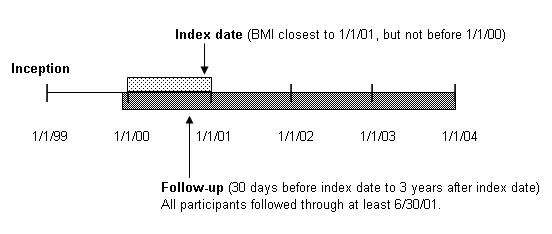
Over a 3-year follow-up period, we assessed screening rates for blood glucose, triglycerides, and HDL- and LDL-cholesterol among 5025 patients in primary care. From proportional hazards models we estimated screening rates among low, moderate, high, and very-high risk patients and compared them with recommendations of the American Diabetes Association (ADA), National Cholesterol Education Program (ATP III) and U.S. Preventive Services Task Force (USPSTF).
RESULTS
Mean (SD) age was 47.4 (15.6); 69% were female, 21% were non-white, and 30% of males and 25% of females were obese (BMI > or = 30 kg/m2). For both diabetes and lipid screening, the adjusted hazard was 260-330% higher among > or = 65 than < 35 year-olds, 50-90% higher in persons with BMI > or = 35 than < 25 kg/m2, 10-30% lower for females than males, and not lower among racial/ethnic minorities. Screening rates were at least 80% among very-high risk persons, which we defined as 55-64 years old, BMI > or = 35 kg/m2, non-white, with baseline hypertension. In contrast, high-risk persons who were younger (35-44 years old) and less obese (BMI 30-<35 kg/m2) were screened less often (43% for LDL-cholesterol among females to 83% for diabetes among males) even though ADA, ATP III and USPSTF recommend diabetes and lipid screening among them.
CONCLUSION
Patients with higher BMI or age were more likely to be screened for cardiometabolic risk factors. Women were screened at lower rates than men. Even in a highly structured medical group practice, some obese patients were under-screened for diabetes and dyslipidemia.
背景
肥胖与心血管疾病和糖尿病的发病率增加有关。指南要求对超重和肥胖患者加强血糖和血脂筛查。关于这些指南依从性的数据很少。本研究的目的是根据人口统计学变量和体重状况评估初级保健中糖尿病和血脂筛查的比率。
方法
在3年的随访期内,我们评估了5025名初级保健患者的血糖、甘油三酯、高密度脂蛋白胆固醇和低密度脂蛋白胆固醇的筛查率。通过比例风险模型,我们估计了低、中、高和极高风险患者的筛查率,并将其与美国糖尿病协会(ADA)、国家胆固醇教育计划(ATP III)和美国预防服务工作组(USPSTF)的建议进行了比较。
结果
平均(标准差)年龄为47.4(15.6)岁;69%为女性,21%为非白人,30%的男性和25%的女性肥胖(BMI≥30kg/m2)。对于糖尿病和血脂筛查,65岁及以上人群的校正风险比35岁以下人群高260%-330%,BMI≥35kg/m2的人群比BMI<25kg/m2的人群高50%-90%,女性比男性低10%-30%,种族/族裔少数群体的筛查率并不低。在我们定义为55-64岁、BMI≥35kg/m2、非白人且有基线高血压的极高风险人群中,筛查率至少为80%。相比之下,年龄较小(35-44岁)且肥胖程度较低(BMI 30-<35kg/m2)的高风险人群筛查频率较低(女性中低密度脂蛋白胆固醇筛查率为43%,男性中糖尿病筛查率为83%),尽管ADA、ATP III和USPSTF建议对他们进行糖尿病和血脂筛查。
结论
BMI较高或年龄较大的患者更有可能接受心脏代谢危险因素的筛查。女性的筛查率低于男性。即使在高度结构化的医疗集团实践中,一些肥胖患者的糖尿病和血脂异常筛查也不足。
 Zotero 插件