Yanay Chava, Morpurgo Noa, Linial Michal
Department of Biological Chemistry, Institute of Life Sciences, Givat Ram Campus, Hebrew University of Jerusalem, Jerusalem 91904, Israel.
Genome Biol. 2008;9(2):R27. doi: 10.1186/gb-2008-9-2-r27. Epub 2008 Feb 7.
The molecular components in synapses that are essential to the life cycle of synaptic vesicles are well characterized. Nonetheless, many aspects of synaptic processes, in particular how they relate to complex behaviour, remain elusive. The genomes of flies, mosquitoes, the honeybee and the beetle are now fully sequenced and span an evolutionary breadth of about 350 million years; this provides a unique opportunity to conduct a comparative genomics study of the synapse.
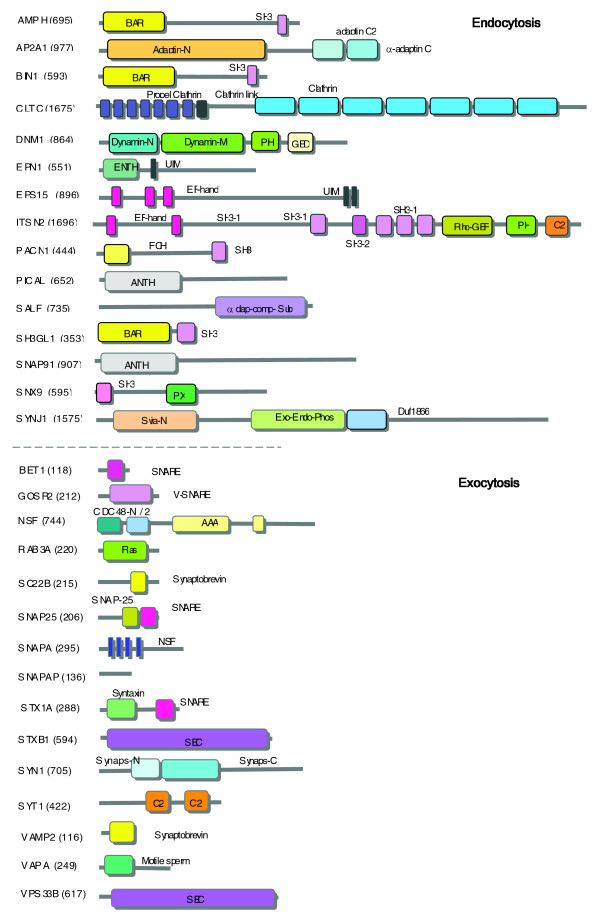
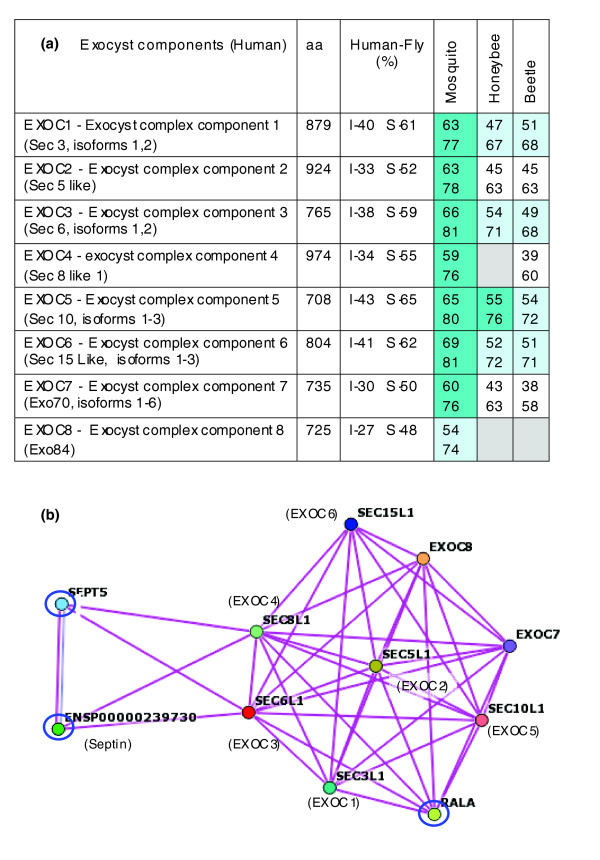
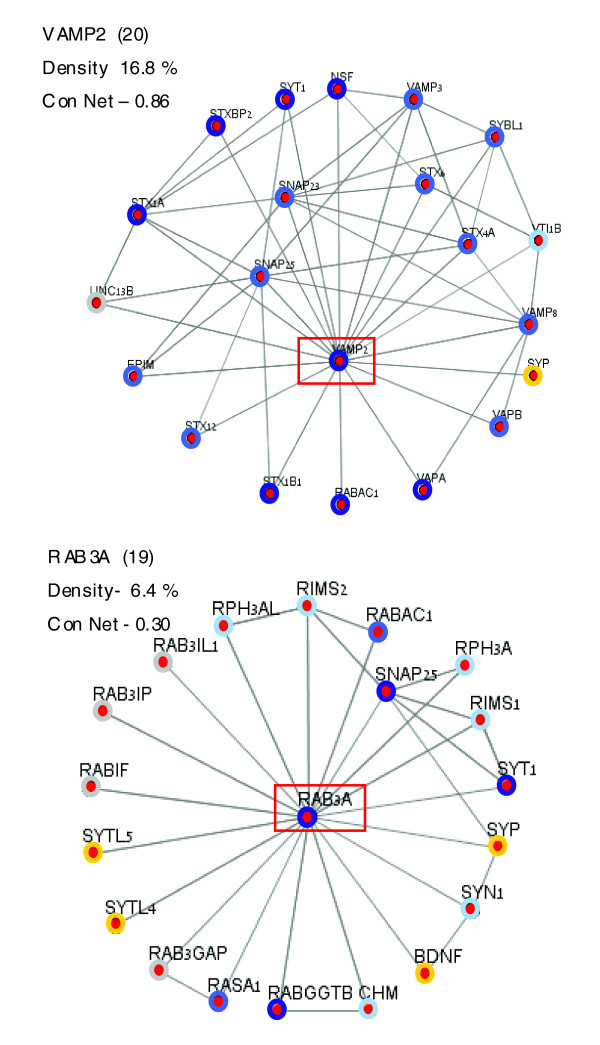
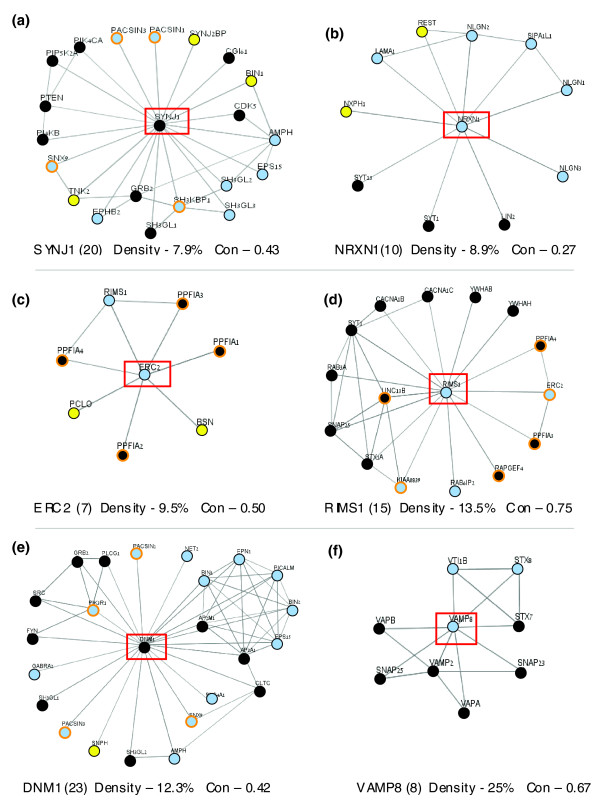
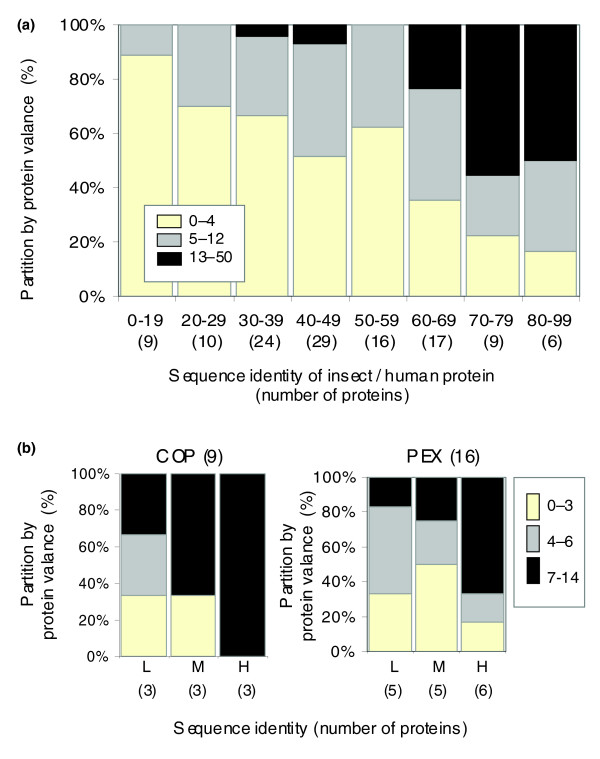
We compiled a list of 120 gene prototypes that comprise the core of presynaptic structures in insects. Insects lack several scaffolding proteins in the active zone, such as bassoon and piccollo, and the most abundant protein in the mammalian synaptic vesicle, namely synaptophysin. The pattern of evolution of synaptic protein complexes is analyzed. According to this analysis, the components of presynaptic complexes as well as proteins that take part in organelle biogenesis are tightly coordinated. Most synaptic proteins are involved in rich protein interaction networks. Overall, the number of interacting proteins and the degrees of sequence conservation between human and insects are closely correlated. Such a correlation holds for exocytotic but not for endocytotic proteins.
This comparative study of human with insects sheds light on the composition and assembly of protein complexes in the synapse. Specifically, the nature of the protein interaction graphs differentiate exocytotic from endocytotic proteins and suggest unique evolutionary constraints for each set. General principles in the design of proteins of the presynaptic site can be inferred from a comparative study of human and insect genomes.
对突触小泡生命周期至关重要的突触分子成分已得到充分表征。然而,突触过程的许多方面,尤其是它们与复杂行为的关系,仍然难以捉摸。果蝇、蚊子、蜜蜂和甲虫的基因组现已完全测序,跨越约3.5亿年的进化广度;这为进行突触的比较基因组学研究提供了独特的机会。
我们编制了一份包含120个基因原型的列表,这些基因构成了昆虫突触前结构的核心。昆虫在活性区缺乏几种支架蛋白,如巴松管蛋白和短笛蛋白,以及哺乳动物突触小泡中最丰富的蛋白,即突触小泡蛋白。分析了突触蛋白复合物的进化模式。根据这一分析,突触前复合物的成分以及参与细胞器生物发生的蛋白质紧密协调。大多数突触蛋白参与丰富的蛋白质相互作用网络。总体而言,相互作用蛋白的数量以及人类与昆虫之间的序列保守程度密切相关。这种相关性在胞吐蛋白中成立,但在胞吞蛋白中不成立。
人与昆虫的这种比较研究揭示了突触中蛋白质复合物的组成和组装。具体而言,蛋白质相互作用图谱的性质区分了胞吐蛋白和胞吞蛋白,并表明每组都有独特的进化限制。突触前位点蛋白质设计的一般原则可以从人类和昆虫基因组的比较研究中推断出来。