Neres Rita, Marinho Claudio R F, Gonçalves Lígia A, Catarino Manuela Beirão, Penha-Gonçalves Carlos
Instituto Gulbenkian de Ciência, Oeiras, Portugal.
PLoS One. 2008 Feb 13;3(2):e1608. doi: 10.1371/journal.pone.0001608.
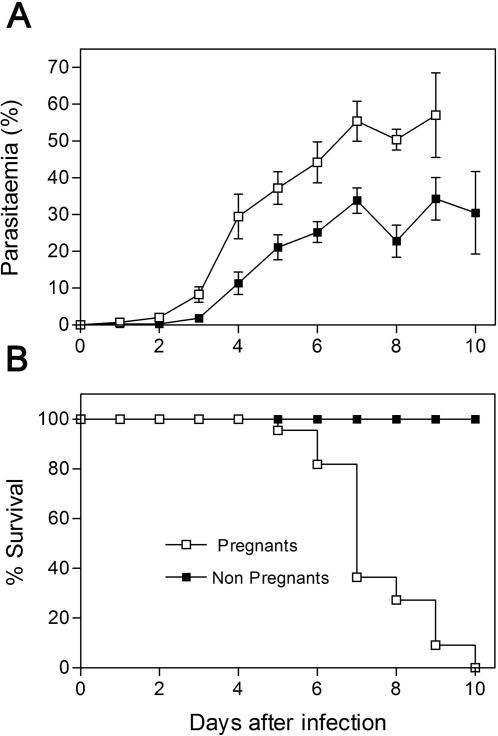
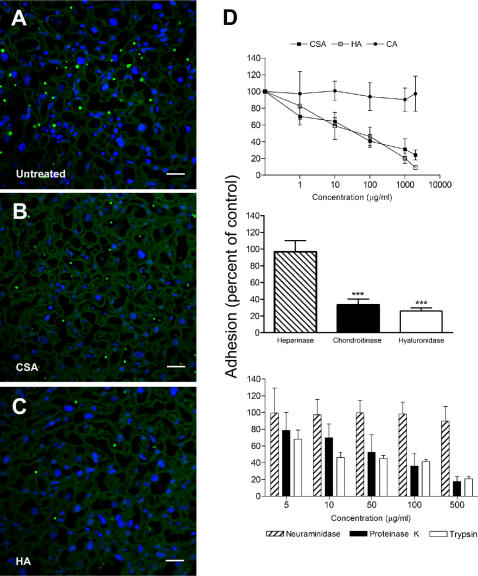
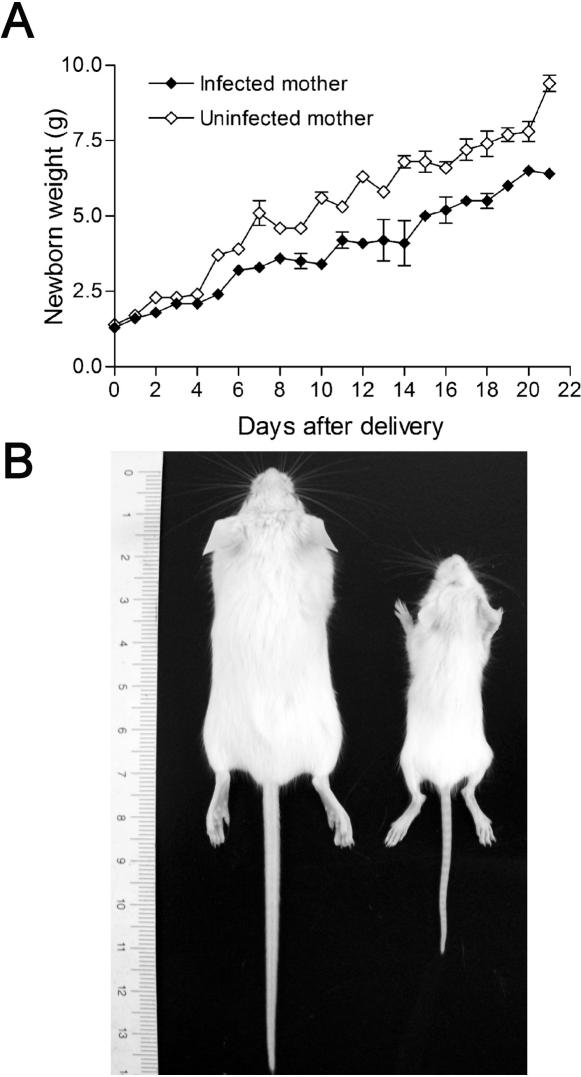
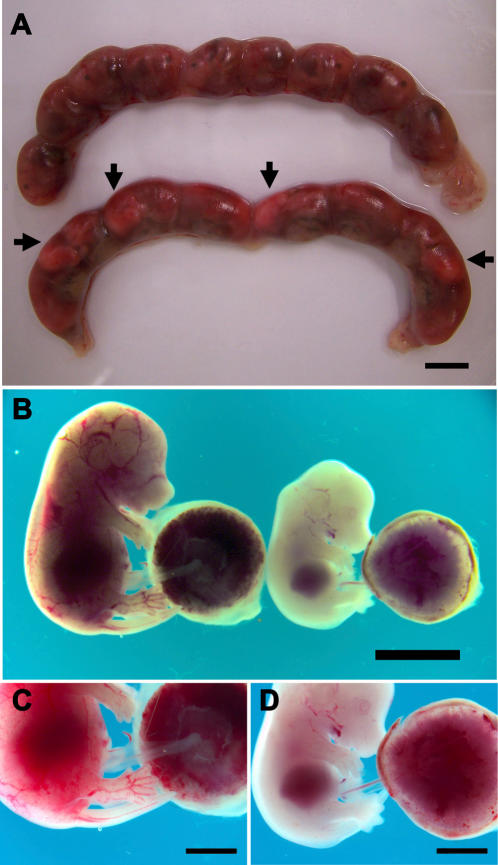
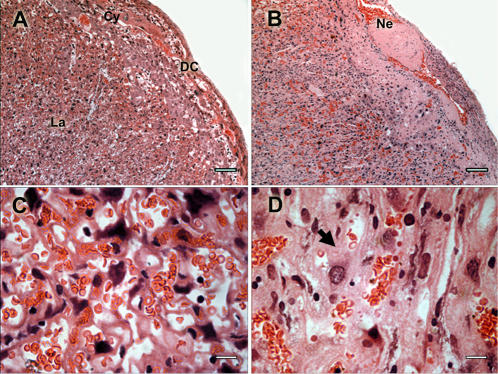
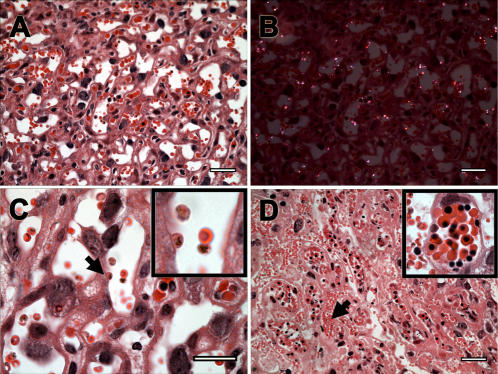
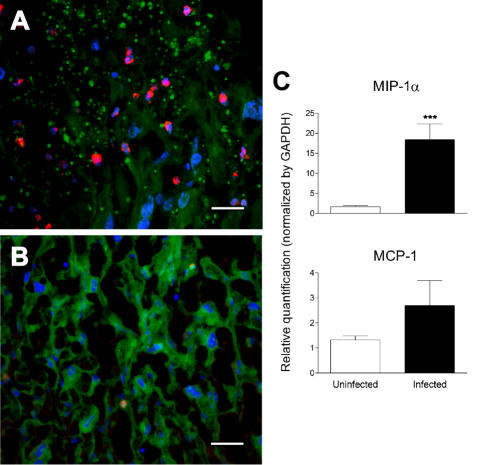
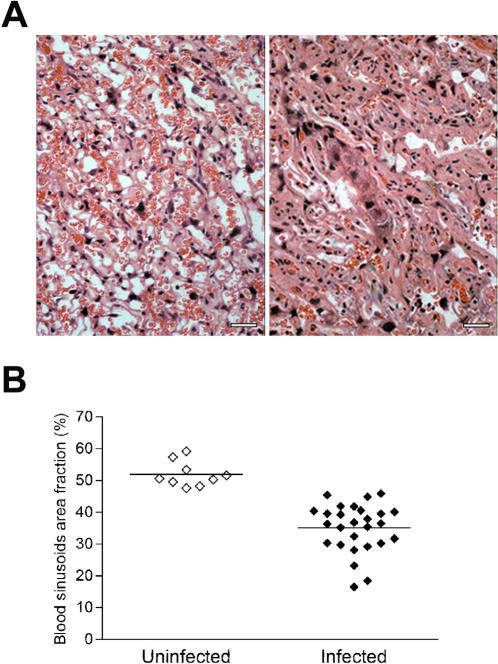
Pregnancy-associated malaria (PAM) is expressed in a range of clinical complications that include increased disease severity in pregnant women, decreased fetal viability, intra-uterine growth retardation, low birth weight and infant mortality. The physiopathology of malaria in pregnancy is difficult to scrutinize and attempts were made in the past to use animal models for pregnancy malaria studies. Here, we describe a comprehensive mouse experimental model that recapitulates many of the pathological and clinical features typical of human severe malaria in pregnancy. We used P. berghei ANKA-GFP infection during pregnancy to evoke a prominent inflammatory response in the placenta that entails CD11b mononuclear infiltration, up-regulation of MIP-1 alpha chemokine and is associated with marked reduction of placental vascular spaces. Placenta pathology was associated with decreased fetal viability, intra-uterine growth retardation, gross post-natal growth impairment and increased disease severity in pregnant females. Moreover, we provide evidence that CSA and HA, known to mediate P. falciparum adhesion to human placenta, are also involved in mouse placental malaria infection. We propose that reduction of maternal blood flow in the placenta is a key pathogenic factor in murine pregnancy malaria and we hypothesize that exacerbated innate inflammatory responses to Plasmodium infected red blood cells trigger severe placenta pathology. This experimental model provides an opportunity to identify cell and molecular components of severe PAM pathogenesis and to investigate the inflammatory response that leads to the observed fetal and placental blood circulation abnormalities.
妊娠相关疟疾(PAM)表现为一系列临床并发症,包括孕妇疾病严重程度增加、胎儿存活率降低、宫内生长受限、低出生体重和婴儿死亡率。妊娠疟疾的生理病理学难以仔细研究,过去曾尝试使用动物模型进行妊娠疟疾研究。在此,我们描述了一种全面的小鼠实验模型,该模型概括了人类妊娠严重疟疾许多典型的病理和临床特征。我们在妊娠期间使用伯氏疟原虫ANKA-GFP感染,以在胎盘中引发显著的炎症反应,这需要CD11b单核细胞浸润、MIP-1α趋化因子上调,并与胎盘血管间隙明显减少有关。胎盘病理学与胎儿存活率降低、宫内生长受限、出生后总体生长受损以及妊娠雌性动物疾病严重程度增加有关。此外,我们提供证据表明,已知介导恶性疟原虫与人胎盘黏附的硫酸软骨素A(CSA)和透明质酸(HA)也参与小鼠胎盘疟疾感染。我们提出,胎盘母体血流减少是小鼠妊娠疟疾的关键致病因素,并且我们假设对感染疟原虫的红细胞加剧的先天性炎症反应会引发严重的胎盘病理学。这个实验模型为识别严重PAM发病机制的细胞和分子成分以及研究导致观察到的胎儿和胎盘血液循环异常的炎症反应提供了机会。