Jbabdi S, Bellec P, Toro R, Daunizeau J, Pélégrini-Issac M, Benali H
Laboratoire d'Imagerie Fonctionnelle, INSERM, U678, 75013 Paris, France.
Int J Biomed Imaging. 2008;2008:320195. doi: 10.1155/2008/320195.
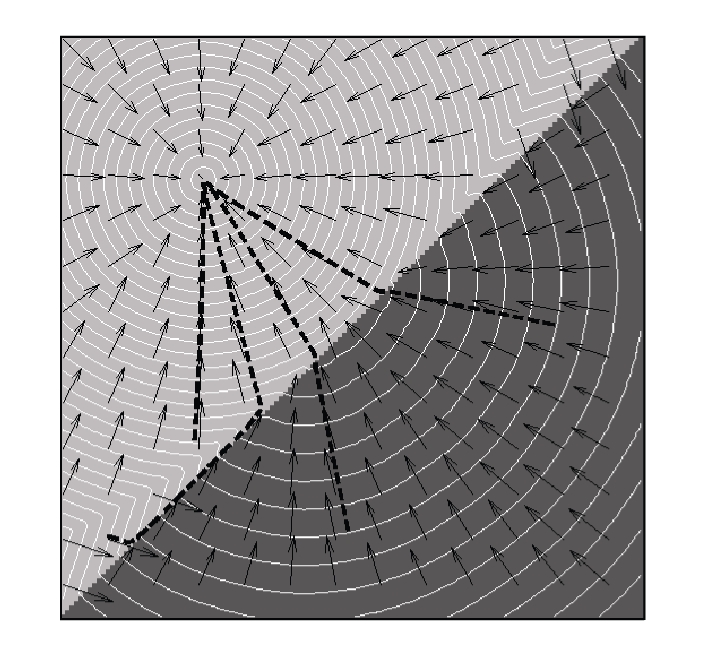
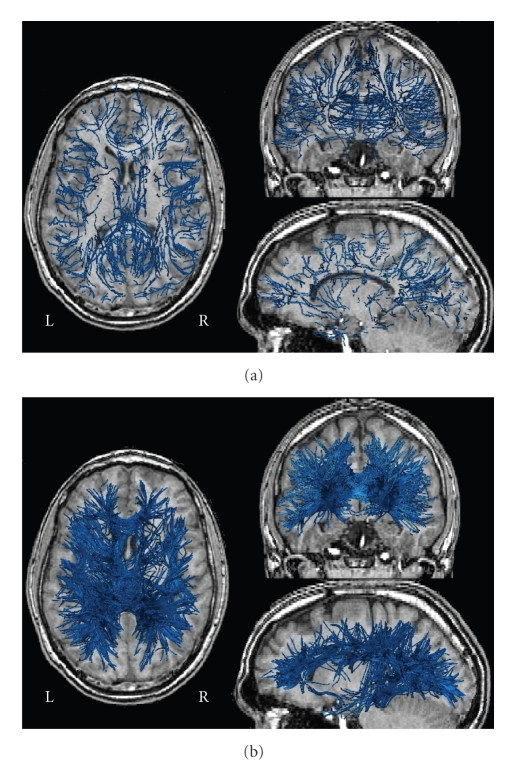
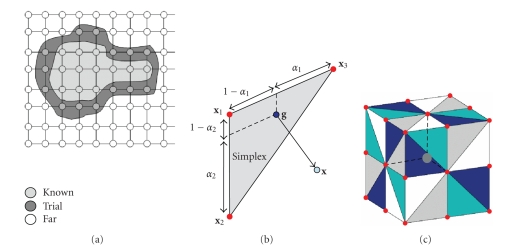
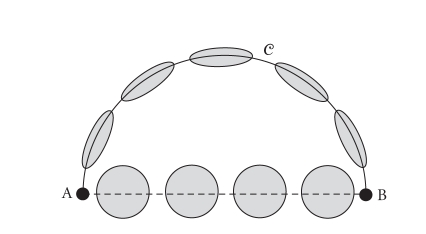
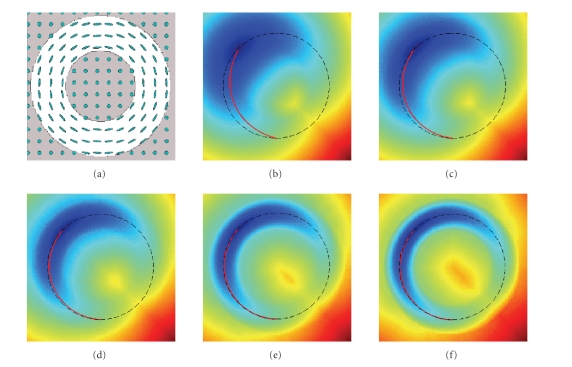
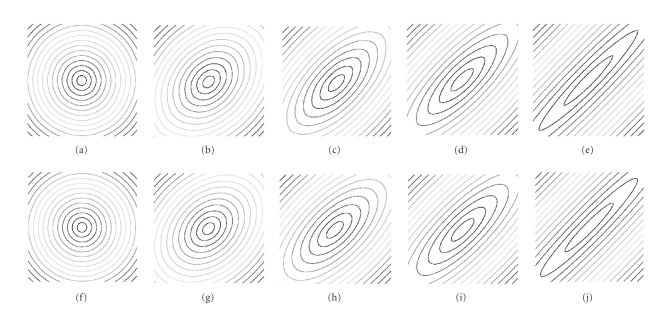
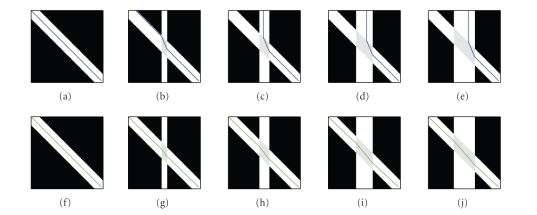
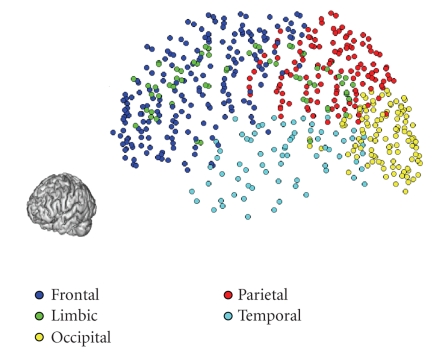
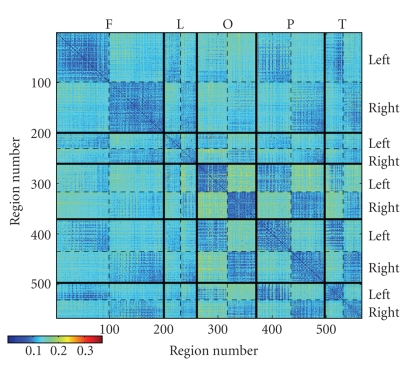
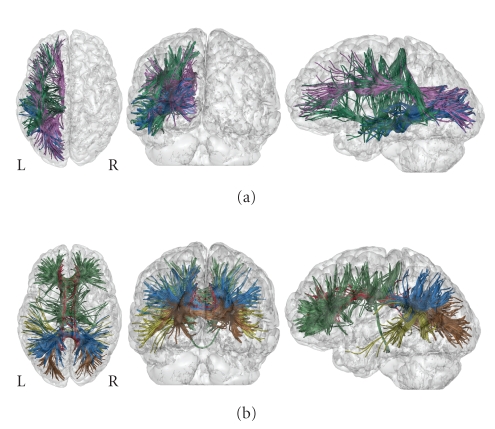
Using geodesics for inferring white matter fibre tracts from diffusion-weighted MR data is an attractive method for at least two reasons: (i) the method optimises a global criterion, and hence is less sensitive to local perturbations such as noise or partial volume effects, and (ii) the method is fast, allowing to infer on a large number of connexions in a reasonable computational time. Here, we propose an improved fast marching algorithm to infer on geodesic paths. Specifically, this procedure is designed to achieve accurate front propagation in an anisotropic elliptic medium, such as DTI data. We evaluate the numerical performance of this approach on simulated datasets, as well as its robustness to local perturbation induced by fiber crossing. On real data, we demonstrate the feasibility of extracting geodesics to connect an extended set of brain regions.
利用测地线从扩散加权磁共振数据中推断白质纤维束是一种颇具吸引力的方法,至少有两个原因:(i)该方法优化了全局标准,因此对诸如噪声或部分容积效应等局部扰动不太敏感;(ii)该方法速度快,能够在合理的计算时间内推断大量连接。在此,我们提出一种改进的快速行进算法来推断测地线路径。具体而言,此过程旨在在各向异性椭圆介质(如扩散张量成像数据)中实现精确的前沿传播。我们在模拟数据集上评估了该方法的数值性能,以及其对纤维交叉引起的局部扰动的鲁棒性。在真实数据上,我们证明了提取测地线以连接一组扩展脑区的可行性。