Snyder Gary D, Oberley-Deegan Rebecca E, Goss Kelli L, Romig-Martin Sara A, Stoll Lynn L, Snyder Jeanne M, Weintraub Neal L
Department of Internal Medicine, University of Iowa Carver College of Medicine, Iowa City, IA, USA.
Am J Physiol Heart Circ Physiol. 2008 May;294(5):H2053-9. doi: 10.1152/ajpheart.91529.2007. Epub 2008 Mar 21.
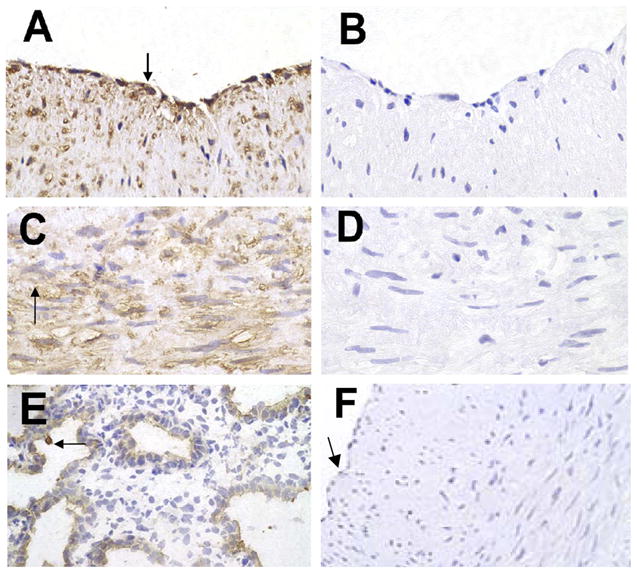
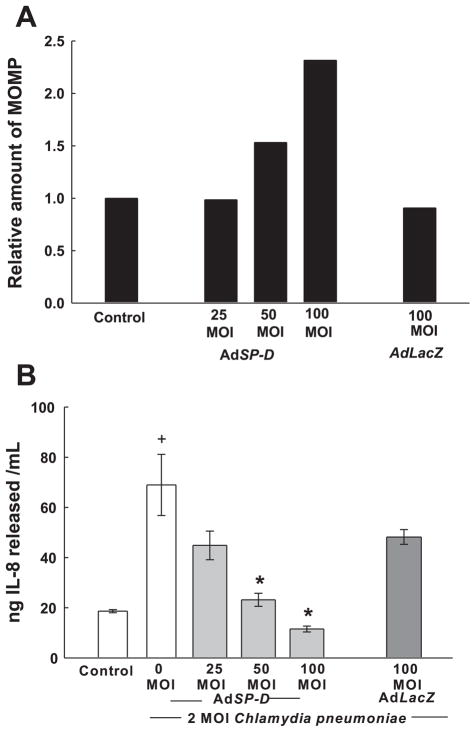
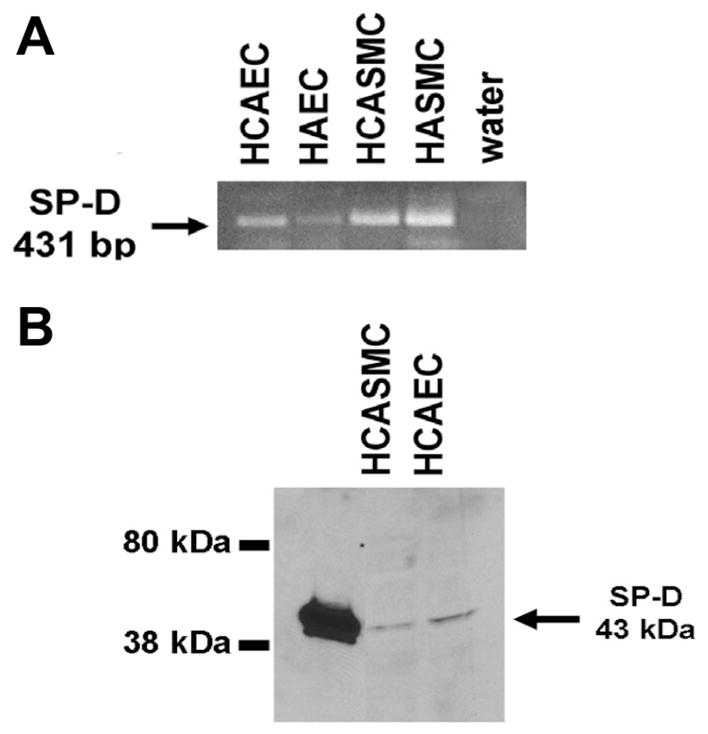
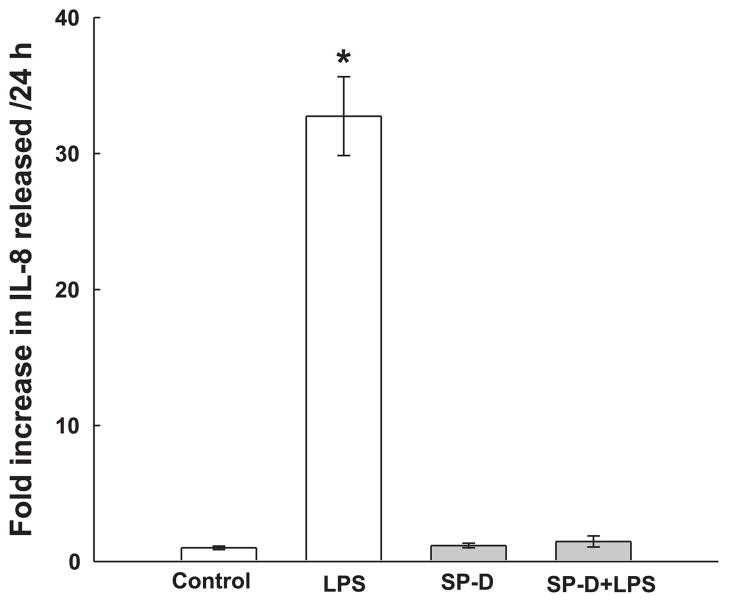
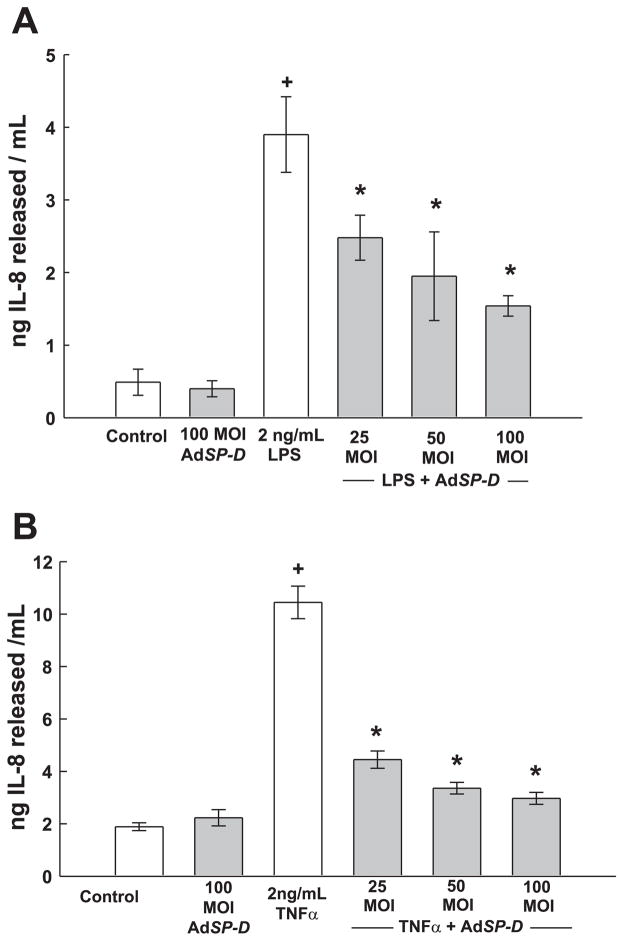
Surfactant protein D (SP-D) is a constituent of the innate immune system that plays a role in the host defense against lung pathogens and in modulating inflammatory responses. While SP-D has been detected in extrapulmonary tissues, little is known about its expression and function in the vasculature. Immunostaining of human coronary artery tissue sections demonstrated immunoreactive SP-D protein in smooth muscle cells (SMCs) and endothelial cells. SP-D was also detected in isolated human coronary artery SMCs (HCASMCs) by PCR and immunoblot analysis. Treatment of HCASMCs with endotoxin (LPS) stimulated the release of IL-8, a proinflammatory cytokine. This release was inhibited >70% by recombinant SP-D. Overexpression of SP-D by adenoviral-mediated gene transfer in HCASMCs inhibited both LPS- and TNF-alpha-induced IL-8 release. Overexpression of SP-D also enhanced uptake of Chlamydia pneumoniae elementary bodies into HCASMCs while attenuating IL-8 production induced by bacterial exposure. Both LPS and TNF-alpha increased SP-D mRNA levels by five- to eightfold in HCASMCs, suggesting that inflammatory mediators upregulate the expression of SP-D. In conclusion, SP-D is expressed in human coronary arteries and functions as an anti-inflammatory protein in HCASMCs. SP-D may also participate in the host defense against pathogens that invade the vascular wall.
表面活性蛋白D(SP-D)是固有免疫系统的一个组成部分,在宿主抵御肺部病原体及调节炎症反应中发挥作用。虽然已在肺外组织中检测到SP-D,但其在脉管系统中的表达和功能却知之甚少。人冠状动脉组织切片的免疫染色显示,平滑肌细胞(SMC)和内皮细胞中有免疫反应性SP-D蛋白。通过PCR和免疫印迹分析,在分离出的人冠状动脉平滑肌细胞(HCASMC)中也检测到了SP-D。用内毒素(LPS)处理HCASMC会刺激促炎细胞因子白细胞介素-8(IL-8)的释放。重组SP-D可抑制这种释放达70%以上。通过腺病毒介导的基因转移在HCASMC中过表达SP-D,可抑制LPS和肿瘤坏死因子-α(TNF-α)诱导的IL-8释放。SP-D的过表达还增强了HCASMC对肺炎衣原体原体的摄取,同时减弱了细菌暴露诱导的IL-8产生。LPS和TNF-α均可使HCASMC中的SP-D mRNA水平升高5至8倍,这表明炎症介质会上调SP-D的表达。总之,SP-D在人冠状动脉中表达,并在HCASMC中作为一种抗炎蛋白发挥作用。SP-D也可能参与宿主对侵入血管壁病原体的防御。