Ther Clin Risk Manag. 2007 Jun;3(2):319-25. doi: 10.2147/tcrm.2007.3.2.319.
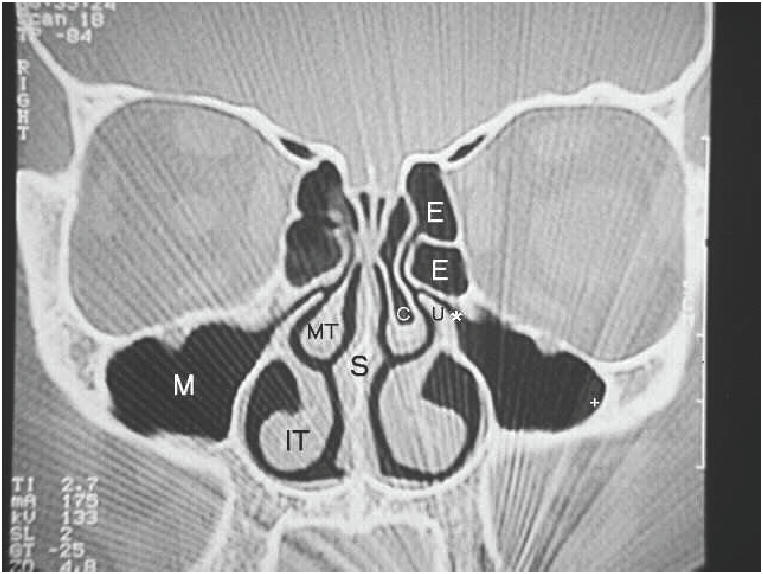
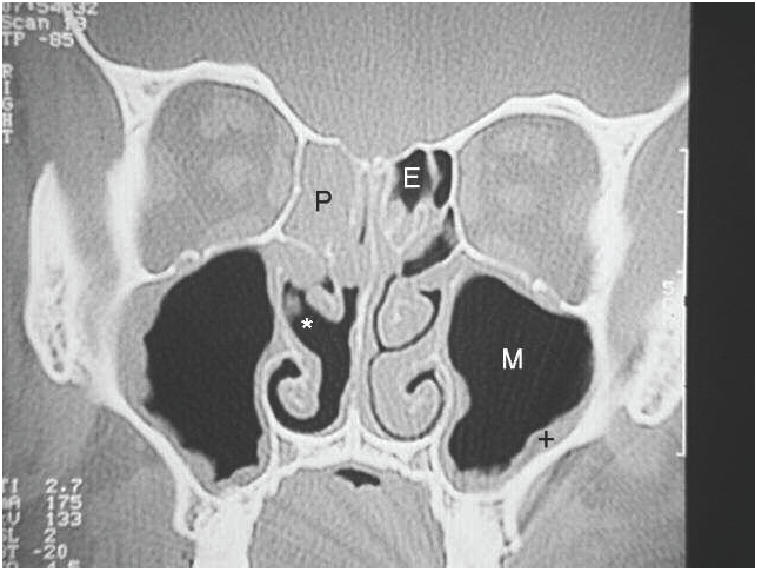
Chronic rhinosinusitis (CRS) is a chronic disease that affects 14.2% of the US adult population. Despite being widespread, little is known about the etiology of CRS. Treatment has been symptomatic and focused on relieving symptoms. Recent investigations into causes of CRS have revealed that most CRS patients have an eosinophilic infiltration of their nasal tissue (mucosa), regardless of atopy and elevated immunoglobulin E levels. Although fungi are ubiquitous and in the nasal mucus of both healthy people and patients, it is only in the patients that the eosinophils (part of the inflammatory response) are found. Fungi in the nasal mucus are harmless, yet in CRS patients these same fungi stimulate an inflammatory response, inducing the eosinophils to leave the blood vessels and enter the nasal and sinus tissue and ultimately enter the nasal airway mucus. In the nasal mucus these eosinophils attack the fungi and destroy the fungi by the release of a toxic substance called major basic protein (MBP) from the granules in the eosinophils. This degranulation and release of the toxic MBP not only destroys fungi, but also produces collateral damage injuring the nasal and sinus mucosal lining tissue. The injury to the mucosal lining makes the nasal and sinus mucosa susceptible to penetration and potential infection by bacteria. When this tissue inflammation and damage is persistent and prolonged we call it CRS. The diagnosis of CRS is based largely on symptomatic criteria, with anterior rhinoscopy or endoscopy, and, if there is any doubt about the diagnosis, computed tomography imaging is employed to confirm the presence of diseased sinus mucosa. Treatment of CRS, whether medical (intranasal corticosteroids, saline irrigations) or surgical, is aimed at decreasing inflammation and obstruction in the sinonasal passages. Antibiotics, although commonly used in CRS, should not be administered unless there is suspicion of an acute bacterial infection. The theory behind the fungal and eosinophilic etiology of CRS has led to use of an antifungal compound, intranasal Amphotericin B. In clinical studies, topical irrigation with Amphotericin B has been shown to be both a safe and effective treatment for CRS.
慢性鼻-鼻窦炎(CRS)是一种影响美国成年人口 14.2%的慢性疾病。尽管这种疾病很普遍,但人们对其病因知之甚少。目前的治疗方法主要是针对症状,旨在缓解症状。最近对 CRS 病因的研究表明,大多数 CRS 患者的鼻组织(黏膜)存在嗜酸性粒细胞浸润,无论是否存在过敏和免疫球蛋白 E 水平升高。尽管真菌无处不在,存在于健康人和患者的鼻腔黏液中,但只有在患者中才会发现嗜酸性粒细胞(炎症反应的一部分)。鼻腔黏液中的真菌是无害的,但在 CRS 患者中,这些真菌会刺激炎症反应,使嗜酸性粒细胞离开血管,进入鼻和鼻窦组织,并最终进入鼻气道黏液。在鼻腔黏液中,这些嗜酸性粒细胞会攻击真菌,并通过从嗜酸性粒细胞颗粒中释放一种叫做主要碱性蛋白(MBP)的有毒物质来破坏真菌。这种脱颗粒和有毒 MBP 的释放不仅会破坏真菌,还会造成鼻和鼻窦黏膜衬里组织的附带损伤。黏膜衬里的损伤使鼻和鼻窦黏膜容易受到细菌的穿透和潜在感染。当这种组织炎症和损伤持续和延长时,我们称之为 CRS。CRS 的诊断主要基于症状标准,结合前鼻镜或内窥镜检查,如果对诊断有任何疑问,则采用计算机断层扫描成像来确认患病鼻窦黏膜的存在。CRS 的治疗方法无论是药物(鼻内皮质类固醇、盐水冲洗)还是手术,都是旨在减少鼻-鼻窦通道的炎症和阻塞。抗生素虽然在 CRS 中常被使用,但除非怀疑有急性细菌感染,否则不应使用。CRS 真菌和嗜酸性粒细胞病因学的理论导致了抗真菌化合物——鼻内两性霉素 B 的使用。在临床研究中,鼻内两性霉素 B 局部冲洗已被证明是一种安全有效的 CRS 治疗方法。