Seo Youngho, Mari Carina, Hasegawa Bruce H
Department of Radiology, University of California, San Francisco, San Francisco, CA, USA.
Semin Nucl Med. 2008 May;38(3):177-98. doi: 10.1053/j.semnuclmed.2008.01.001.
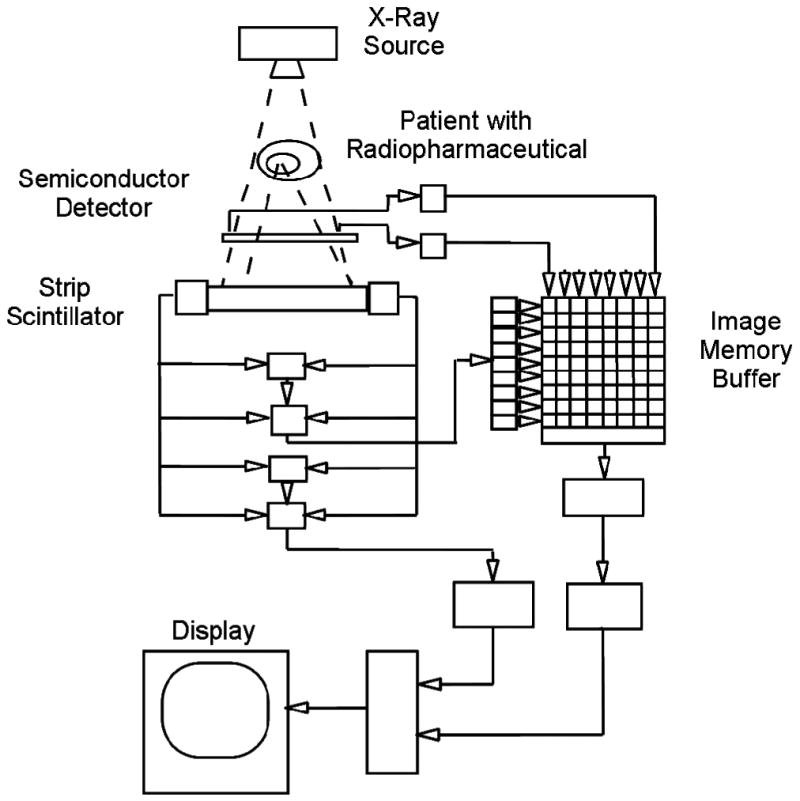
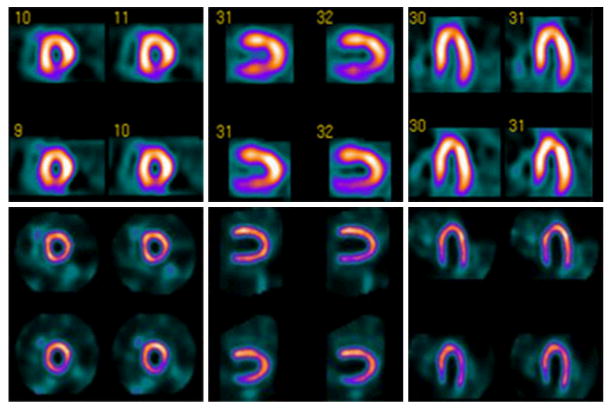
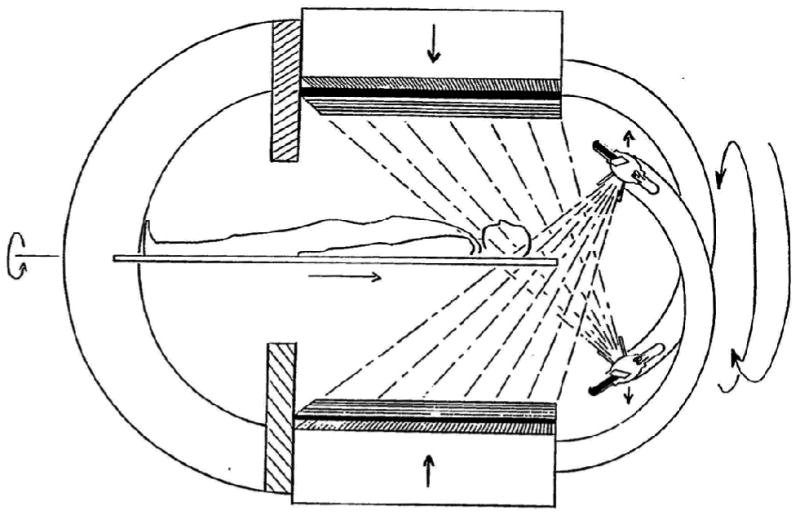
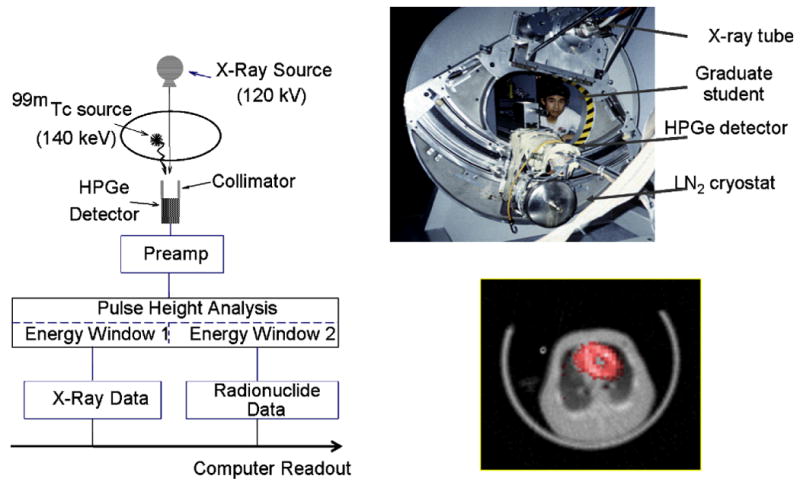
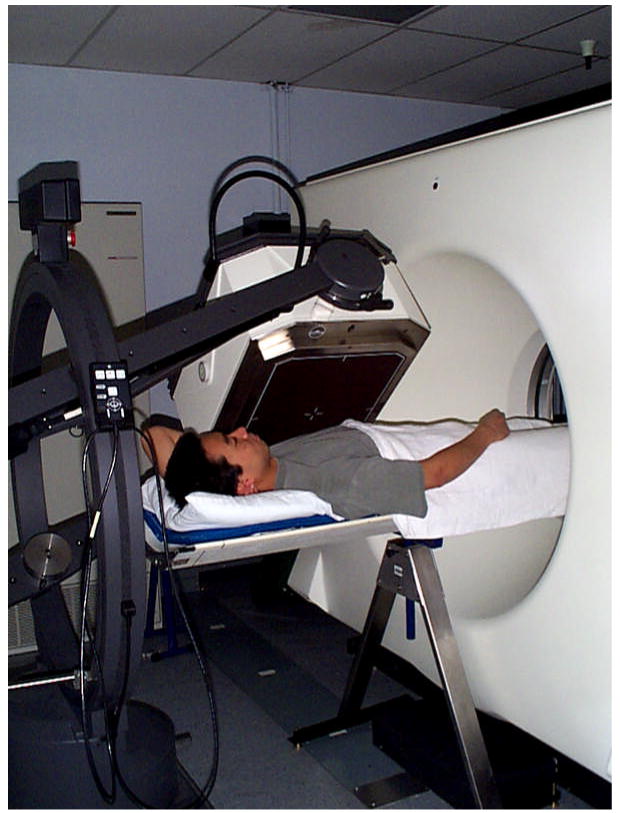
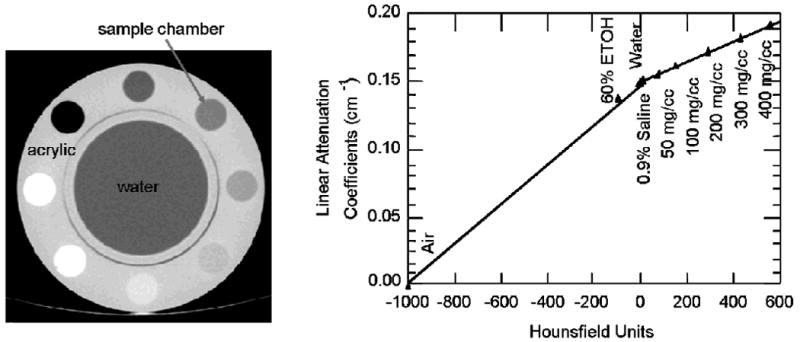
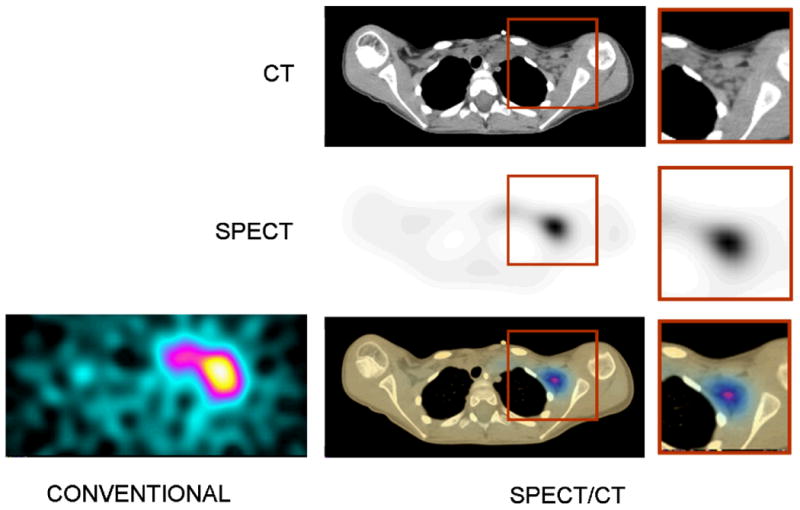
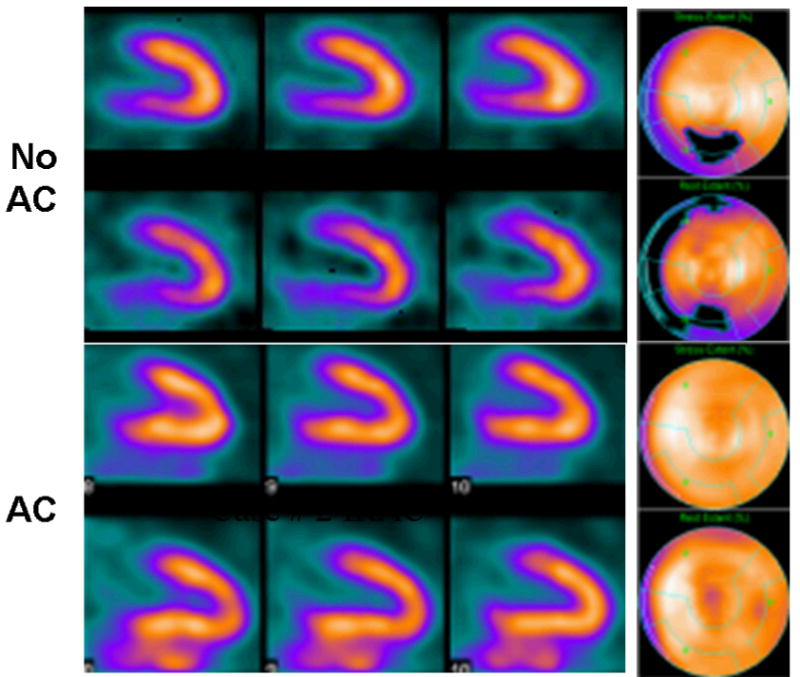
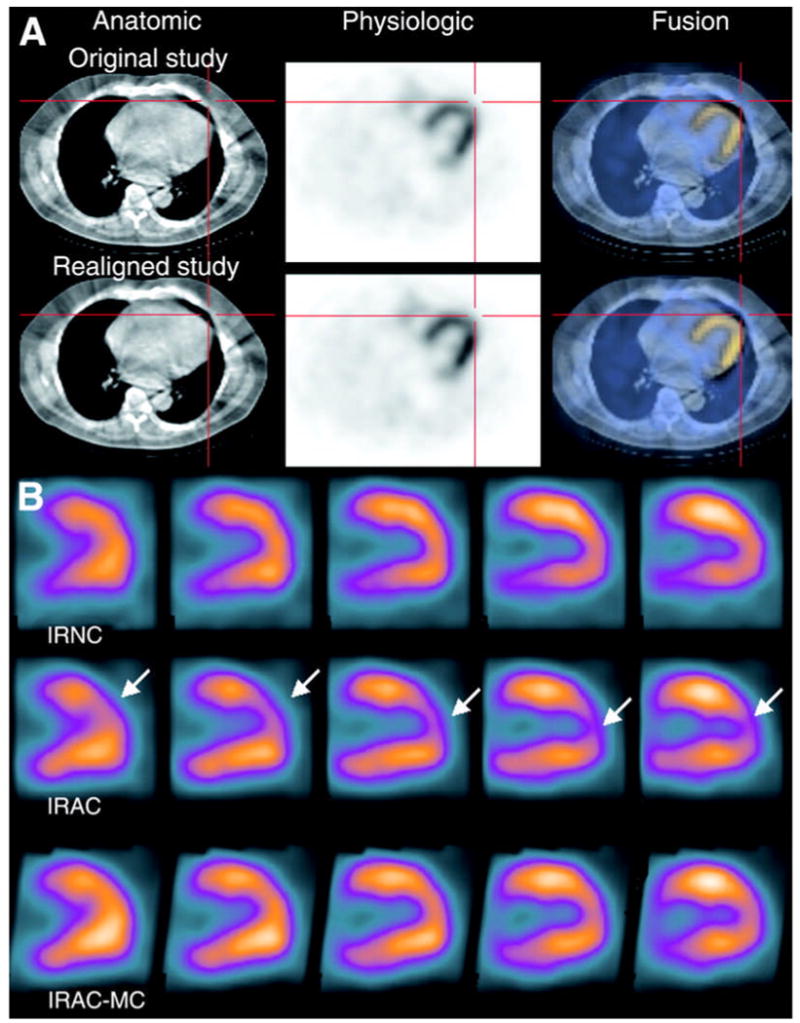
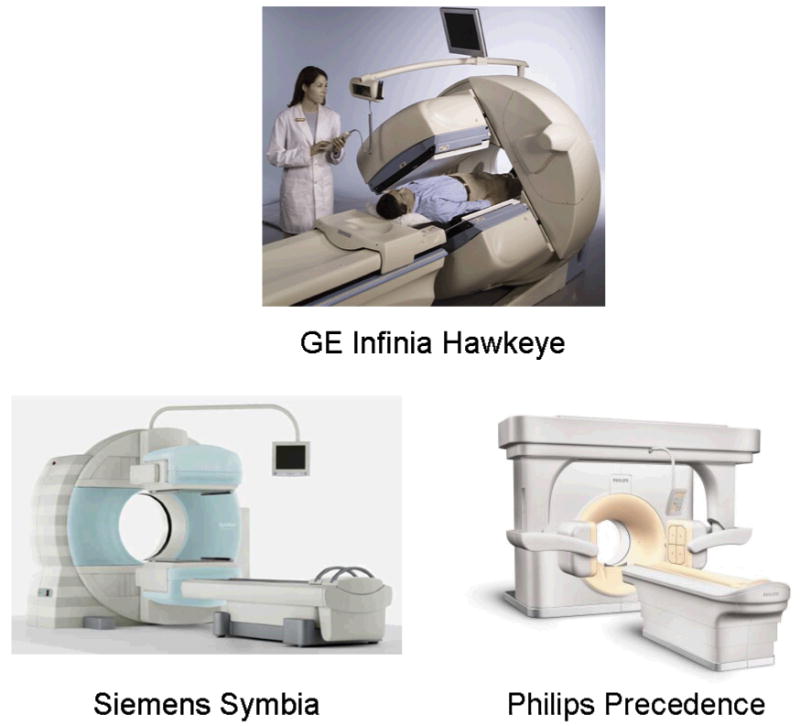
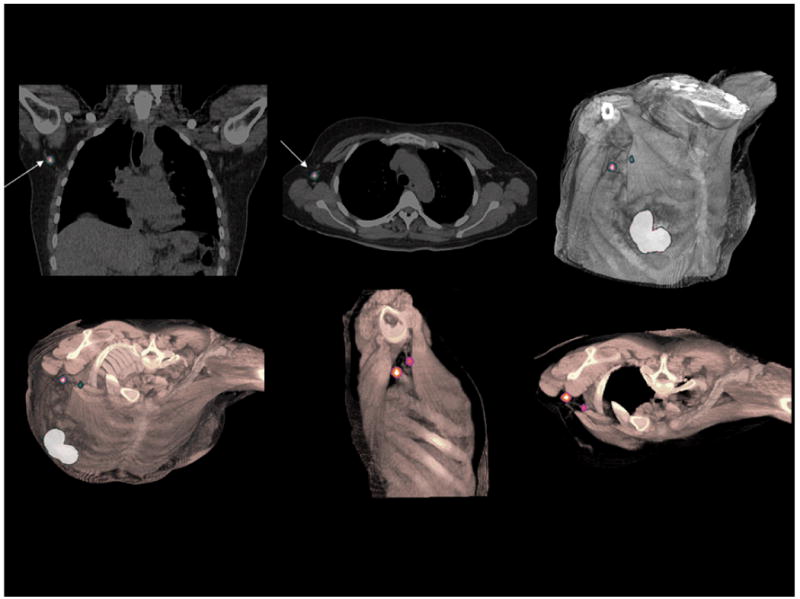
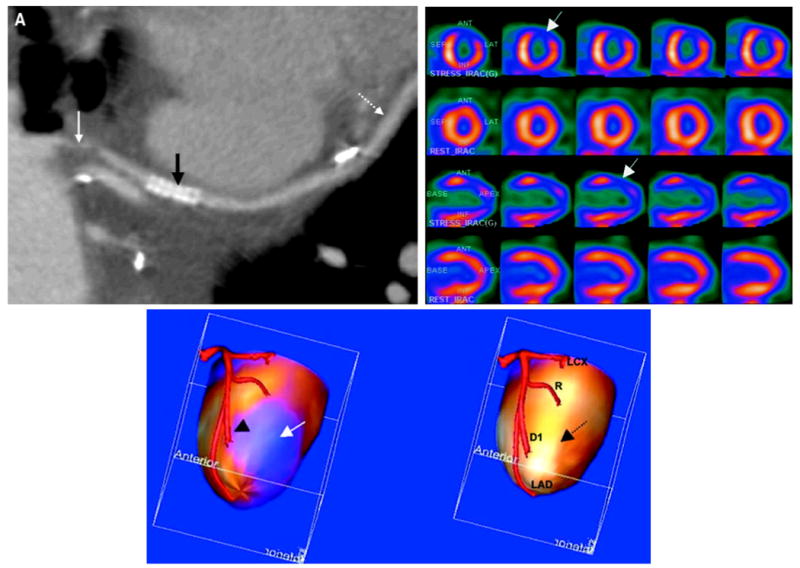
Single-photon emission computed tomography/computed tomography (SPECT/CT) has emerged during the past decade as a means of correlating anatomical information from CT with functional information from SPECT. The integration of SPECT and CT in a single imaging device facilitates anatomical localization of the radiopharmaceutical to differentiate physiological uptake from that associated with disease and patient-specific attenuation correction to improve the visual quality and quantitative accuracy of the SPECT image. The first clinically available SPECT/CT systems performed emission-transmission imaging using a dual-headed SPECT camera and a low-power x-ray CT subsystem. Newer SPECT/CT systems are available with high-power CT subsystems suitable for detailed anatomical diagnosis, including CT coronary angiography and coronary calcification that can be correlated with myocardial perfusion measurements. The high-performance CT capabilities also offer the potential to improve compensation of partial volume errors for more accurate quantitation of radionuclide measurement of myocardial blood flow and other physiological processes and for radiation dosimetry for radionuclide therapy. In addition, new SPECT technologies are being developed that significantly improve the detection efficiency and spatial resolution for radionuclide imaging of small organs including the heart, brain, and breast, and therefore may provide new capabilities for SPECT/CT imaging in these important clinical applications.
在过去十年中,单光子发射计算机断层扫描/计算机断层扫描(SPECT/CT)已成为一种将CT的解剖学信息与SPECT的功能信息相关联的手段。将SPECT和CT集成在一台成像设备中,有助于对放射性药物进行解剖定位,以区分生理性摄取与疾病相关的摄取,并进行针对患者的衰减校正,从而提高SPECT图像的视觉质量和定量准确性。首批临床可用的SPECT/CT系统使用双头SPECT相机和低功率X射线CT子系统进行发射-透射成像。新型SPECT/CT系统配备了适用于详细解剖诊断的高功率CT子系统,包括可与心肌灌注测量相关联的CT冠状动脉造影和冠状动脉钙化。高性能CT功能还具有改善部分容积误差补偿的潜力,以便更准确地定量心肌血流和其他生理过程的放射性核素测量以及放射性核素治疗的辐射剂量测定。此外,正在开发新的SPECT技术,这些技术可显著提高对包括心脏、大脑和乳房在内的小器官进行放射性核素成像的检测效率和空间分辨率,因此可能为这些重要临床应用中的SPECT/CT成像提供新功能。