Couper Kevin N, Blount Daniel G, Wilson Mark S, Hafalla Julius C, Belkaid Yasmine, Kamanaka Masahito, Flavell Richard A, de Souza J Brian, Riley Eleanor M
Immunology Unit, Department of Infectious and Tropical Diseases, London School of Hygiene and Tropical Medicine, London, United Kingdom.
PLoS Pathog. 2008 Feb 29;4(2):e1000004. doi: 10.1371/journal.ppat.1000004.
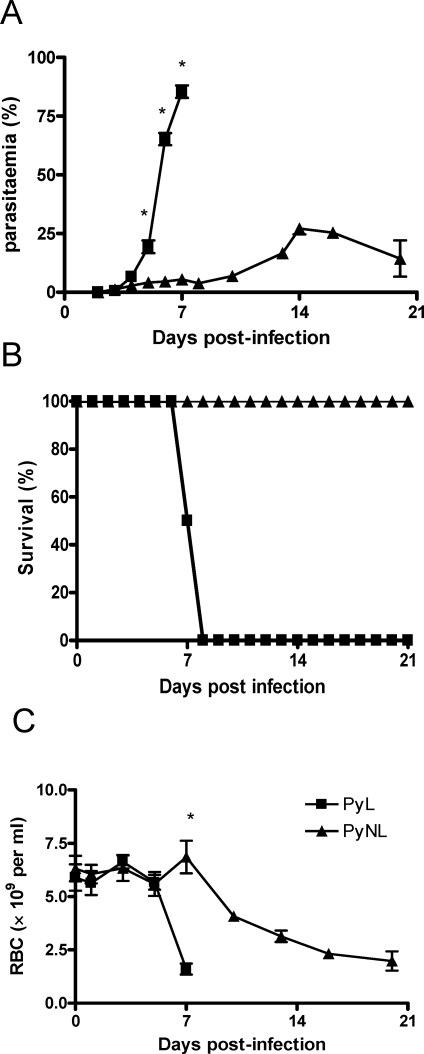
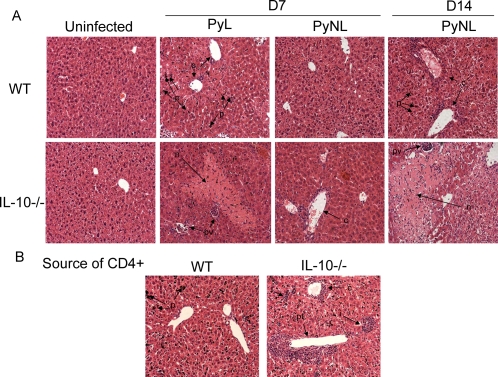
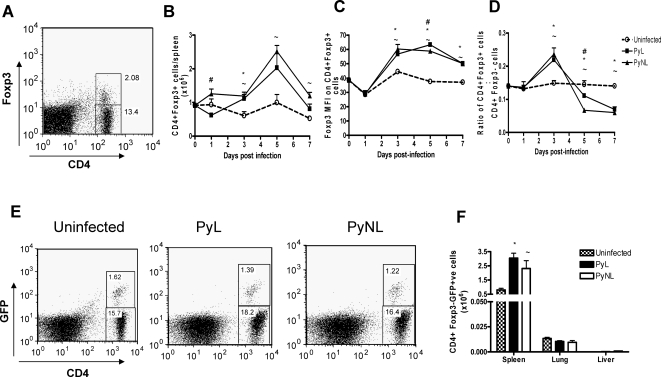
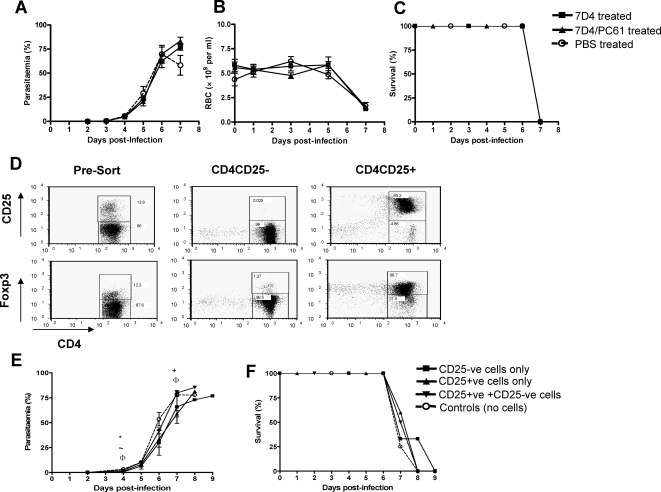
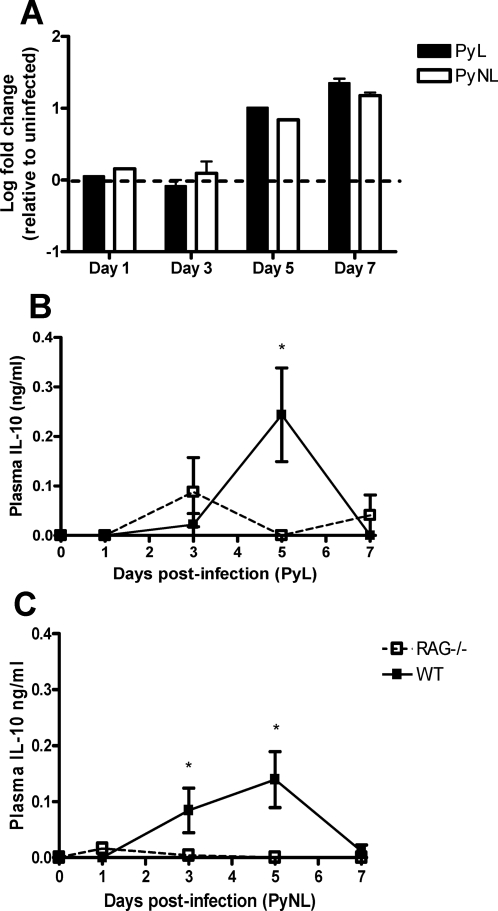
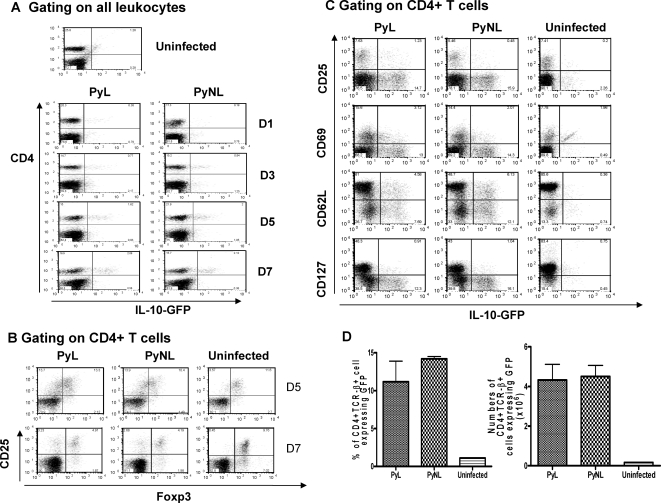
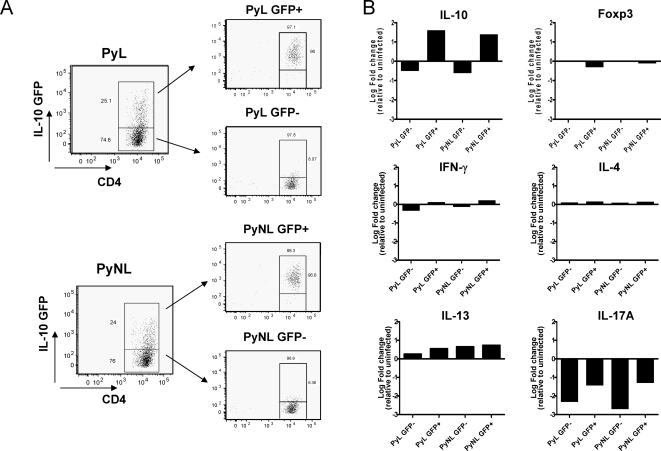
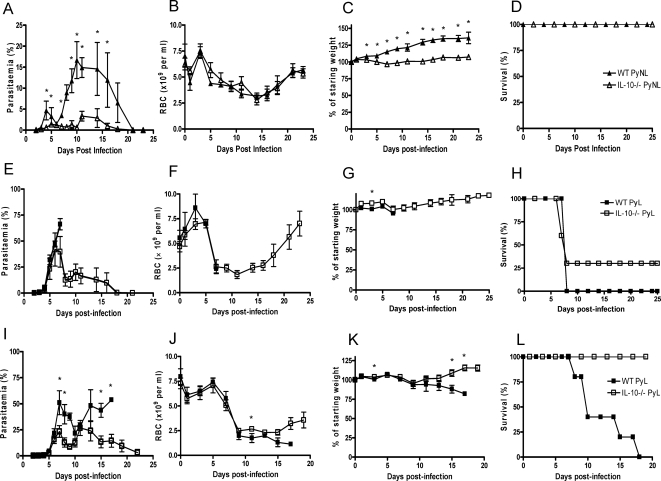
The outcome of malaria infection is determined, in part, by the balance of pro-inflammatory and regulatory immune responses. Failure to develop an effective pro-inflammatory response can lead to unrestricted parasite replication, whilst failure to regulate this response leads to the development of severe immunopathology. IL-10 and TGF-beta are known to be important components of the regulatory response, but the cellular source of these cytokines is still unknown. Here we have examined the role of natural and adaptive regulatory T cells in the control of malaria infection and find that classical CD4+CD25(hi) (and Foxp3+) regulatory T cells do not significantly influence the outcome of infections with the lethal (17XL) strain of Plasmodium yoelii (PyL). In contrast, we find that adaptive IL-10-producing, CD4+ T cells (which are CD25-, Foxp3-, and CD127- and do not produce Th1, Th2, or Th17 associated cytokines) that are generated during both PyL and non-lethal P. yoelii 17X (PyNL) infections are able to down-regulate pro-inflammatory responses and impede parasite clearance. In summary, we have identified a population of induced Foxp3- regulatory (Tr1) T cells, characterised by production of IL-10 and down regulation of IL-7Ralpha, that modulates the inflammatory response to malaria.
疟疾感染的结果部分取决于促炎免疫反应和调节性免疫反应之间的平衡。无法产生有效的促炎反应会导致寄生虫不受限制地复制,而无法调节这种反应则会导致严重免疫病理学的发展。已知白细胞介素-10(IL-10)和转化生长因子-β(TGF-β)是调节性反应的重要组成部分,但这些细胞因子的细胞来源仍不清楚。在此,我们研究了天然和适应性调节性T细胞在控制疟疾感染中的作用,发现经典的CD4+CD25(高表达)(和Foxp3+)调节性T细胞对约氏疟原虫(PyL)致死性(17XL)菌株感染的结果没有显著影响。相反,我们发现,在PyL和非致死性约氏疟原虫17X(PyNL)感染过程中产生的、产生IL-10的适应性CD4+T细胞(这些细胞CD25-、Foxp3-、CD127-,且不产生与Th1、Th2或Th17相关的细胞因子)能够下调促炎反应并阻碍寄生虫清除。总之,我们鉴定出了一群诱导性Foxp3-调节性(Tr1)T细胞,其特征是产生IL-10并下调IL-7Rα,该细胞群可调节对疟疾的炎症反应。