Vera Julio, Bachmann Julie, Pfeifer Andrea C, Becker Verena, Hormiga Jose A, Darias Nestor V Torres, Timmer Jens, Klingmüller Ursula, Wolkenhauer Olaf
Systems Biology and Bioinformatics Group, Department of Computer Science, University of Rostock, Rostock, Germany.
BMC Syst Biol. 2008 Apr 25;2:38. doi: 10.1186/1752-0509-2-38.
The amplification of signals, defined as an increase in the intensity of a signal through networks of intracellular reactions, is considered one of the essential properties in many cell signalling pathways. Despite of the apparent importance of signal amplification, there have been few attempts to formalise this concept.
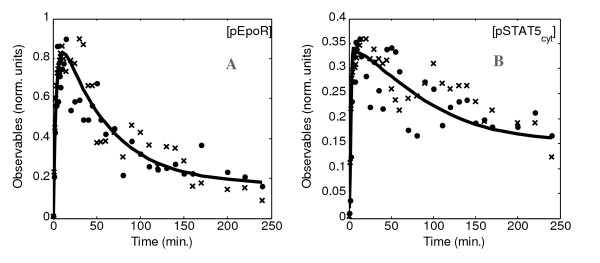
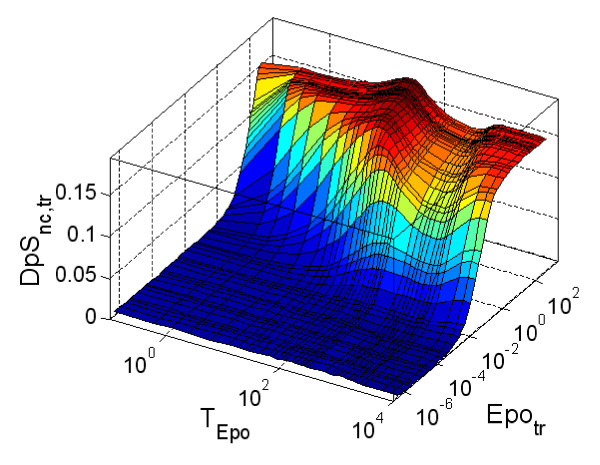
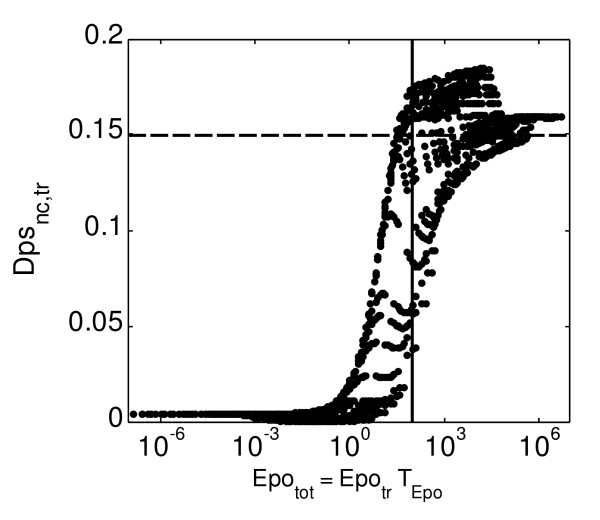
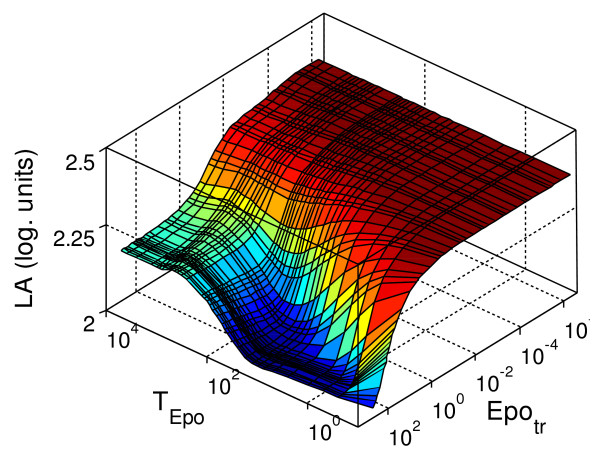
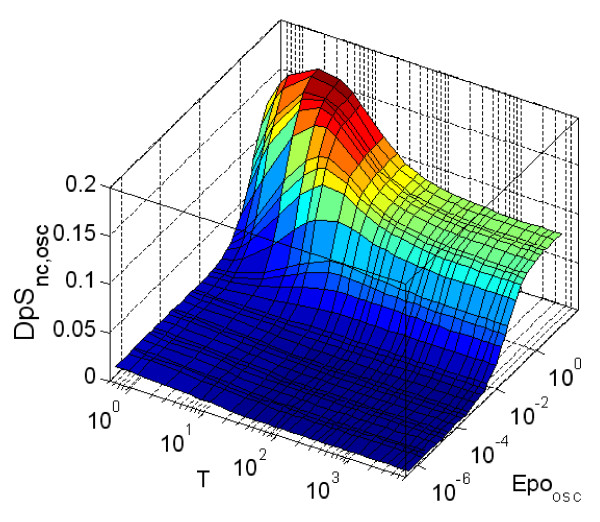
In this work we investigate the amplification and responsiveness of the JAK2-STAT5 pathway using a kinetic model. The recruitment of EpoR to the plasma membrane, activation by Epo, and deactivation of the EpoR/JAK2 complex are considered as well as the activation and nucleocytoplasmic shuttling of STAT5. Using qualitative biological knowledge, we first establish the structure of a general power-law model. We then generate a family of models from which we select suitable candidates. The parameter values of the model are estimated from experimental quantitative time-course data. The final model, whether it is conventional model with fixed predefined integer kinetic orders or a model with variable non-integer kinetic orders, is selected on the basis of a good agreement between simulations and the experimental data. The model is used to analyse the responsiveness and amplification properties of the pathway with sustained, transient, and oscillatory stimulation.
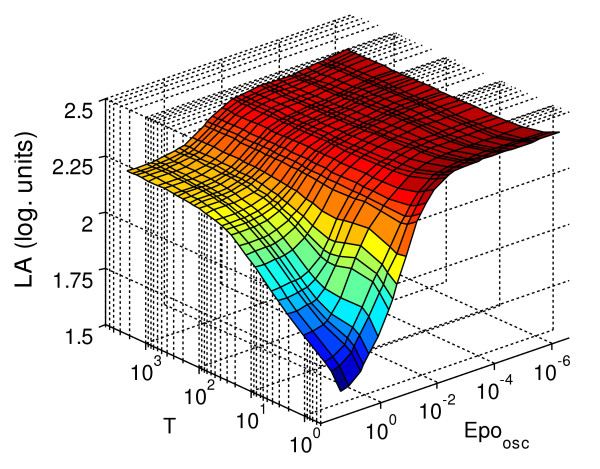
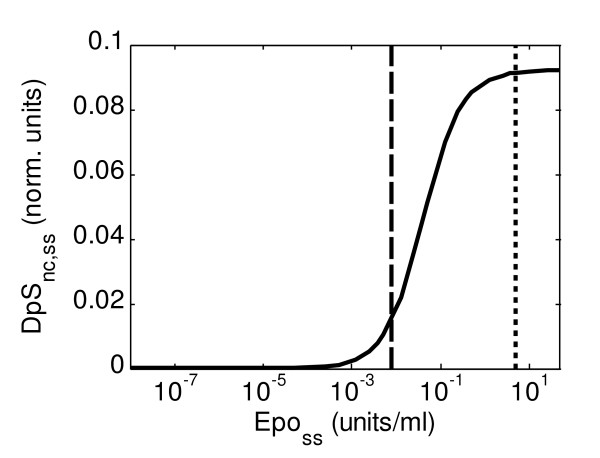
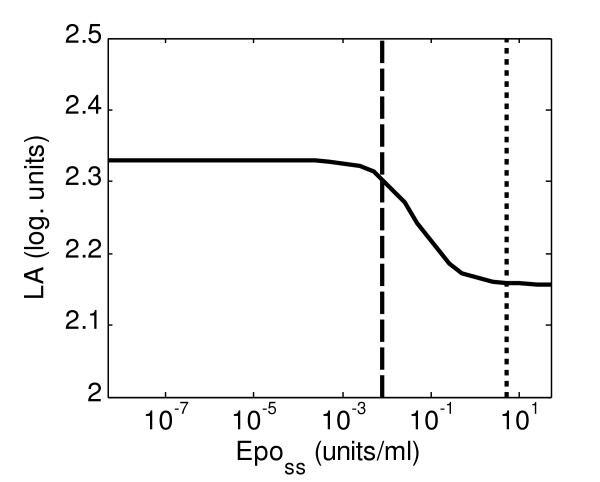
The selected kinetic model predicts that the system acts as an amplifier with maximum amplification and sensitivity for input signals whose intensity match physiological values for Epo concentration and with duration in the range of one to 100 minutes. The response of the system reaches saturation for more intense and longer stimulation with Epo. We hypothesise that these properties of the system directly relate to the saturation of Epo receptor activation, its low recruitment to the plasma membrane and intense deactivation as predicted by the model.
信号放大被定义为通过细胞内反应网络增加信号强度,被认为是许多细胞信号通路的基本特性之一。尽管信号放大具有明显的重要性,但很少有人尝试将这一概念形式化。
在这项工作中,我们使用动力学模型研究JAK2-STAT5通路的放大和反应性。考虑了促红细胞生成素受体(EpoR)募集到质膜、Epo激活以及EpoR/JAK2复合物失活,以及STAT5的激活和核质穿梭。利用定性生物学知识,我们首先建立了一个一般幂律模型的结构。然后我们生成了一系列模型,并从中选择合适的候选模型。模型的参数值从实验定量时间进程数据中估计。最终模型,无论是具有固定预定义整数动力学阶数的传统模型还是具有可变非整数动力学阶数的模型,都是基于模拟与实验数据之间的良好一致性来选择的。该模型用于分析该通路在持续、瞬态和振荡刺激下的反应性和放大特性。
所选动力学模型预测,该系统对于强度与Epo浓度生理值匹配且持续时间在1至100分钟范围内的输入信号,作为具有最大放大率和灵敏度的放大器起作用。对于更强且持续时间更长的Epo刺激,系统的反应达到饱和。我们假设该系统的这些特性直接与Epo受体激活的饱和、其向质膜的低募集以及模型预测的强烈失活有关。