Teng Grace, Hakimpour Paul, Landgraf Pablo, Rice Amanda, Tuschl Thomas, Casellas Rafael, Papavasiliou F Nina
Laboratory of Lymphocyte Biology, The Rockefeller University, 1230 York Avenue, New York, NY 10065, USA.
Immunity. 2008 May;28(5):621-9. doi: 10.1016/j.immuni.2008.03.015. Epub 2008 May 1.
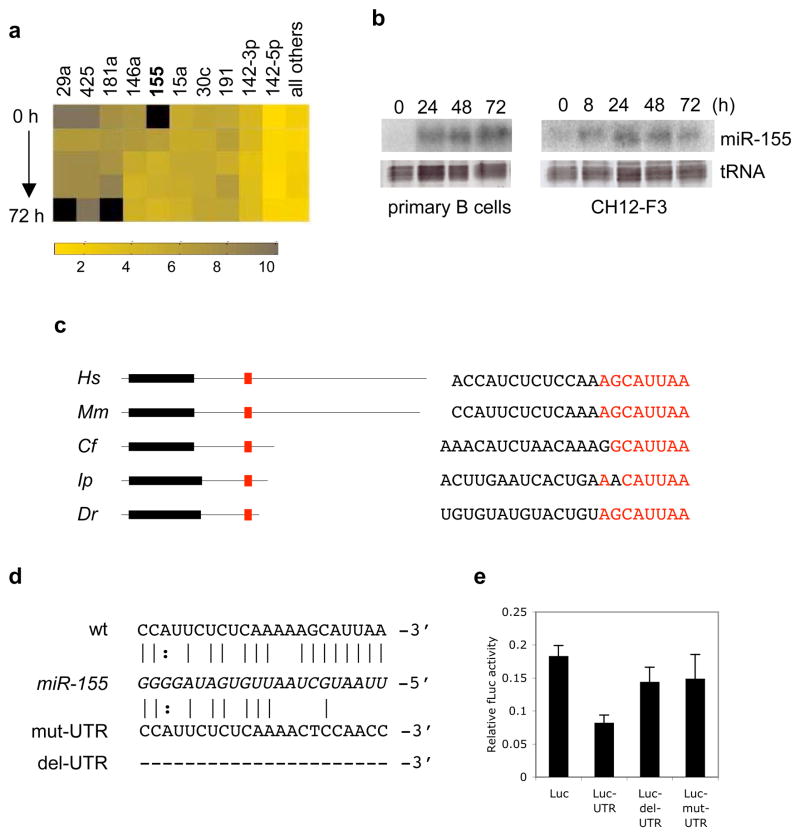
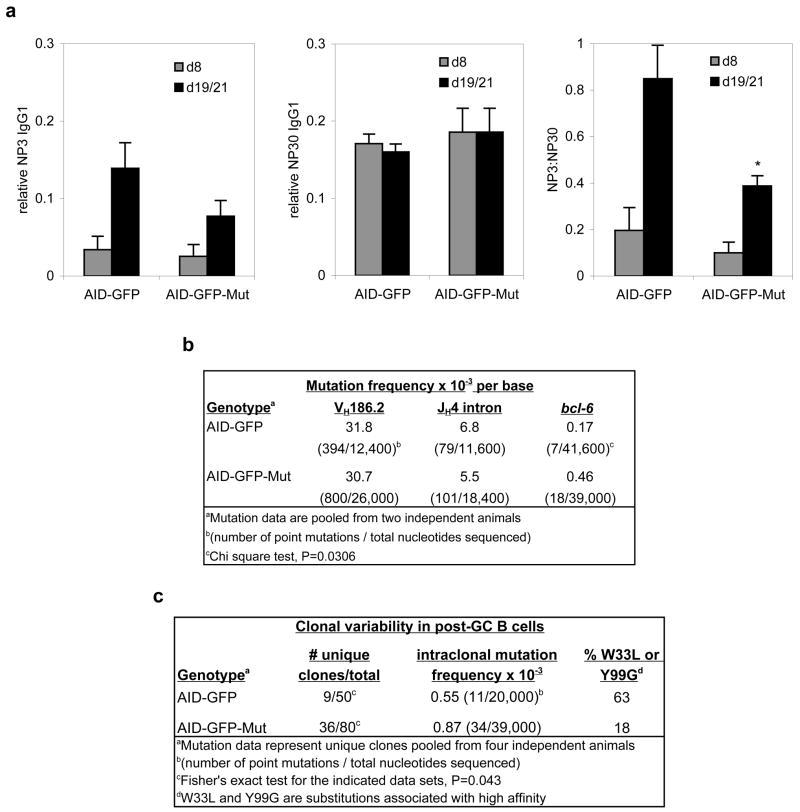
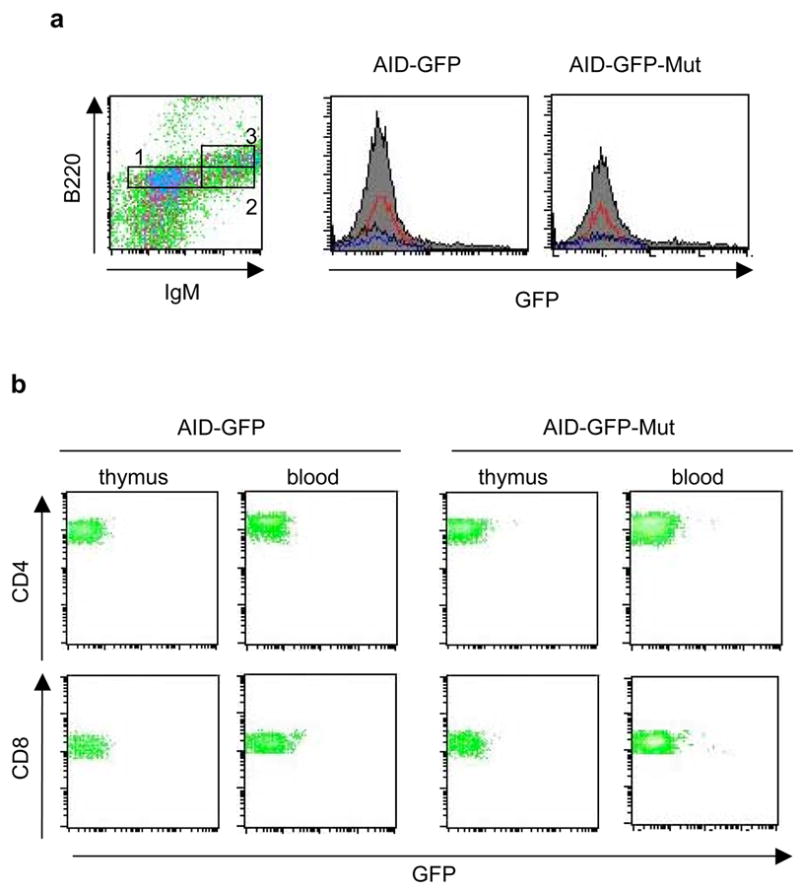
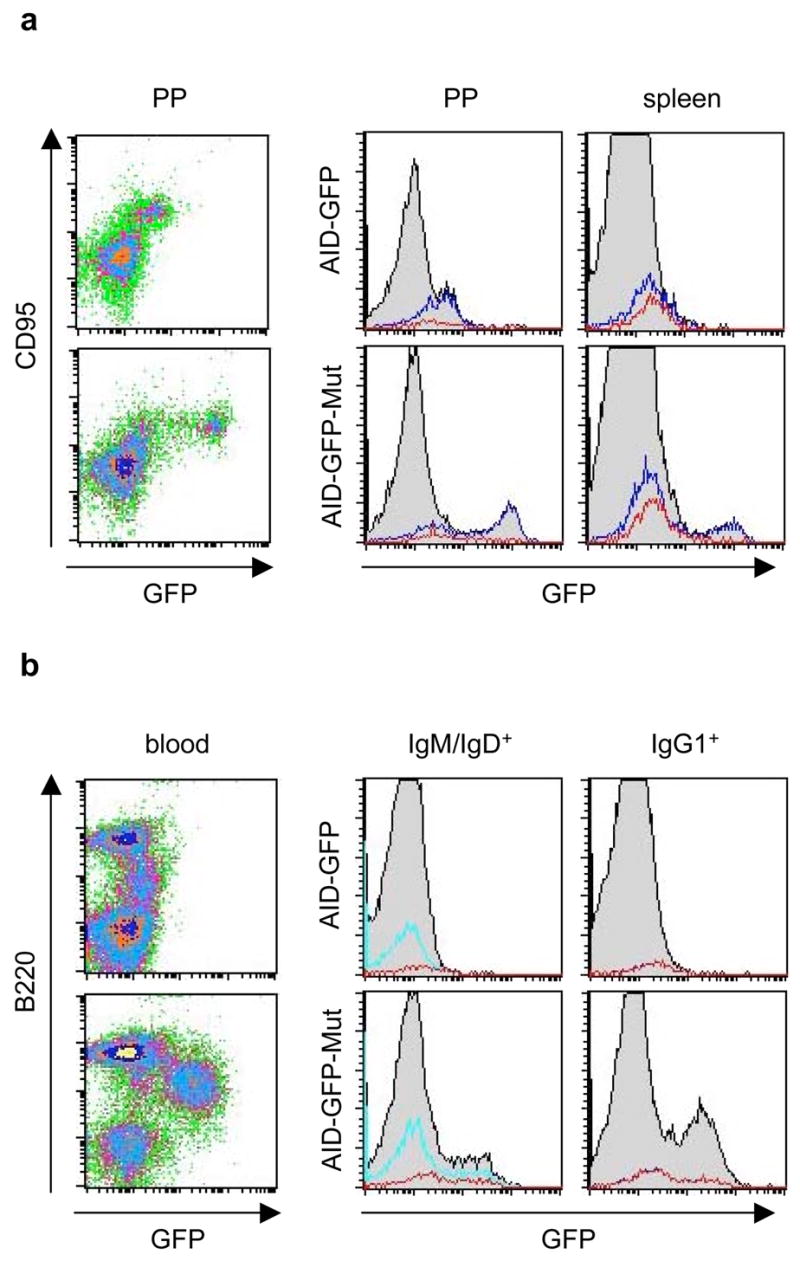
B lymphocytes perform somatic hypermutation and class-switch recombination (CSR) of the immunoglobulin locus to generate an antibody repertoire diverse in both affinity and function. These somatic diversification processes are catalyzed by activation-induced cytidine deaminase (AID), a potent DNA mutator whose expression and function are highly regulated. Here we show that AID was regulated posttranscriptionally by a lymphocyte-specific microRNA, miR-155. We found that miR-155 was upregulated in murine B lymphocytes undergoing CSR and that it targeted a conserved site in the 3'-untranslated region of the mRNA encoding AID. Disruption of this target site in vivo resulted in quantitative and temporal deregulation of AID expression, along with functional consequences for CSR and affinity maturation. Thus, miR-155, which has recently been shown to play important roles in regulating the germinal-center reaction, does so in part by directly downmodulating AID expression.
B淋巴细胞对免疫球蛋白基因座进行体细胞高频突变和类别转换重组(CSR),以产生在亲和力和功能上都具有多样性的抗体库。这些体细胞多样化过程由活化诱导的胞苷脱氨酶(AID)催化,AID是一种强大的DNA诱变剂,其表达和功能受到高度调控。在此我们表明,AID在转录后受到一种淋巴细胞特异性微小RNA即miR-155的调控。我们发现,miR-155在经历CSR的小鼠B淋巴细胞中上调,并且它靶向编码AID的mRNA的3'非翻译区中的一个保守位点。体内该靶位点的破坏导致AID表达在数量和时间上的失调,以及对CSR和亲和力成熟的功能影响。因此,最近已显示在调节生发中心反应中起重要作用的miR-155,部分是通过直接下调AID表达来实现这一点的。