Capraro Gerald A, Johnson John B, Kock Nancy D, Parks Griffith D
Department of Microbiology and Immunology, Wake Forest University School of Medicine, Medical Center Boulevard, Winston-Salem, NC 27157-1064, USA.
Virology. 2008 Jul 5;376(2):416-28. doi: 10.1016/j.virol.2008.03.034. Epub 2008 May 5.
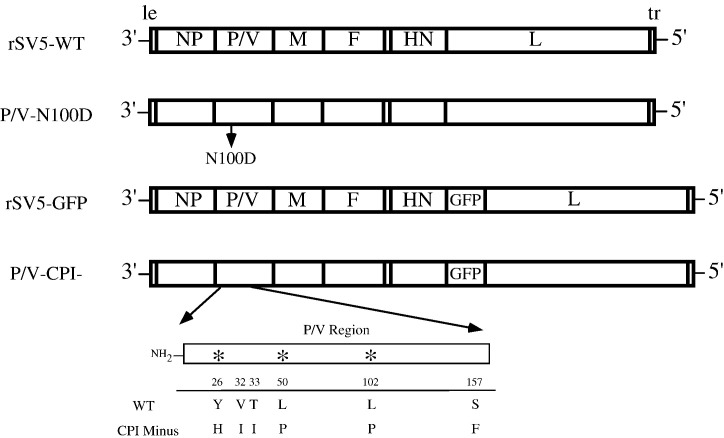
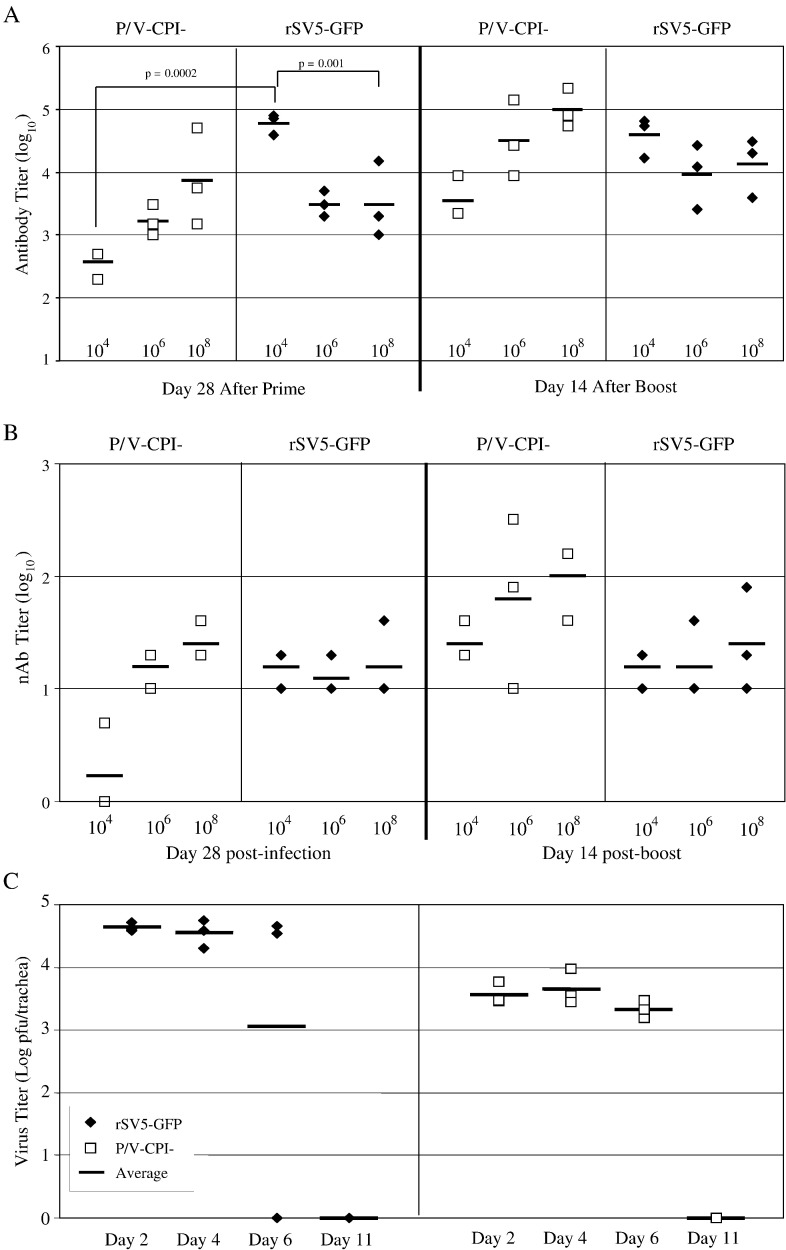
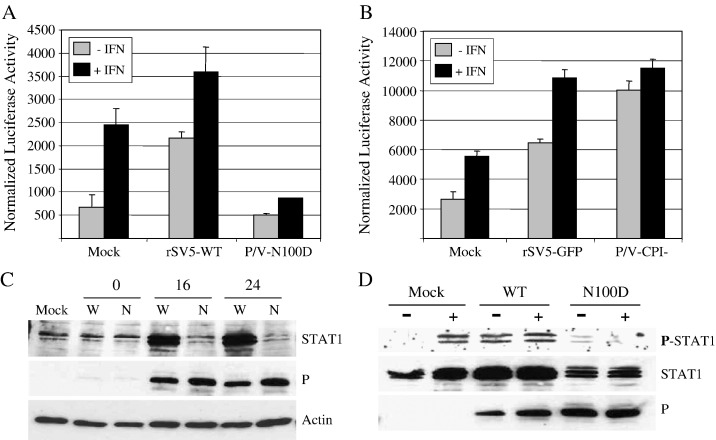
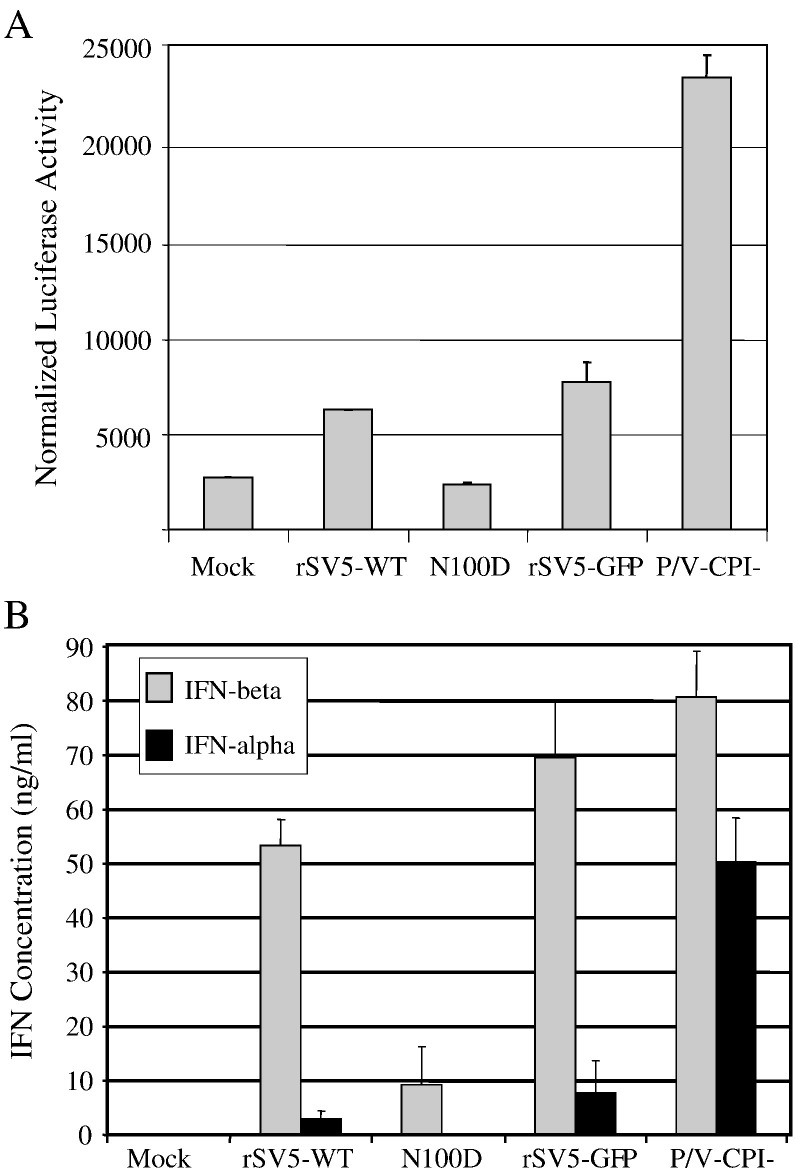
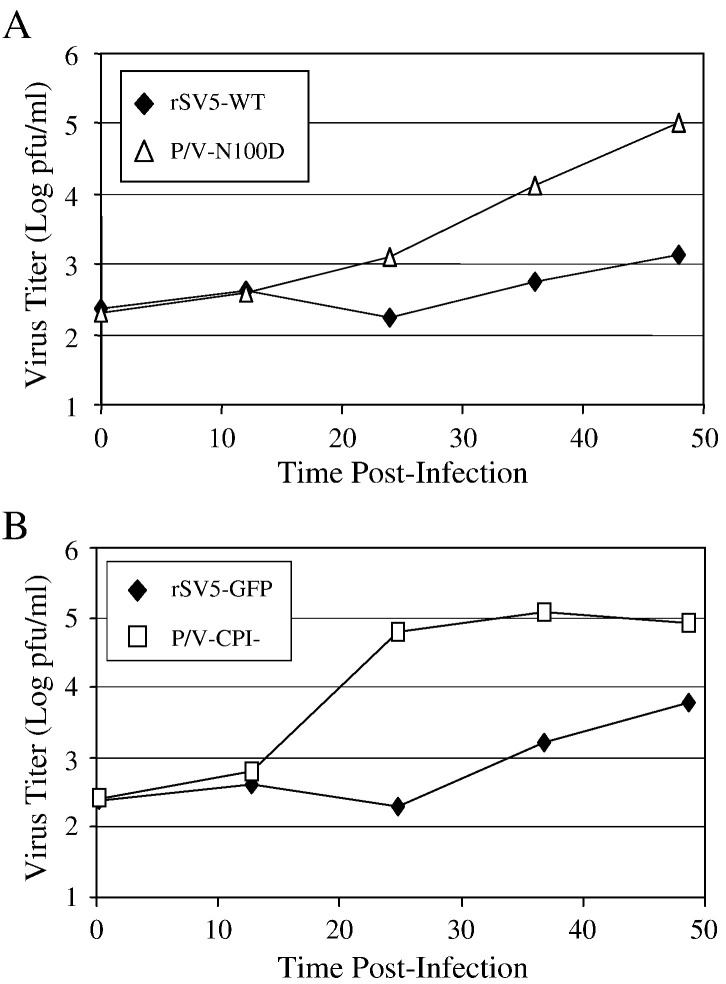
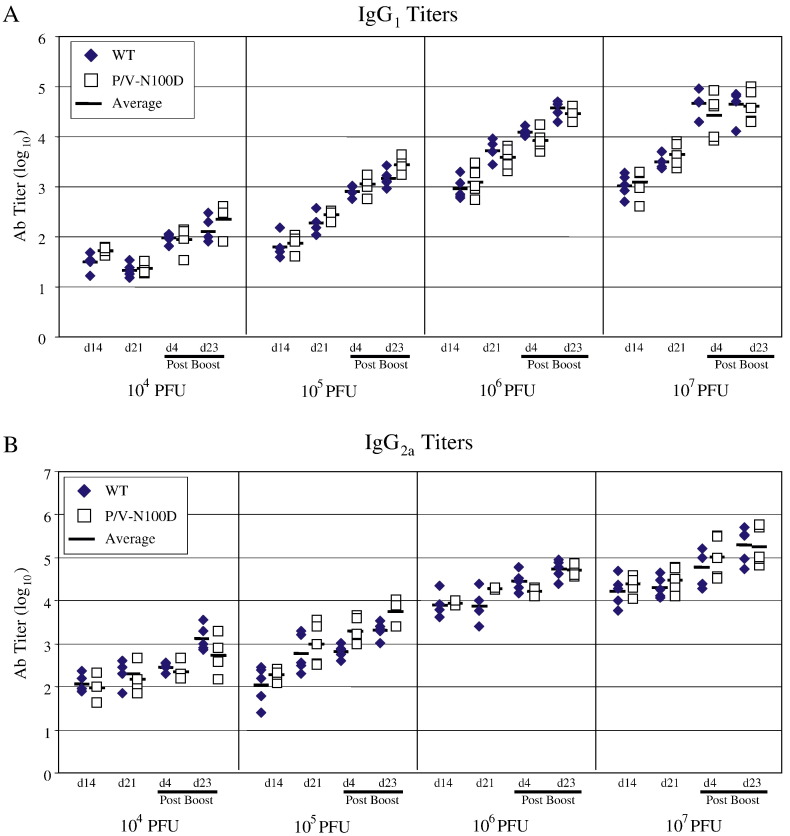
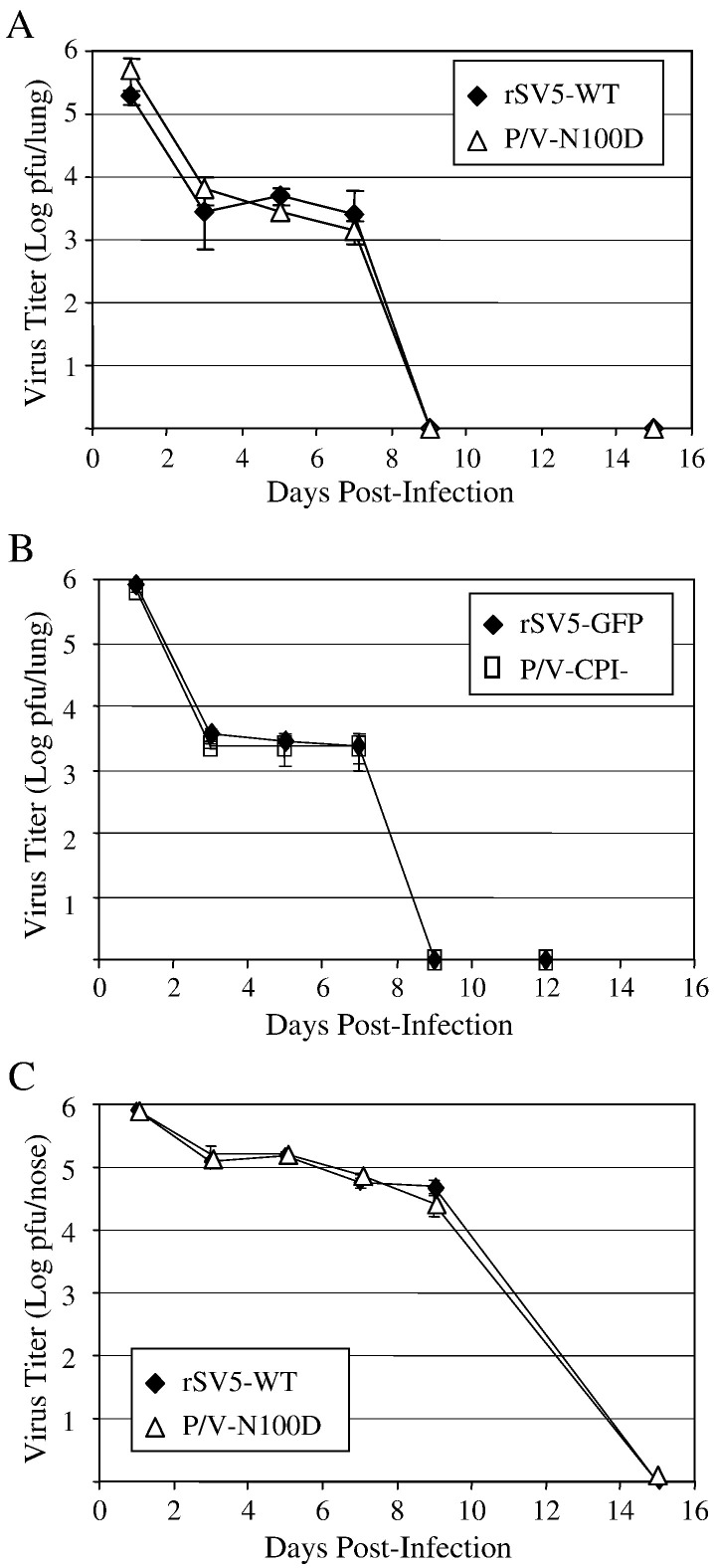
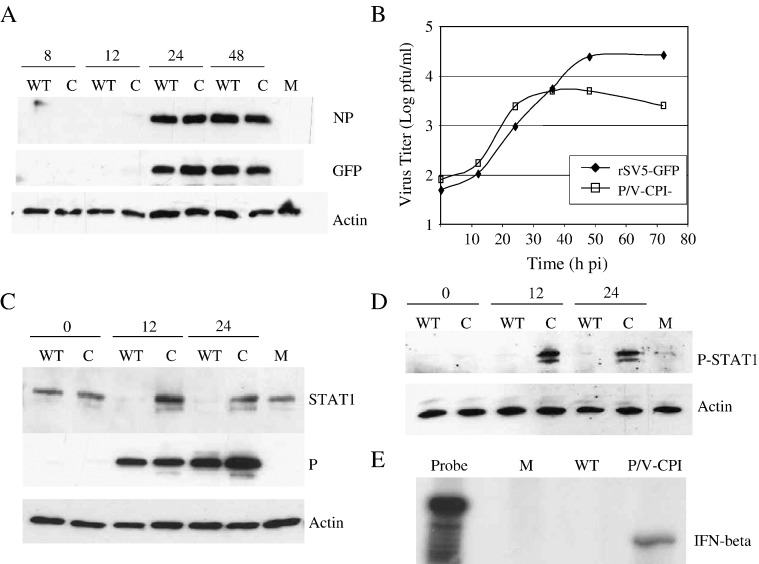
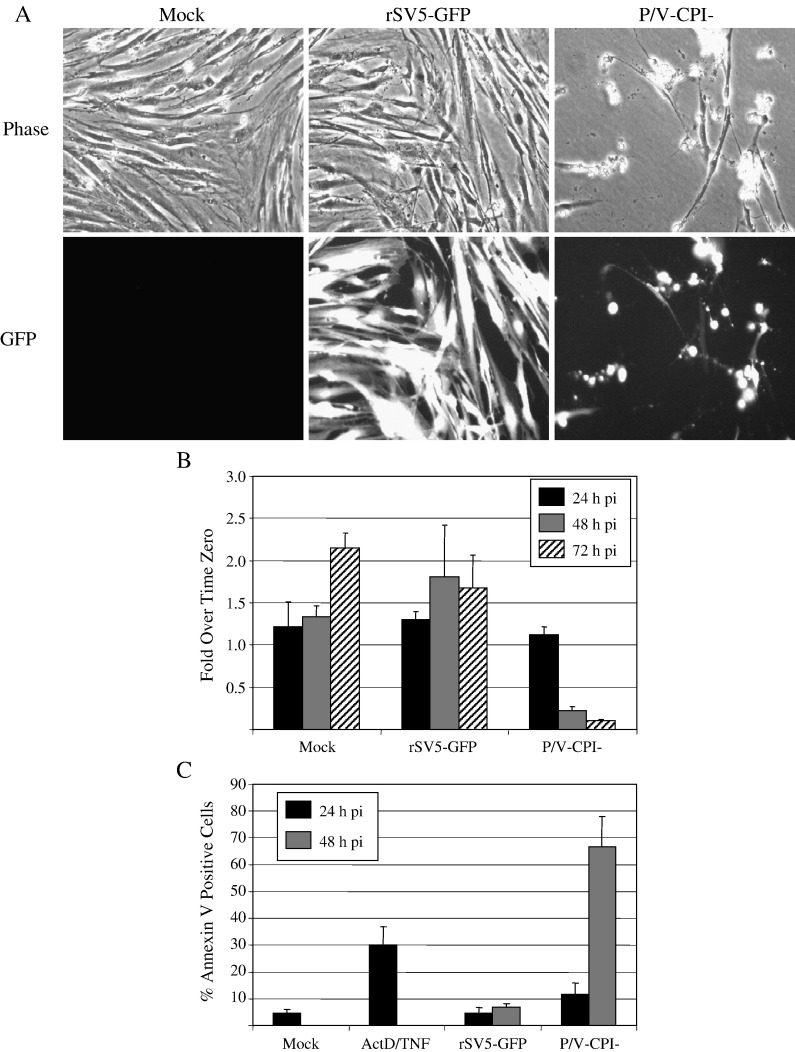
P/V gene substitutions convert the non-cytopathic paramyxovirus Simian Virus 5 (SV5), which is a poor inducer of host cell responses in human tissue culture cells, into a mutant (P/V-CPI-) that induces high levels of apoptosis, interferon (IFN)-beta, and proinflammatory cytokines. However, the effect of SV5-P/V gene mutations on virus growth and adaptive immune responses in animals has not been determined. Here, we used two distinct animal model systems to test the hypothesis that SV5-P/V mutants which are more potent activators of innate responses in tissue culture will also elicit higher antiviral antibody responses. In mouse cells, in vitro studies identified a panel of SV5-P/V mutants that ranged in their ability to limit IFN responses. Intranasal infection of mice with these WT and P/V mutant viruses elicited equivalent anti-SV5 IgG responses at all doses tested, and viral titers recovered from the respiratory tract were indistinguishable. In primary cultures of ferret lung fibroblasts, WT rSV5 and P/V-CPI- viruses had phenotypes similar to those established in human cell lines, including differential induction of IFN secretion, IFN signaling and apoptosis. Intranasal infection of ferrets with a low dose of WT rSV5 elicited approximately 500 fold higher anti-SV5 serum IgG responses compared to the P/V-CPI- mutant, and this correlated with overall higher viral titers for the WT virus in tracheal tissues. There was a dose-dependent increase in antibody response to infection of ferrets with P/V-CPI-, but not with WT rSV5. Together our data indicate that WT rSV5 and P/V mutants can elicit distinct innate and adaptive immunity phenotypes in the ferret animal model system, but not in the mouse system. We present a model for the effect of P/V gene substitutions on SV5 growth and immune responses in vivo.
P/V基因替换可将非细胞病变性副粘病毒猴病毒5型(SV5)转化为一种突变体(P/V-CPI-),SV5在人组织培养细胞中是宿主细胞反应的较弱诱导剂,而该突变体可诱导高水平的细胞凋亡、干扰素(IFN)-β和促炎细胞因子。然而,SV5-P/V基因突变对动物体内病毒生长和适应性免疫反应的影响尚未确定。在此,我们使用两种不同的动物模型系统来检验以下假设:在组织培养中作为先天性反应更有效激活剂的SV5-P/V突变体也将引发更高的抗病毒抗体反应。在小鼠细胞中,体外研究鉴定出一组SV5-P/V突变体,它们限制IFN反应的能力各不相同。用这些野生型和P/V突变病毒经鼻感染小鼠,在所有测试剂量下均引发了相当的抗SV5 IgG反应,并且从呼吸道回收的病毒滴度没有差异。在雪貂肺成纤维细胞原代培养物中,野生型rSV5和P/V-CPI-病毒具有与在人细胞系中所确立的表型相似的表型,包括IFN分泌、IFN信号传导和细胞凋亡的差异诱导。与P/V-CPI-突变体相比,用低剂量野生型rSV5经鼻感染雪貂引发的抗SV5血清IgG反应高约500倍,这与气管组织中野生型病毒的总体较高病毒滴度相关。雪貂感染P/V-CPI-后抗体反应呈剂量依赖性增加,但感染野生型rSV5后则不然。我们的数据共同表明,野生型rSV5和P/V突变体在雪貂动物模型系统中可引发不同的先天性和适应性免疫表型,但在小鼠系统中则不然。我们提出了一个P/V基因替换对体内SV5生长和免疫反应影响的模型。